Wet Carpet & Water Damage
Wet Carpet? Dry it fast, save it
Soaked carpet is a race against the clock: dried within 24–48 hours it's usually saved, left longer it grows mold and takes the pad and subfloor down with it. Here's how to dry wet carpet fast, whether yours can be saved or replaced, and what's really going on underneath. We connect you with crews dispatching 24/7 across the US.
No obligation · Insurance-friendly · Independent licensed & insured local companies
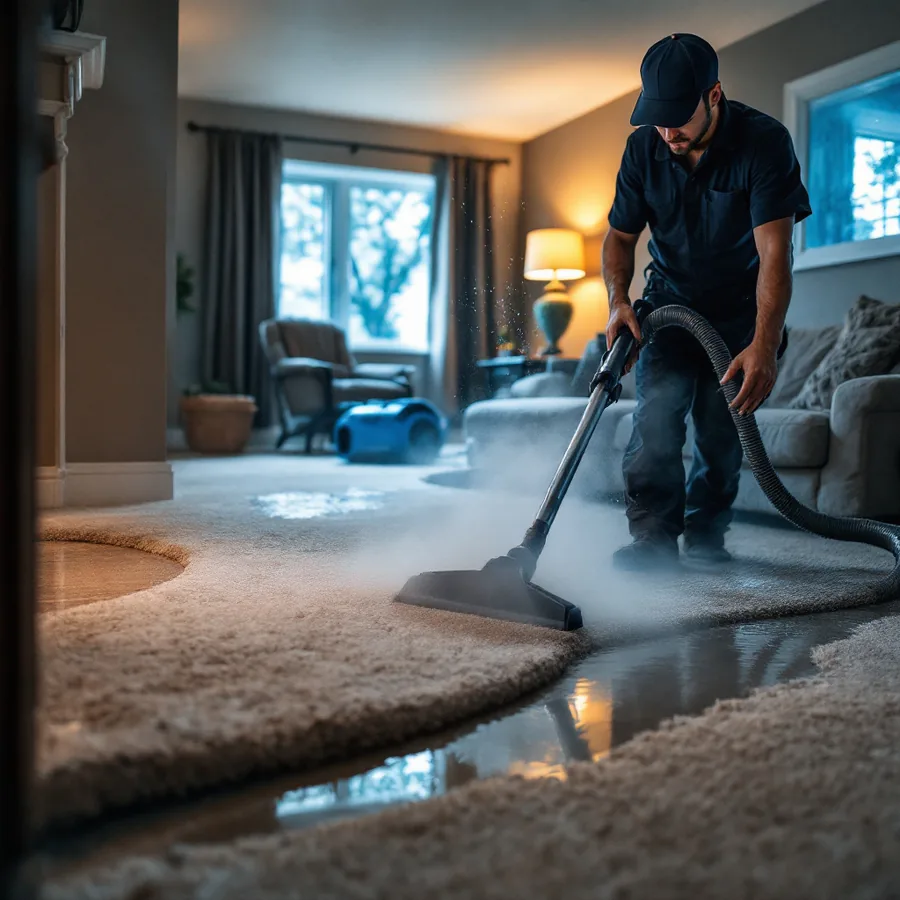 The pad underneath holds the water
before mold starts
Clean water dried fast is a save; dirty water or a slow response is a replace. If a large area is soaked or the water was contaminated, call us before it spreads. New to us? See how we work.
The First Question
Can wet carpet be saved?
Usually yes, but it depends on two things: how dirty the water was, and how fast you act. This is how the decision goes:
Save it, clean water, dried fast
Clean water (a supply line, rain, a burst pipe) extracted and dried within 24–48 hours: the carpet is almost always saved. The pad underneath is often replaced.
Maybe, grey water
Slightly dirty water from an appliance or washer: the carpet can sometimes be cleaned, sanitized and saved if handled quickly, but the pad goes.
Replace it, black water or too late
Carpet soaked by sewage or flood water, or left wet for days until it smells or delaminates, is replaced, for health and mold reasons, not just looks.
The hard rule: the dirtier the water and the longer it sits, the more likely it's a replace. Speed is the single thing that keeps carpet in the "save" column.
Do It Right
How to dry wet carpet fast
Surface-drying isn't drying, the water is in the pad and subfloor. Work in order, and move air, don't just point a fan.
1. Stop the water
Fix or shut off whatever caused it, a leak, appliance or spill. There's no point drying carpet while water is still coming in.
2. Extract standing water
Pull out as much water as possible with a wet/dry vac, or far better, a professional carpet extractor. The more you remove now, the less damage later.
3. Lift & check the pad
Peel the carpet back at a corner to check the pad and subfloor. The pad soaks up water like a sponge and usually can't be dried in place.
4. Move air across it
Run air movers over and under the carpet and add a dehumidifier. Airflow plus dehumidification dries it, fans alone leave hidden moisture.
5. Dry subfloor & treat
Confirm the subfloor underneath is dry, then apply an antimicrobial to stop mold and musty smell before the carpet is re-laid.
6. Reinstall or replace
Saved carpet is re-stretched over new pad; contaminated or too-far-gone carpet is replaced. Call a pro for a large area or dirty water.
The Hidden Half
The pad and subfloor underneath
The carpet you see is the top layer of a three-part system , carpet, pad and subfloor, and the water hides in the two you can't see. That's why "the carpet feels dry" is not the same as dry.
The pad (underlay)
The foam or rubber pad holds water like a sponge and rarely dries reliably in place. On most water jobs it's pulled and replaced, cheaper and faster than fighting to dry it.
The subfloor
Water passes through carpet and pad into the subfloor. A wet wood subfloor can warp, swell or grow mold, so proper drying checks moisture there, not just at the surface.
Tack strips
The wood tack strips that hold the carpet edges can soak and rot, and are replaced when the pad is, they're what the re-stretched carpet grips onto.
Delamination
When carpet stays wet too long, the backing separates from the fibers, delamination. Once it delaminates, the carpet is done and gets replaced.
The musty smell
A lingering musty odor almost always means the pad or subfloor was never fully dried. It's a moisture problem, not a deodorizer problem.
Why fans aren't enough
A household fan moves surface air but can't pull moisture from deep in the pad and subfloor. That takes commercial air movers and a dehumidifier working together.
Why It Happened
Why is my carpet wet?
Finding the source matters, both to stop the water and to know whether it's clean or contaminated, which decides save versus replace.
A leak or burst pipe
A burst or leaking pipe in a wall or floor is the classic cause, clean water, usually saveable if caught fast.
An appliance
A washing machine, water heater or dishwasher that overflowed or failed near carpeted rooms.
A roof or window leak
Rain from a roof leak or a leaking window runs down walls and pools in the carpet along the edges.
Flooding
Storm or ground flood water, this is contaminated Category 3 water, so the carpet is almost always replaced.
A sewage backup
A sewage backup is black water, never dried and re-laid; the carpet and pad are removed and the area disinfected.
Condensation & humidity
Chronic dampness from humidity or a slab that sweats keeps carpet damp along cold walls, quietly feeding mold over time.
The Clock
Wet carpet and mold, the 24–48 hour rule
Damp carpet and pad are ideal for mold, which can begin within 24 to 48 hours. That single window is why drying speed decides everything.
- It starts in the pad. The pad stays wet longest and hides the growth, so mold often takes hold underneath before the surface even looks damp.
- It spreads to the subfloor. From the pad it moves into the subfloor and up into walls, turning a carpet-drying job into a remediation one.
- Speed is the only real prevention. Extract and dry within the window and mold rarely gets started; miss it, and drying alone may no longer be enough.
"Dry to the touch" isn't dry
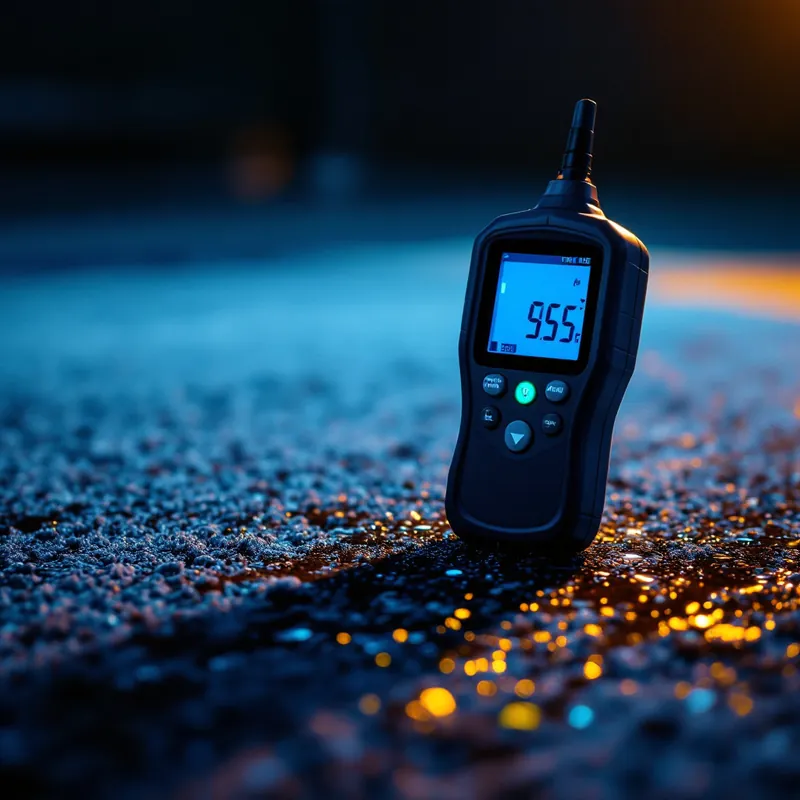
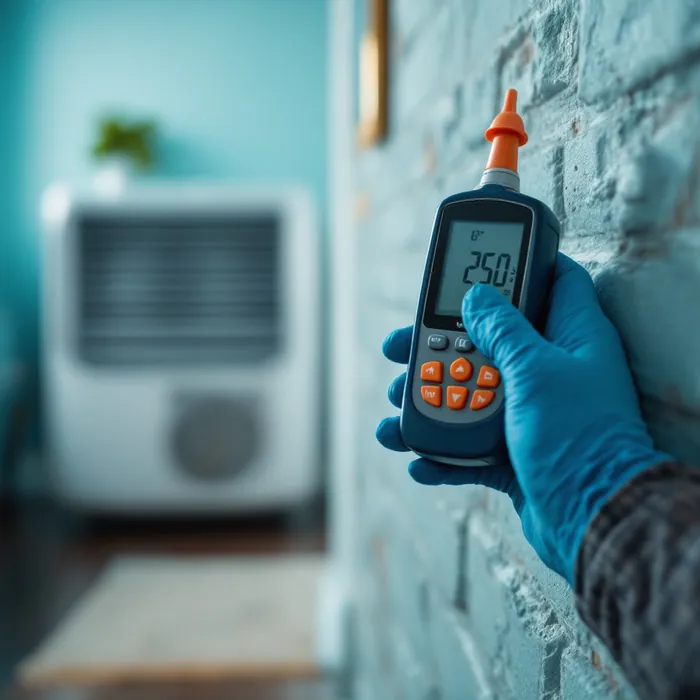
Carpet can feel dry on top while the pad and subfloor are still saturated. Professional drying uses moisture meters to confirm all three layers are dry, the difference between stopping mold and hiding it.
Get it checked freeDIY Or Call?
When to dry it yourself vs. Call a pro
A small clean-water spill you can handle. Past a certain point, the cost of getting it wrong , mold, a ruined subfloor, is far higher than the drying.
DIY can work when
It's a small area, clean water, caught within hours, and you can extract, lift the pad and run real air movers and a dehumidifier, not just a box fan.
Call a pro when
The area is large, the water was grey or black, it sat overnight, it already smells, or you can't check the subfloor. Hidden moisture is what turns into an expensive mold job.
What a pro does differently
Truck-mounted extraction, commercial air movers and dehumidifiers, moisture-meter verification of all three layers, and antimicrobial treatment, documented for your insurance claim.
Free Instant Tool
Can my wet carpet be saved? Instant checker
Tell us what kind of water soaked the carpet and how long it's been wet, and get an instant read on whether the carpet is a save or a replace, what happens to the pad, and your mold risk. It's a fast orientation while you call, not a quote or a coverage promise, your policy and situation decide.
What It Costs
Wet carpet drying & replacement cost
Drying and saving carpet is almost always cheaper than replacing it, which is the whole reason to act fast. The cost tracks how far the water spread and whether it can be saved.
Dry & save
Extraction, new pad and a few days of drying, the least expensive path, and the one fast action keeps you on.
Replace
New carpet, pad and sometimes subfloor repair when the water was contaminated or it sat too long. Far more than a dry-out.
The mold surcharge
Wait too long and mold adds containment and remediation on top, see the full cost guide.
How It's Dried
Wet carpet, from the soak to the save
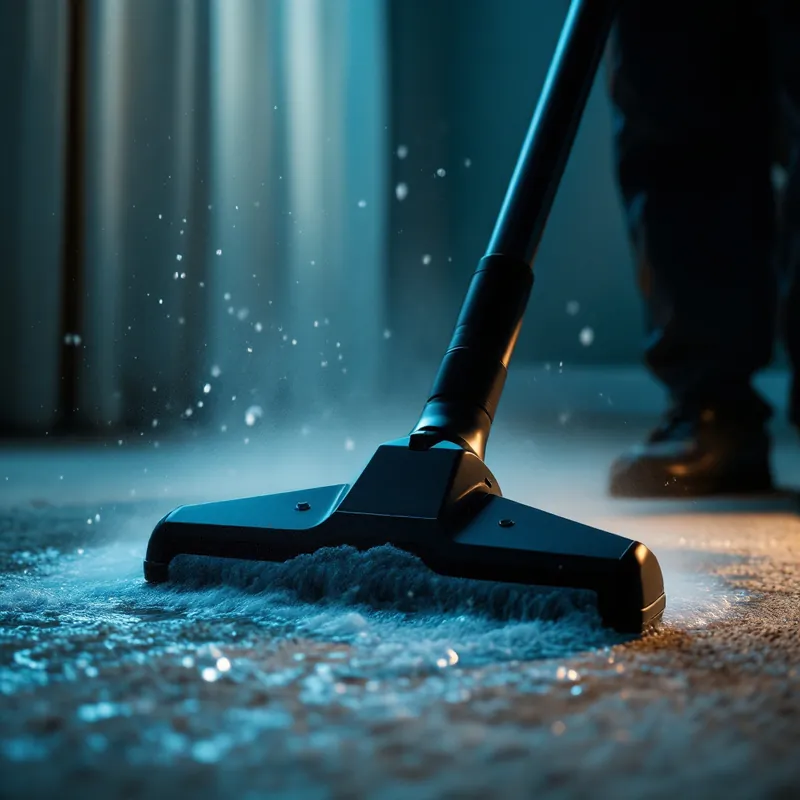
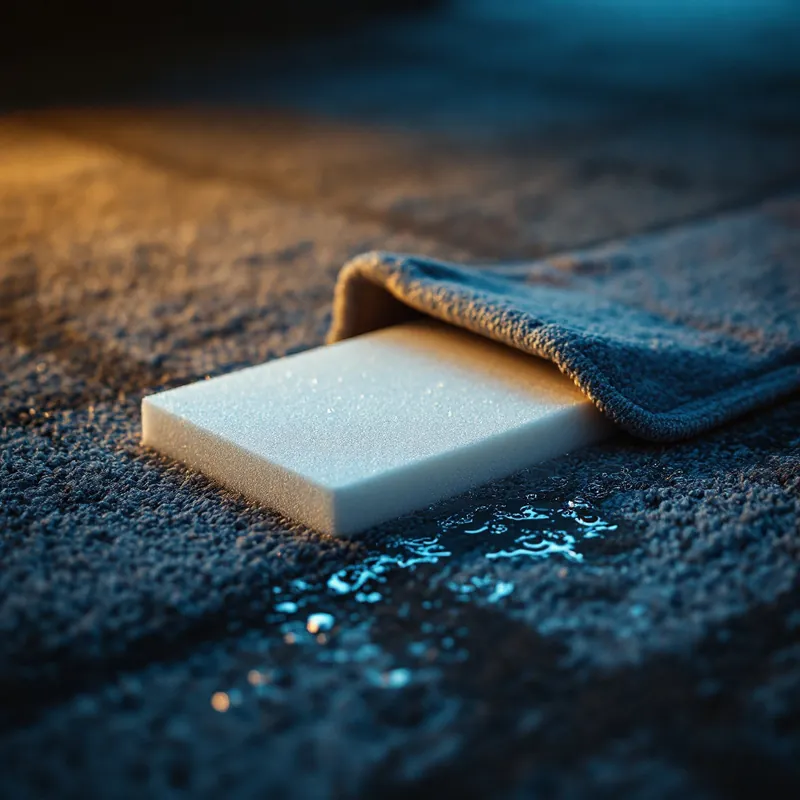
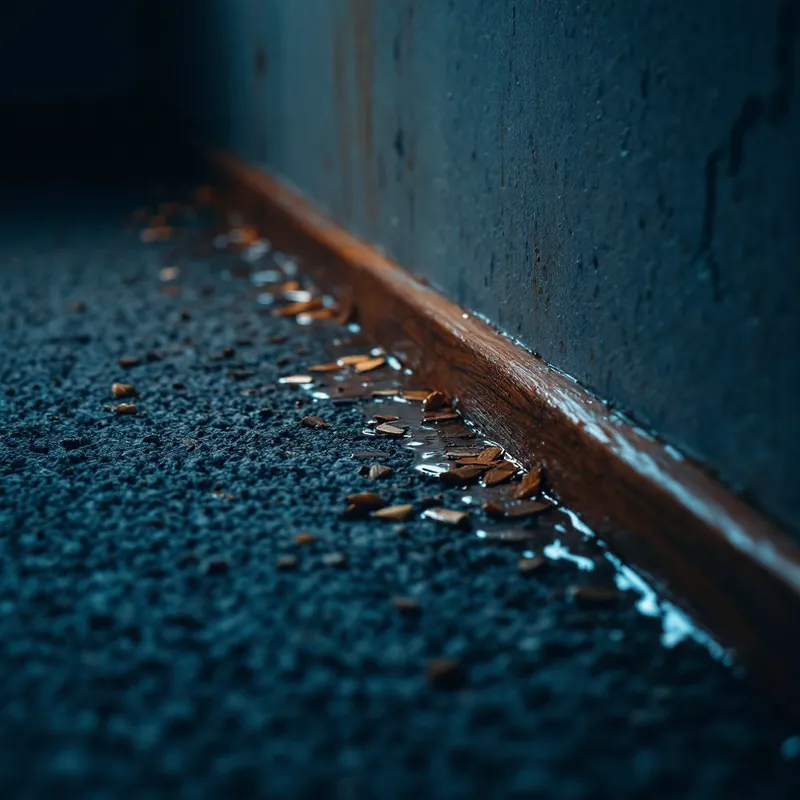
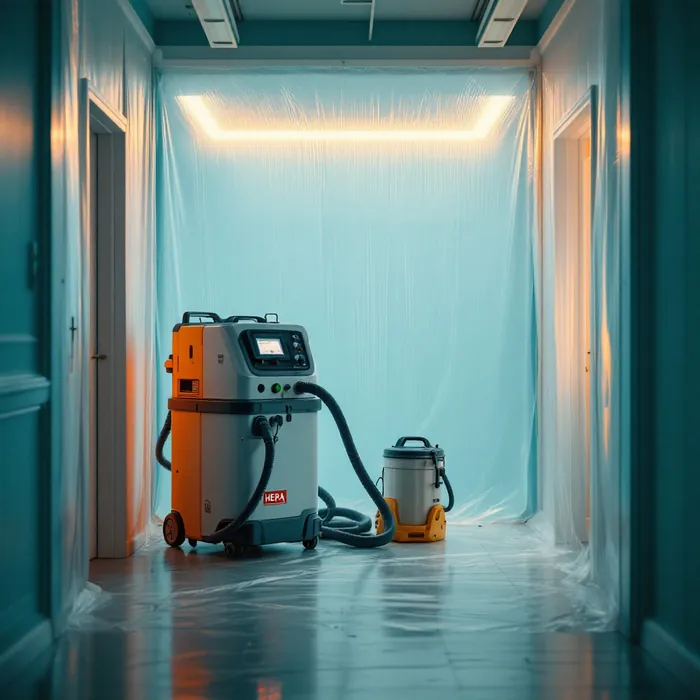
Drying all three layers , carpet, pad and subfloor, takes commercial gear a household fan can't match. This is what a crew brings to save your carpet.





FAQ
Wet carpet questions, answered
Can wet carpet be saved?
Often, if it's clean water and it's dried within about 24 to 48 hours. The carpet itself is usually salvageable; the pad underneath frequently is not and gets replaced. Carpet soaked by contaminated grey or black water, or left wet for days, is generally replaced for health and mold reasons.
How do I dry wet carpet fast?
Stop the water, extract as much as possible with a wet/dry vac or professional extractor, lift the carpet to check the pad, then run air movers over and under it with a dehumidifier. Airflow plus dehumidification dries it; fans alone leave hidden moisture that turns into mold.
Does wet carpet always need to be replaced?
No. Clean-water carpet dried quickly is usually saved, though the pad is often replaced. Replacement is needed when the water was contaminated (sewage or flood water), when it sat long enough to grow mold or delaminate, or when the backing has come apart.
How long before wet carpet grows mold?
Mold can begin in as little as 24 to 48 hours in damp carpet and pad. That window is why fast extraction and drying matter so much, past it, the carpet, pad and even the subfloor can become a mold problem rather than a drying job.
Should I replace the carpet pad after water damage?
Usually yes. The pad is porous and holds water like a sponge, and it can't be dried reliably in place. On most water-damage jobs the pad is removed and replaced while the carpet itself is dried and re-laid, which is faster and cheaper than replacing everything.
Is water under the carpet damaging the subfloor?
It can be. Water passes through the carpet and pad into the subfloor, and a wet subfloor , especially wood, can warp, swell or grow mold if it isn't dried. That's why proper drying checks moisture in the subfloor, not just the carpet surface.
Why does my carpet smell musty after getting wet?
A musty smell means moisture and microbial growth are still present, usually in the pad or subfloor that was never fully dried. Surface-drying the carpet without drying underneath is the most common cause. It needs proper drying and antimicrobial treatment, not just deodorizer.
Sources & Standards
Drying and the decision to salvage or replace follow the IICRC S500 Standard for Professional Water Damage Restoration. Guidance on discarding flood- and sewage-soaked carpet and preventing mold references the US EPA and CDC, whose flood-cleanup advice is to remove carpet and pad that can't be dried within 24–48 hours. Flood-water safety and when to discard soaked materials also reflect CDC flood cleanup, Ready.gov floods and NWS flood safety. See our editorial standards.
Keep Reading
Related water damage help
Water mitigation
The fast extraction and drying that saves carpet, pad and subfloor.
Mold remediation
What to do when wet carpet has already grown mold underneath.
Burst pipe
A top cause of soaked carpet, what to do the moment it happens.
Flood damage
Why flood-soaked carpet is Category 3 and gets replaced, not dried.
Restoration cost guide
What drying or replacing water-damaged carpet costs in 2026.
Water damage restoration
Our full 24/7 emergency water removal, drying and repair service.
Every hour wet carpet sits is a step closer to replace
Get it extracted and dried now
Stop the water, then call. A certified crew extracts, dries all three layers and checks the subfloor, on call 24/7 across the US.
Call (888) 217-7423Why the first call matters
The first-hour match — water damage is priced by the hour it sat, not by the hour you called
Standing water stops being the problem within a day. What it leaves behind — saturated drywall, wet insulation, a subfloor that keeps giving moisture back into the room — is what the invoice is actually made of, and it grows while the house looks calm.
That is not a failure of homeowners who waited. It is how the trade is arranged: you call a company, it comes when its schedule allows, and the clock keeps running in between. Our line is open every day of the year, and the call reaches an independent licensed and insured restoration company that covers your area now rather than tomorrow. We do not do the work ourselves — we are paid for the introduction, which is set out in how we make money.
Two things decide what this costs, and both are settled in the first hours. Moisture readings and photographs taken before anything is torn out are what an adjuster later accepts or disputes, and mold needs only a day or two of damp material to start. Neither waits for an appointment. And if the water came from outside — a river, a storm surge, groundwater — say so on the call. That is flood, a separate policy that a homeowners policy does not cover, and you should hear it from us before anyone arrives rather than after.