Texas · Statewide · 24/7
Water Damage Restoration in Texas from the coast to the Hill Country
No state floods more ways than Texas, Gulf hurricanes, the flash floods of the Balcones "Flash Flood Alley," North Texas hail, and the statewide freeze that bursts pipes. Texas recorded more flood deaths than any other state from 1959 to 2019. Whatever got in, mold can start within 24 to 48 hours, so we connect you with independent restoration crews across Texas 24/7.
No obligation · Insurance-friendly · Independent licensed & insured local companies
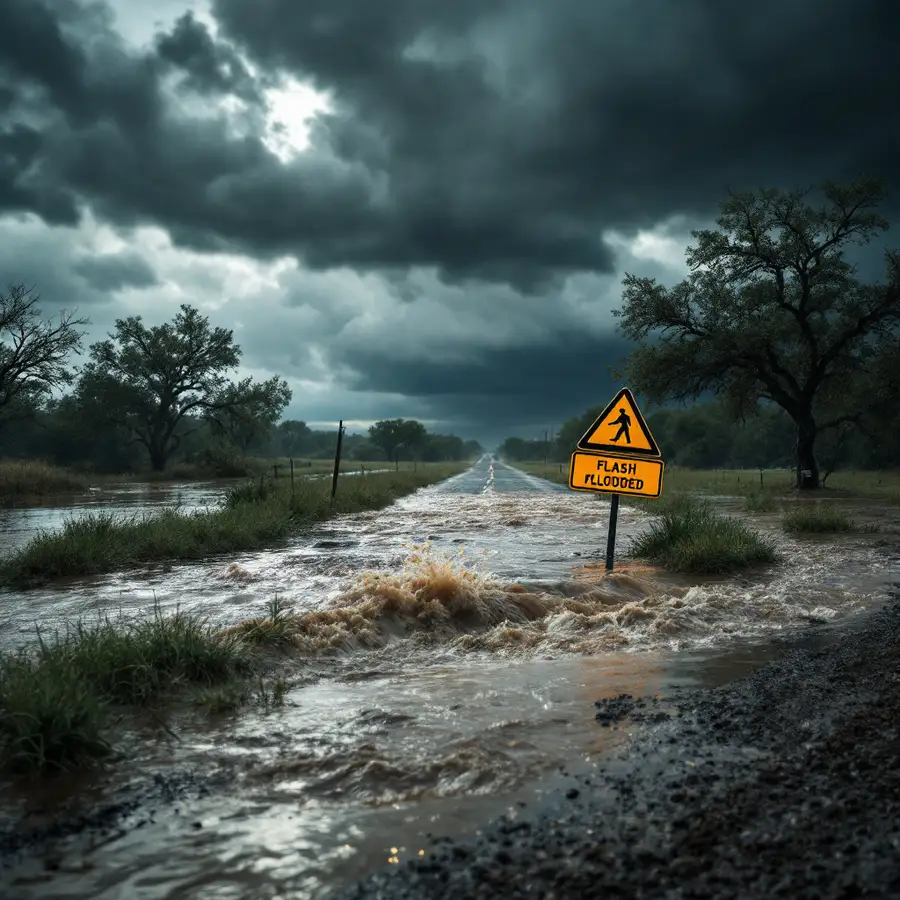 Flash flooding in the Texas Hill Country
every day of the year
Texas recorded 1,069 flood deaths from 1959 to 2019, the most of any state (peer-reviewed analysis in Water, 2021). If water is in your home now, call us and stay out of it until the power is off. New here? See how we work and how we review.
One State, Five Water Risks
The ways water gets into a Texas home
Texas is really several climates at once, and each one floods homes differently. Knowing your region's dominant risk tells you the water type, the season to watch, and which of three insurance policies has to be in place first.
Gulf Coast hurricanes & surge
From Houston to Corpus Christi, tropical storms bring feet of rain and storm surge. Hurricane Harvey damaged more than 200,000 homes; Houston and the coast carry the highest flood exposure in the state.
Flash Flood Alley
Along the Balcones Escarpment , San Antonio, Austin, Waco toward Dallas, Gulf moisture, sharp terrain and thin limestone soils make creeks rise from inches to 20+ feet in hours. The NWS calls it one of the most flash-flood-prone regions in the country.
North Texas hail & storms
The DFW metroplex sits in the nation's most hail-active corridor. Hail and wind breach roofs in spring, and wind-driven rain and roof leaks flood ceilings and walls below.
Statewide winter freeze
Texas plumbing isn't built for hard freezes. In February 2021, Winter Storm Uri burst pipes across the state and became the costliest insured loss in Texas history, one burst pipe or frozen line floods a home fast.
The east–west rain gradient
Texas rainfall runs from about 59 inches a year in the humid east to under 8 inches in El Paso. The wetter east and Gulf drive humidity mold; the arid west floods in sudden, intense downpours on hard ground.
Rivers, sewers & the everyday
Beyond the headline storms, the ordinary causes flood Texas homes too, appliance and water-heater failures, sewer backups, and river flooding along the Trinity, Guadalupe, Colorado and Brazos.
Sources: NWS West Gulf River Forecast Center, NOAA (Harvey), Texas Dept. Of Insurance (Uri), Texas State University Meadows Center (rainfall).
Free Instant Tool
Texas region water-risk selector
Pick your part of Texas to see the water risk that dominates there, the season to watch, and which insurance policy has to be in place before it hits. It's a quick orientation, not a quote or a coverage promise.
Your region at a glance
,
Call (888) 217-7423When It Happens
The Texas water-damage calendar
Texas water risk moves with the seasons. This is roughly when each threat peaks, and the coverage worth checking before it does.
| Season | Dominant threat | Where | Coverage to check |
|---|---|---|---|
| Dec – Feb | Hard freeze & burst pipes | Statewide | Homeowners |
| Mar – Jun | Hail & severe storms | DFW & North Texas | Homeowners (wind/hail) |
| Spring & Fall | Flash flooding | Hill Country / Flash Flood Alley | NFIP flood |
| Jun – Nov | Hurricanes & storm surge | Gulf Coast | NFIP flood + TWIA |
| Year-round | Pipe, appliance & sewer failures | Every home | Homeowners (+ backup rider) |
Peaks are typical, not guarantees. Texas storms don't read calendars. The takeaway: flood and windstorm coverage must be bought before the season, not during it.
Clean, Grey or Black
Which category each Texas risk produces
The IICRC S500 category decides method and cost. In Texas the category is largely a function of geography: the coast and the Hill Country produce contaminated water, the freeze produces clean water, and the hail belt sits in between.
Category 1, the freeze
Burst supply lines put clean water into the structure under pressure. Dried in place if reached quickly; it degrades to Category 2 after a day or two, faster in humid East Texas than in the arid west.
Category 2, storm rain & appliances
Rain through a hail-opened roof, condensate overflow and appliance failures land here. Porous materials often come out, but the structure itself is usually dried rather than demolished.
Category 3, flood & surge
Gulf surge, flash-flood water and sewer backups are contaminated from the first minute. Materials are removed and surfaces disinfected. Note the split inside this category: rising flood water is excluded from every standard homeowners policy, while a sewer backup is usually payable — but only if you carry the water-backup rider.
Same Standard, Different Job
Why the same water job runs differently across Texas
Every crew works to the same IICRC standard, but what arrives at the door changes with the region, and so does how long drying takes and which policy is in play. This is the part a single-city page can't show you.
Gulf Coast
Contaminated flood water at volume, whole-home losses, mould pressure from day one in the humidity. Extraction capacity and disinfection dominate; NFIP decides who pays. See Houston.
Flash Flood Alley
Water arrives fast and leaves fast, creeks rise and drop within hours. The loss is often a single storey of silt-laden Category 3 water, and the window to reach the property can be the real constraint.
North Texas
The water usually follows hail or wind opening the roof, so the job pairs drying with roof work and the claim is a homeowners wind/hail claim rather than a flood one.
Winter freeze, statewide
Clean water under pressure, often into an empty house, the volume depends on how long the line ran before anyone shut the main. Demand spikes statewide within the same 48 hours, which is what makes freezes hard to staff.
Arid west
Sudden downpours on hard ground and, in winter, the same burst-pipe risk with fewer crews within reach, response time, not equipment, is the limiting factor.
The mechanics of extraction and structural drying are the same everywhere, those are covered under water extraction and mitigation and drying.
Who Pays in Texas
Flood, windstorm or homeowners, which one covers you
Texas splits water coverage across three separate policies, each tied to how the water got in. Getting this right before a storm is the difference between a covered loss and paying out of pocket.
Homeowners (TDI-regulated)
Covers sudden, accidental internal water, a burst pipe, a failed water heater, or wind-driven rain through a storm-damaged roof. It excludes flooding and rising water. TDI explains the split.
NFIP flood (FEMA)
The only policy that pays for rising water, hurricane rain, flash floods, river overflow, storm surge. Separate, with a 30-day waiting period — waived if the policy is bought at a mortgage closing. See the Texas Water Development Board and FloodSmart.
TWIA windstorm
Along the coast, the Texas Windstorm Insurance Association covers wind and hail for eligible first-tier counties. It covers wind, not flood, surge still needs NFIP.
Because the cause decides the payout, documentation is everything, crews photograph the source, the level and the readings for your claim.
Get documented helpWhat It Costs
What water damage restoration costs in Texas
There's no single price, the water category, how much of the home is wet, and how long it sat drive the number. A clean burst-pipe dry-out is modest; a contaminated whole-home flood is one of the largest losses a home can take. For dollar ranges, see our water damage cost guide.
Clean water, caught fast
A burst pipe or appliance leak extracted and dried the same day, the least expensive path.
Storm & roof damage
Hail or wind opening the roof adds ceiling and cavity drying, plus the roof repair itself, common across North Texas.
Where We Dispatch
Texas metros we serve
We send 24/7 crews across Texas. Each metro has its own dominant water risk, here's how the biggest compare, with dedicated pages rolling out city by city.
| Metro | Dominant water risk | Coverage that matters |
|---|---|---|
| Houston | Hurricanes, bayou flooding, slab leaks | NFIP + homeowners (TWIA only east of Hwy 146) |
| Dallas–Fort Worth | Hail & severe storms → roof breach | Homeowners (wind/hail) |
| San Antonio | Flash flooding (Balcones edge) | NFIP flood |
| Austin | Flash flooding (Flash Flood Alley core) | NFIP flood |
| Fort Worth | Hail, wind & Trinity flooding | Homeowners + NFIP |
Water Damage Restoration in Houston →
Our most detailed metro guide: bayou and reservoir flooding, gumbo-clay slab leaks, the "you don't have to be in a floodplain" reality after Harvey, and the coverage checker for NFIP vs TWIA vs homeowners.
Where the Money Actually Went
$17.4 billion paid in Texas, and half of it in one county
Flood risk in Texas is usually described in words. It is more useful as money: we summed every NFIP claim on record in the state, then broke it down by county.
The concentration is the story
Harris County alone accounts for $8.76 billion, just over half of everything NFIP has paid in Texas, from 170,843 of the state's 394,152 claims. That is why coastal advice travels badly inland: a homeowner in Houston is weighing a risk the program has already priced in billions, while inland metros face the same flash-flood water on a fraction of the claim history. The average paid claim is also higher on the coast, $62,536 in Harris against $55,149 statewide.
Counted by us straight out of the federal OpenFEMA claims release (NfipClaims v3): every Texas record, building plus contents plus ICC. Roughly one claim in five here closes with nothing paid, so the per-claim figures above cover settled claims only. Losses your homeowners policy handles never enter this file at all. FEMA last republished it 4 August 2026.
Do These First
First steps after Texas water damage
The clock that matters is the mold clock. Work through these in order, safety first, then get the water moving out.
1. Make it safe
Don't enter standing water until the power is off, it can be electrified. After a freeze, treat water-heavy ceilings as a collapse risk.
2. Stop the source
Shut the main valve for a pipe or slab leak. For flooding from outside, the water keeps coming until it drains and is pumped.
3. Document the cause
Photograph the level, the source and damaged belongings before anything moves, in Texas the cause decides whether homeowners, NFIP or TWIA pays.
4. Call for extraction
Fast extraction and drying limits the damage and the mold that follows, same-day, statewide dispatch.
5. Don't run flooded HVAC
If flood water reached the ducts or air handler, running the system spreads contamination and spores, have it checked first.
6. Save valuables safely
Move documents and electronics up and out of the water, but never reach into water near outlets or a submerged panel.
What It Really Involves
Texas water damage, from the water to the fix
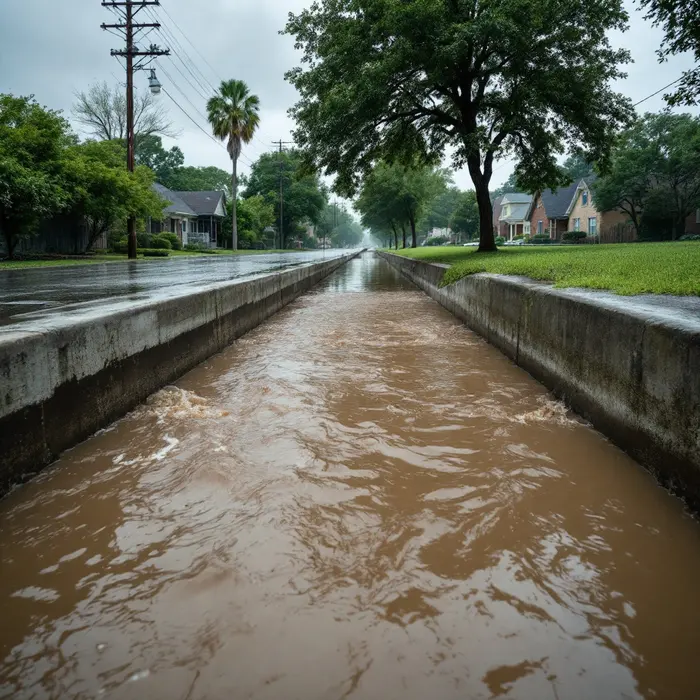
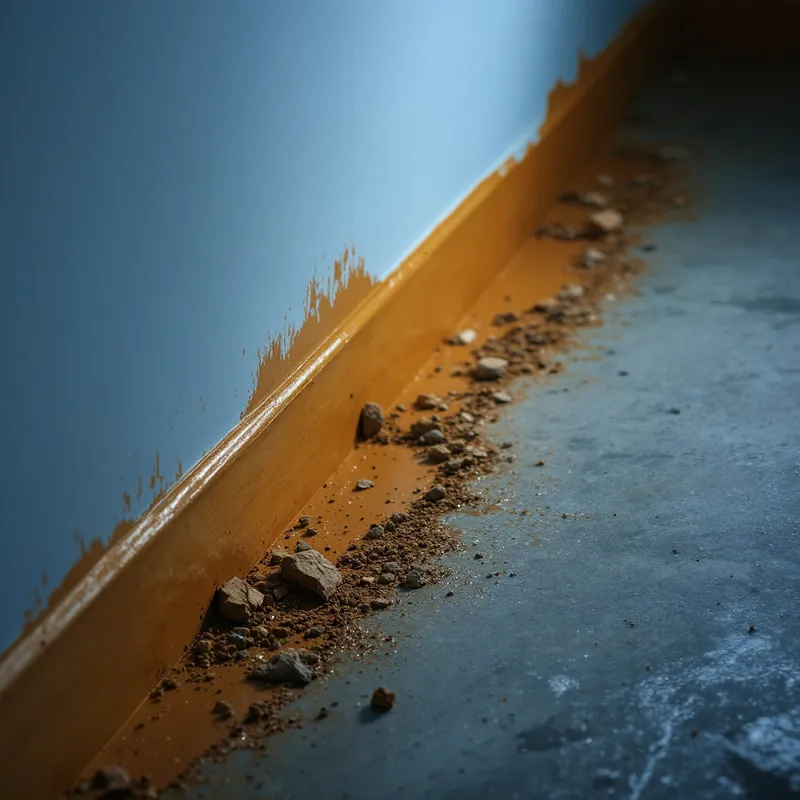
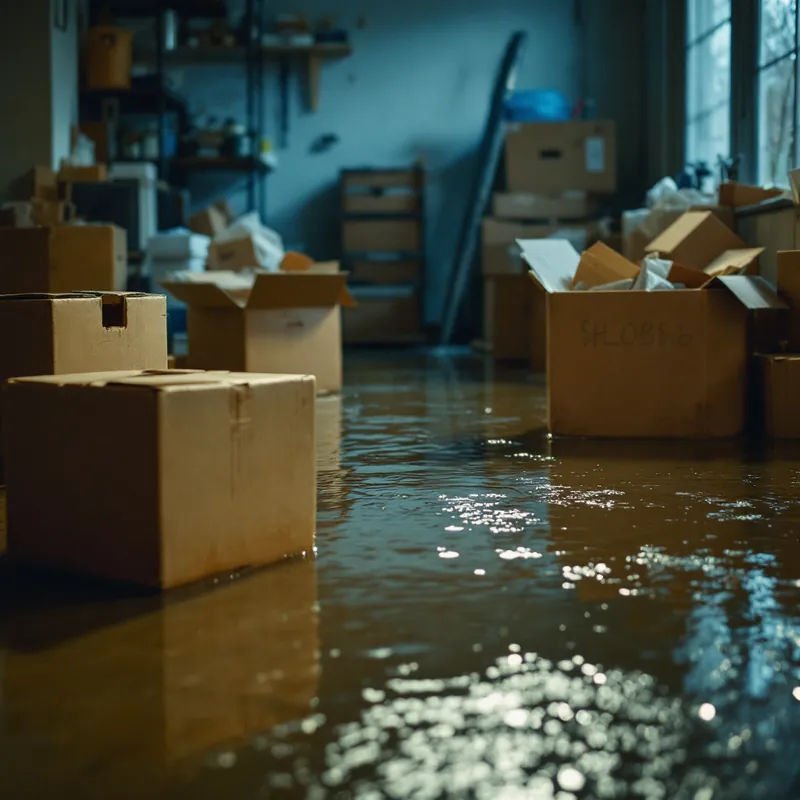
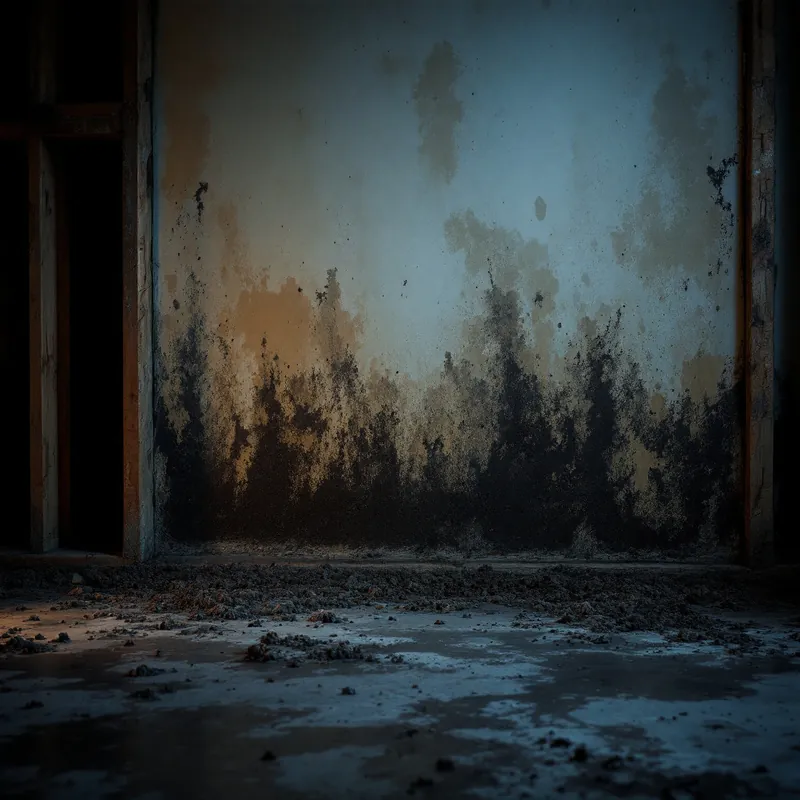
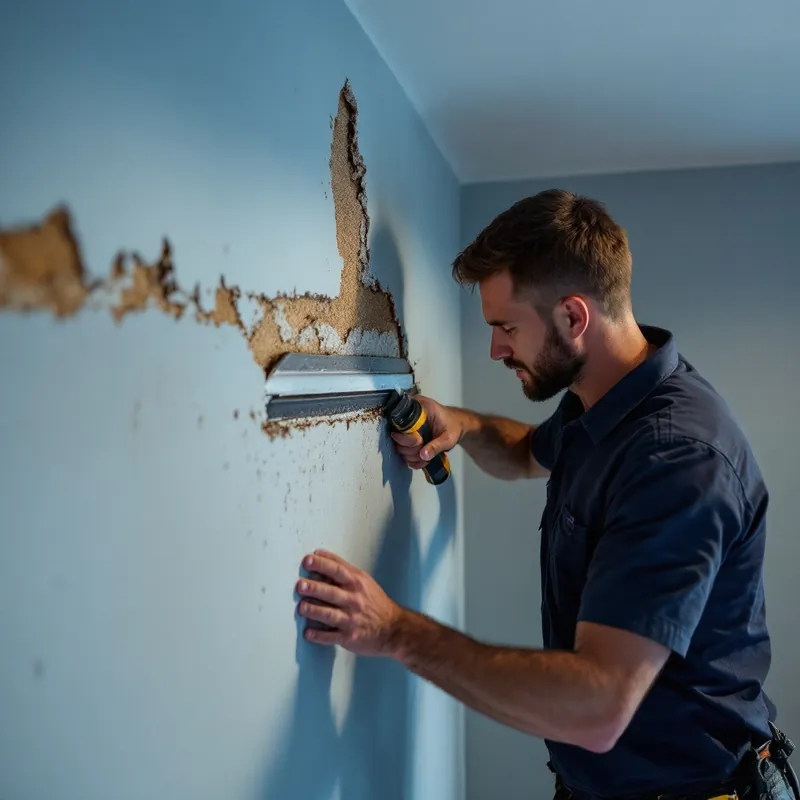
A Texas water loss is more than the water on the floor, it's the freeze that split the pipe, the bayou that overflowed, the mold the humidity feeds, and the gear it takes to reverse it. This is what the job looks like.






Straight Answers
Texas water damage questions, answered
Does homeowners insurance cover water damage in Texas?
A sudden, accidental internal failure, a burst pipe, a failed water heater, or wind-driven rain through a storm-damaged roof, is usually covered by a standard Texas homeowners policy regulated by TDI. Flooding and rising water from outside is excluded and needs a separate NFIP flood policy; on the coast, wind and hail may fall under TWIA. The cause decides the claim.
Why does Texas flood so much?
Texas leads the nation in flood risk. It has the Gulf Coast for hurricanes and surge, the Balcones "Flash Flood Alley" from San Antonio through Austin to Dallas where creeks can rise 20 feet in hours, the DFW hail belt, and a statewide winter-freeze burst-pipe risk. Texas recorded more flood deaths than any other state from 1959 to 2019.
Are frozen and burst pipes covered in Texas?
Usually yes, a sudden burst from a frozen pipe is a covered, sudden-and-accidental homeowners loss, minus the deductible. Winter Storm Uri in February 2021 became the costliest insured loss in Texas history, most of it burst pipes. Insurers may reduce payment if a home was left unheated and unattended.
What is Flash Flood Alley?
It's the crescent along the Balcones Escarpment from west of San Antonio through Austin and Waco toward Dallas. Gulf moisture, sharp terrain and thin limestone soils make it one of the most flash-flood-prone regions in the country, creeks and rivers can rise from a few inches to over 20 feet within hours.
How fast does mold grow after water damage?
Mold can begin within 24 to 48 hours on wet materials, and Texas humidity , especially on the Gulf Coast, speeds it up. That short window is why professional extraction and structural drying in the first day or two matters so much.
Which Texas cities do you serve?
We connect you with 24/7 crews across Texas, including Houston, Dallas, San Antonio, Austin and Fort Worth. Houston has its own dedicated page covering bayou flooding, hurricanes and slab leaks, and more metro pages are being added.
Get water damage help anywhere in Texas
From the Gulf Coast to the Panhandle, standing water and mold don't wait. Call for 24/7 extraction, drying and claim documentation, on-site inspection, no obligation, licensed local crews.
Call 24/7, (888) 217-7423Why the first call matters
The first-hour match — water damage is priced by the hour it sat, not by the hour you called
Standing water stops being the problem within a day. What it leaves behind — saturated drywall, wet insulation, a subfloor that keeps giving moisture back into the room — is what the invoice is actually made of, and it grows while the house looks calm.
That is not a failure of homeowners who waited. It is how the trade is arranged: you call a company, it comes when its schedule allows, and the clock keeps running in between. Our line is open every day of the year, and the call reaches an independent licensed and insured restoration company that covers your area now rather than tomorrow. We do not do the work ourselves — we are paid for the introduction, which is set out in how we make money.
Two things decide what this costs, and both are settled in the first hours. Moisture readings and photographs taken before anything is torn out are what an adjuster later accepts or disputes, and mold needs only a day or two of damp material to start. Neither waits for an appointment. And if the water came from outside — a river, a storm surge, groundwater — say so on the call. That is flood, a separate policy that a homeowners policy does not cover, and you should hear it from us before anyone arrives rather than after.