Houston, Texas · 24/7
Water Damage Restoration in Houston, TX when the water won't wait
From hurricane rain and bayou flooding to gumbo-clay slab leaks and freeze-burst pipes, Houston floods in more ways than almost any U.S. City. In this humid, subtropical climate mold can start within 24 to 48 hours, so fast extraction and drying is what saves your home. We connect you with independent restoration crews across Greater Houston 24/7.
No obligation · Insurance-friendly · Independent licensed & insured local companies
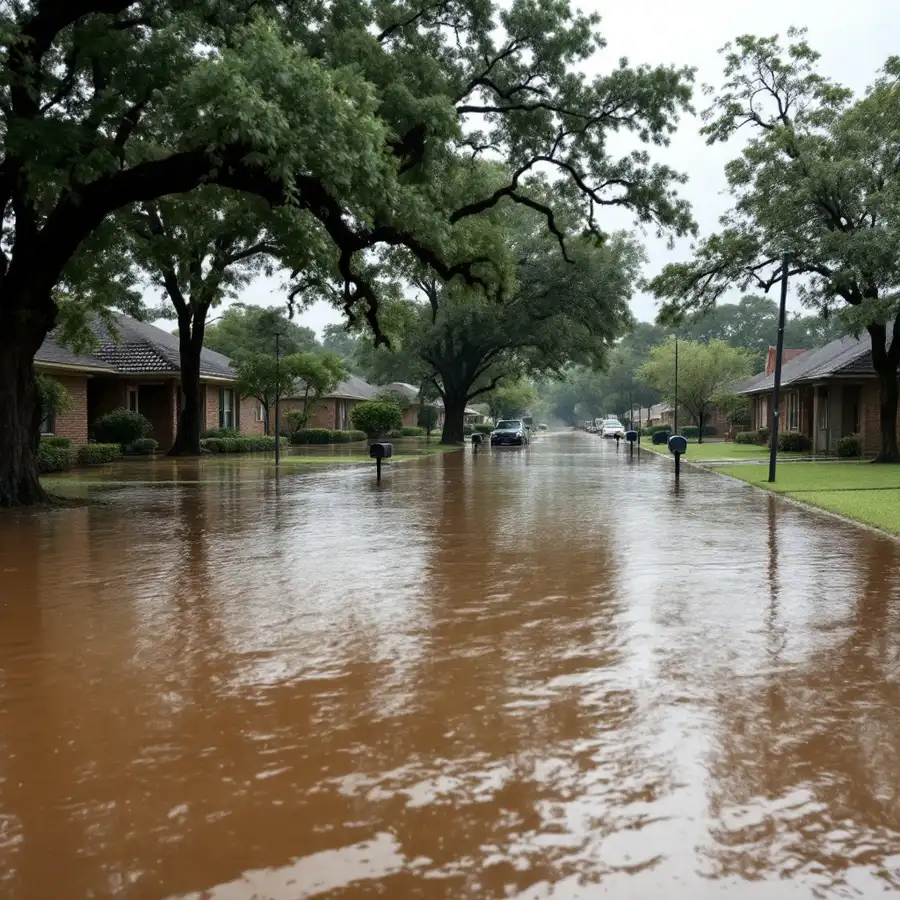 A flooded Houston street after a tropical downpour
every day of the year
Houston averages about 51.84 inches of rain a year (NWS Houston/Galveston) and sits in the path of Gulf hurricanes. If your home is taking on water now, call us and stay out of it until the power is off. New to us? See how we work and how we review.
Why It Happens Here
Why Houston homes flood, the local causes
Houston is flat, low and drained by bayous, built on clay that moves, and squarely in hurricane country. That combination floods homes from above, below and inside. Knowing which one hit you tells you the water type, who pays, and how to stop it happening again.
Hurricanes & tropical rain
Gulf storms stall over the metro and dump rain faster than the ground can take it. Hurricane Harvey dropped roughly a trillion gallons on Harris County in four days and put about 70% of the county under water, the reason storm-driven flooding is Houston's signature loss.
Bayous & reservoir releases
The county drains through 23 bayou watersheds, Buffalo, Brays, White Oak, Greens and Hunting among them. When Buffalo Bayou and the Addicks and Barker reservoirs fill, neighborhoods from Memorial to the Energy Corridor can flood even after the rain stops.
Flash & street flooding
On flat ground, water pools in underpasses, garages and single-story slab homes fast. You do not have to be near a bayou, sheet flooding across streets and yards pushes water under doors and into living space within minutes.
Gumbo-clay slab leaks
Houston's expansive "black gumbo" clay swells wet and shrinks dry, and that movement stresses the water lines running through your concrete slab. A slab leak shows up as a warm damp spot on the floor, a jump in the water bill, or the sound of running water with every tap off.
Freeze & burst pipes
Houston pipes aren't built for hard freezes. In February 2021, Winter Storm Uri burst pipes across Texas and drove a record insured loss. A single burst pipe or frozen line can flood a home with clean water in minutes.
Sources: NOAA Climate.gov (Harvey), Harris County Flood Control District, Texas Dept. Of Insurance (Winter Storm Uri).
The Costly Myth
"I'm not in a floodplain" is not the same as safe
The single most expensive assumption Houston homeowners make is that a home outside the mapped high-risk zone can't flood, and won't need coverage.
- Roughly two-thirds of Harvey's flooding was outside FEMA's mapped high-risk zone. A large share of the homes that flooded had no flood insurance because they were told they didn't need it.
- Standard homeowners policies never cover rising water. Flood is a separate NFIP policy, and it has a 30-day waiting period, so it has to be in place before the storm, not during it. One exception worth knowing: if you are buying the policy as part of closing on a mortgage, federal rules waive the wait, cover starts at closing.
- Look your address up. Check your property on the FEMA flood program and the HCFCD watershed map, being "Zone X" lowers your odds, it doesn't remove them.
If you flooded and weren't covered
You still need the water out fast to save the structure and stop mold, whether or not a policy pays. Crews document the cause and the damage either way, which is what any later claim or aid application will need.
Get water out nowWhat a Claim Actually Pays
What flood insurance has really paid out in Harris County
"Is it worth it" is easier to answer with the program's own numbers than with advice. We pulled every NFIP claim on record in Harris County straight from FEMA's open claims dataset and added them up.
It is not just Harvey
One storm does dominate: 2017 alone accounts for 49,786 claims and $5.38 billion, at an average of $125,738 per paid claim, double the county norm. But six separate loss years have cleared $200 million in Harris County: Tropical Storm Allison in 2001 ($874M across 22,946 claims), Ike in 2008, then 2015, 2016, 2017, and Imelda in 2019. A policy bought "because of Harvey" would have paid out in five other years as well.
Two things these numbers do not say
About 18% of Harris claims , 30,746 of them, closed without a payment, so the average above describes claims that paid, not claims that were filed. And this is NFIP only: water damage handled by a homeowners policy (a burst pipe, an appliance leak, a roof opened by wind) never appears in this dataset, so the real cost of water damage in Houston is larger than $8.76 billion, not smaller.
Our own calculation from FEMA's OpenFEMA NFIP redacted claims dataset (NfipClaims v3), filtered to county FIPS 48201, summing building, contents and ICC payments. Dataset last refreshed by FEMA on 4 August 2026; we recompute it as the source updates.
Clean, Grey or Black
Which category Houston water losses fall into
Crews classify every loss by the IICRC S500 categories, and in Houston the category is usually decided by where the water came from, bayou, slab or supply line. That single fact drives what can be dried in place, what has to come out, and whether the loss is even insurable.
Bayou & street flood water → Cat 3
Anything that came off a street, a bayou or the reservoirs is contaminated black water, it carries what the storm picked up along the way. Carpet, pad and soaked drywall are removed rather than dried, and rising flood water is exactly what a standard homeowners policy never covers, that is a flood claim, not a homeowners one.
Slab leak & supply line → Cat 1–2
Water from a line under the foundation starts clean, but Houston's heat and humidity push it to Category 2 within a day or two. Caught fast it dries in place; sitting under flooring for weeks it becomes a mould job as well as a plumbing one.
Sewer backup → Cat 3, immediately
A sewer backup is black water from the first minute, no degradation window. Older inner-loop lines back up when the system is overwhelmed by the same storm that flooded the street.
AC condensate & overflow → Cat 2
Houston runs air conditioning most of the year, so blocked condensate lines and overflowing pans are a year-round leak source, usually found as a stain on a ceiling below the air handler.
Wind-driven rain → Cat 1–2
Rain that entered through a roof the storm opened is treated as clean-to-grey water, and the roof damage is what makes it a covered claim rather than a flood exclusion.
Why the label decides the bill
Category sets the method: Cat 1 is dried, Cat 3 is removed and disinfected. That is why two Houston homes with the same inch of water can differ several-fold in cost, see the cost guide.
The Restoration Side
How water damage restoration works in Houston
Inspect & assess
The crew confirms power is off, classifies the water category, and maps the moisture, including under the slab and behind walls, where Houston losses hide.
Extract the water
Truck-mounted extractors and submersible pumps pull standing water from floors, carpet and cavities fast, see water extraction.
Remove & disinfect
Ruined drywall, pad and flooring come out; contaminated flood or sewer surfaces are disinfected with antimicrobials.
Dry & dehumidify
Air movers and dehumidifiers dry the slab, framing and materials over several days, verified with moisture meters, the step that actually stops mold.
Restore & rebuild
New drywall, insulation, flooring and paint put the home back together once every reading confirms it's dry.
Free Instant Tool
Houston coverage & response checker
Houston is the one city where the water source decides which policy pays, homeowners, NFIP flood, or TWIA windstorm, east of Highway 146 only. Tell us what happened and what you carry, and get an instant read on the water type, which policy is likely to apply, and your best next step. It's a fast orientation while you call, not a quote or a coverage promise.
Who Pays in Houston
In Houston the cause, not the damage, decides who pays
Texas splits water coverage across three policies, and Houston is the city where all three actually come into play in the same year. The full statewide breakdown lives on our Texas hub, here is how it lands on a Houston address.
Bayou overflow & street flooding
Treated as flood. Only an NFIP policy pays, and it can't be bought once a storm is in the Gulf, the 30-day wait is the whole game (that wait is waived only when the policy is bought at a mortgage closing). This is the gap that left so many Harvey losses uninsured.
Slab leak under the foundation
Homeowners usually covers the water damage and the access needed to reach the pipe, but not the failed pipe itself. Houston's clay movement makes the cause harder to argue, so documentation of the break matters more here than almost anywhere.
Hurricane wind vs surge
Wind that opens the roof is homeowners (or TWIA on parts of Harris County east of Highway 146); the surge that follows is flood. One storm, two policies, and the adjuster splits the loss by cause.
Because the cause decides the payout, we photograph the source, the level and the moisture readings for your claim.
Get documented helpWhat It Costs
What water damage restoration costs in Houston
There's no single price, the water category, how much of the home is wet, and how long it sat drive the number. This is how the common Houston causes line up, from a quick clean-water dry-out to a contaminated whole-home loss. For dollar ranges, see our water damage cost guide.
| Cause | Water category | Houston driver | Relative cost |
|---|---|---|---|
| Burst / frozen pipe | Category 1 clean | Caught fast, dries cleanly | $ |
| Water heater / AC / appliance | Category 1–2 | Often near flooring & cabinets | $–$$ |
| Slab leak | Category 1–2 | Gumbo-clay access + specialty slab drying | $$ |
| Roof / storm rain | Category 1–2 | Ceiling & wall cavities, humid re-mold risk | $$ |
| Sewer / drain backup | Category 3 black | Disinfection + material removal | $$$ |
| Hurricane / bayou flood | Category 3 flood | Whole-home, contaminated, often uninsured | $$$ |
Relative scale, not a quote, a crew gives a firm number after inspecting. Slab drying can add a specialty-equipment premium because Houston's clay soil traps moisture under the foundation.
Do These First
First 24–48 hours after Houston water damage
The clock that matters is the mold clock. Work through these in order, safety first, then get the water moving out.
1. Make it safe
Don't enter standing water until the power is off, it can be electrified. After a freeze, treat sagging, water-heavy ceilings as a collapse risk.
2. Stop the source
Shut the main valve for a pipe or slab leak. For rain, bayou or storm flooding, the water keeps coming until it drains and is pumped.
3. Document the cause
Photograph and video the level, the source and damaged belongings before anything moves, in Houston the cause decides whether homeowners, NFIP or TWIA only for the part of Harris County east of Highway 146 pays.
4. Call for extraction
Fast extraction and drying is what limits the damage and the mold that follows in humid air, same-day dispatch, 24/7.
5. Don't run the A/C on flood water
If flood water reached ducts or the air handler, running the system spreads contamination and mold spores through the whole house, have it checked first.
6. Save what's high-value, safely
Move documents, electronics and valuables up and out of the water, but never reach into water near outlets or a submerged panel.
Every hour of standing water is more structure lost and more mold, call before you start pulling things out
Call (888) 217-7423What It Really Involves
Houston water damage, from the water to the fix
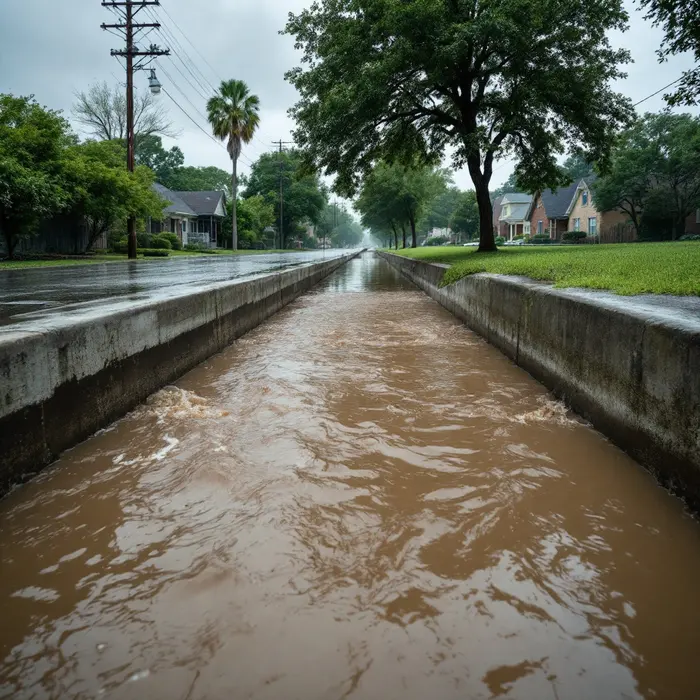
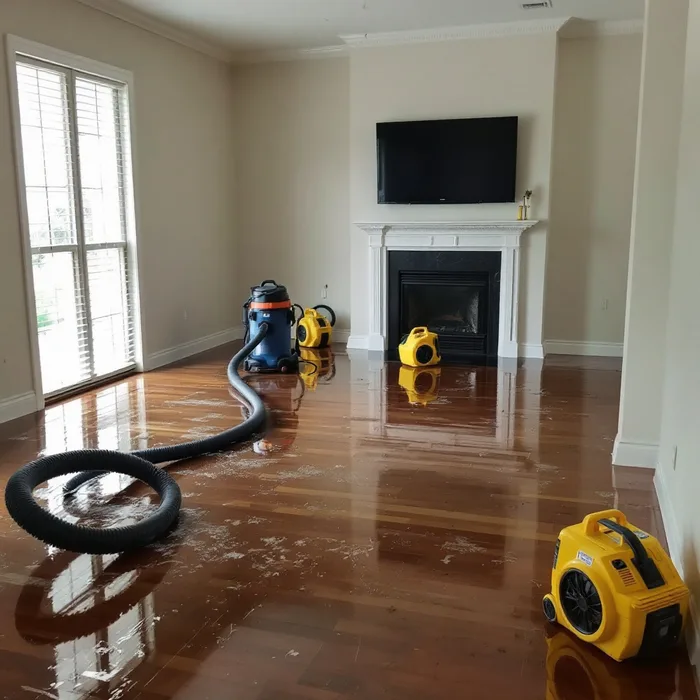
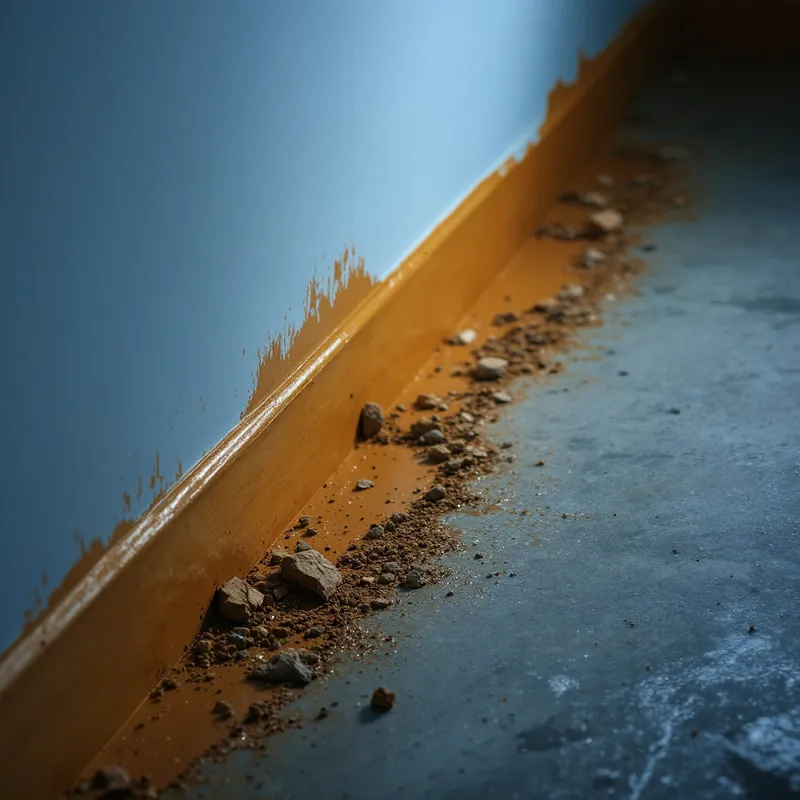
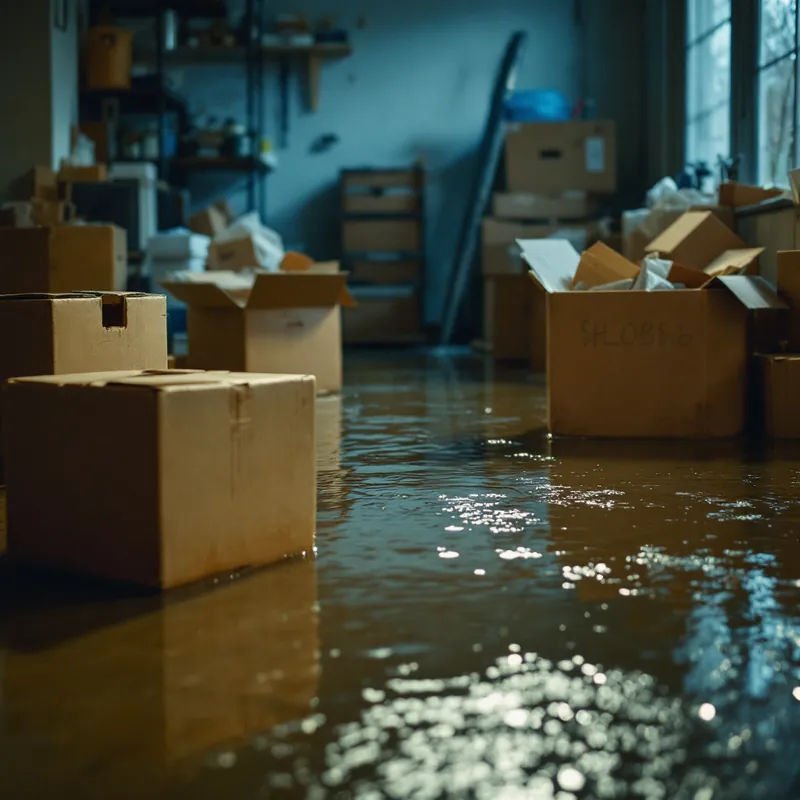
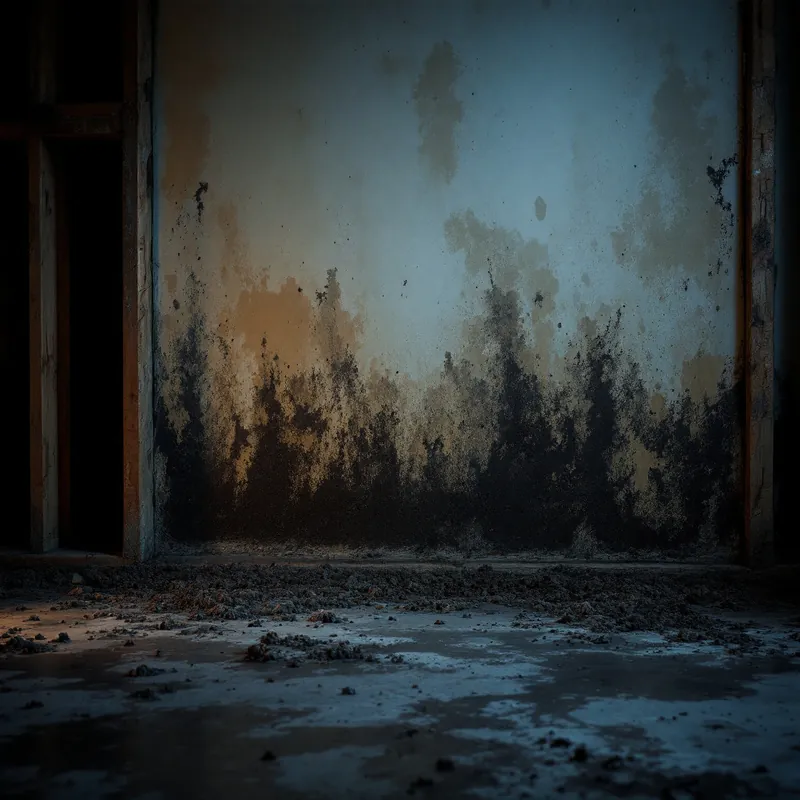
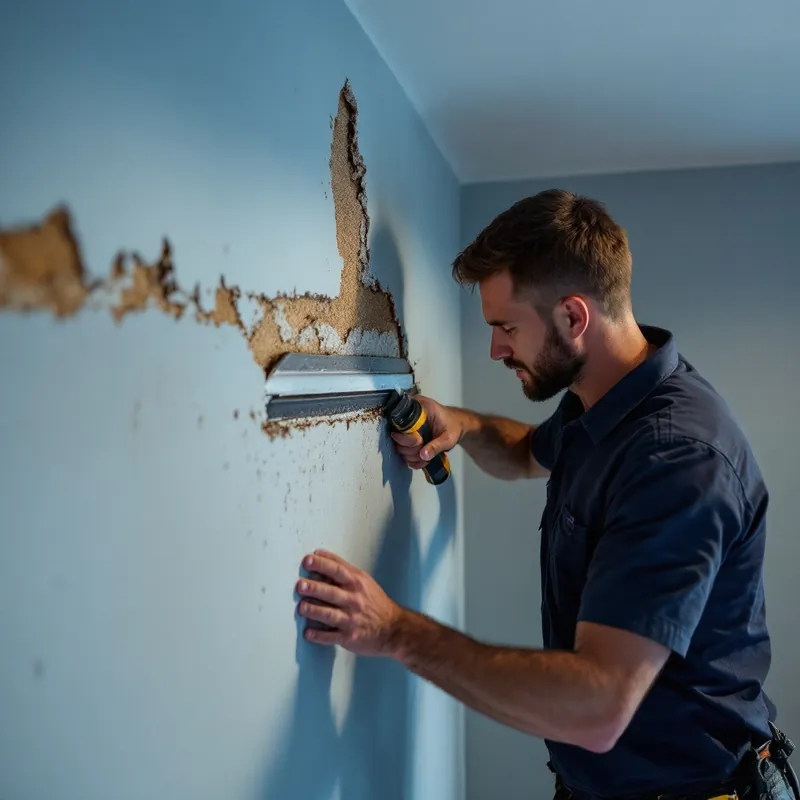
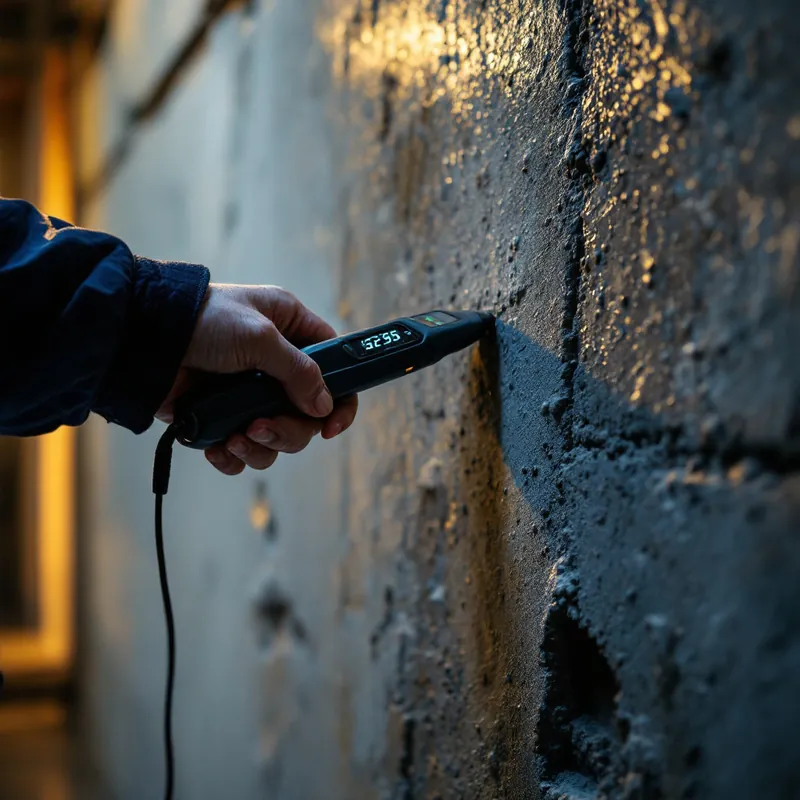
A Houston water loss is more than the water on the floor, it's the bayou that overflowed, the mark it leaves, the mold the humidity feeds, and the gear it takes to reverse it. This is what the job actually looks like.




Straight Answers
Houston water damage questions, answered
Does homeowners insurance cover water damage in Houston?
It depends on the cause. A sudden, accidental internal failure, a burst pipe, a failed water heater, or wind-driven rain through a storm-damaged roof, is usually covered by a standard Texas homeowners policy. Flooding from outside (hurricane rain, bayou overflow, storm surge) is excluded and needs a separate NFIP flood policy. On the coast, wind and hail may fall under TWIA. Documenting the cause is what decides the claim.
Do I need flood insurance in Houston if I'm not in a floodplain?
Most Houston homeowners should consider it. During Hurricane Harvey, roughly two-thirds of the flooded area was outside FEMA's mapped high-risk zone, so a large share of flooded homes had no flood insurance. Standard homeowners never covers rising water, and an NFIP policy has a 30-day waiting period, so it has to be in place before the storm.
Why does Houston flood so easily?
Houston is flat, low-lying and drained by bayous across 23 watersheds and roughly 2,500 miles of channels. It averages about 52 inches of rain a year and sits in the path of Gulf hurricanes. When rain outpaces the bayous , Harvey dropped about a trillion gallons on Harris County in four days, streets, homes and slabs flood even away from rivers.
What is a slab leak and why are they common here?
A slab leak is a water line that fails under the home's concrete foundation. Houston's expansive "gumbo" clay swells wet and shrinks dry, and that movement stresses the pipes in the slab. It often shows up as a warm damp spot on the floor, an unexplained spike in the water bill, or the sound of running water with every tap off.
How fast does mold grow after water damage in Houston?
Mold can begin within 24 to 48 hours on wet materials, and Houston's warm, humid climate speeds it up. That short window is why professional extraction and structural drying in the first day or two matters, the goal is clean, dry materials before mold takes hold.
How much does water damage restoration cost in Houston?
Cost depends mostly on the water category and how much of the home is affected. Clean-water losses caught fast are least expensive; contaminated Category 3 storm or sewer water costs more because of disinfection and removal, and slab drying can add a specialty-equipment premium. A crew gives a firm number after inspecting, see our cost guide for typical ranges.
How long does restoration take?
Emergency extraction happens the same day. Structural drying usually runs three to five days depending on how much water there was and what got wet, slab, drywall and insulation hold moisture and take longer. Any rebuild of removed materials is additional.
Get water damage help in Houston now
Standing water and Houston humidity don't wait. Call for 24/7 extraction, drying and claim documentation, on-site inspection, no obligation, licensed local crews.
Call 24/7, (888) 217-7423Why the first call matters
The first-hour match — water damage is priced by the hour it sat, not by the hour you called
Standing water stops being the problem within a day. What it leaves behind — saturated drywall, wet insulation, a subfloor that keeps giving moisture back into the room — is what the invoice is actually made of, and it grows while the house looks calm.
That is not a failure of homeowners who waited. It is how the trade is arranged: you call a company, it comes when its schedule allows, and the clock keeps running in between. Our line is open every day of the year, and the call reaches an independent licensed and insured restoration company that covers your area now rather than tomorrow. We do not do the work ourselves — we are paid for the introduction, which is set out in how we make money.
Two things decide what this costs, and both are settled in the first hours. Moisture readings and photographs taken before anything is torn out are what an adjuster later accepts or disputes, and mold needs only a day or two of damp material to start. Neither waits for an appointment. And if the water came from outside — a river, a storm surge, groundwater — say so on the call. That is flood, a separate policy that a homeowners policy does not cover, and you should hear it from us before anyone arrives rather than after.