24/7 Storm Response
Storm Damage Restoration, secured fast, rebuilt right
Wind, hail or a fallen tree opened up your home? We connect you with crews who tarp the roof and board up openings the same day, extract any water that got in, and repair everything back to pre-storm condition, with the documentation your insurer needs.
No obligation · Insurance-friendly · Independent licensed & insured local companies
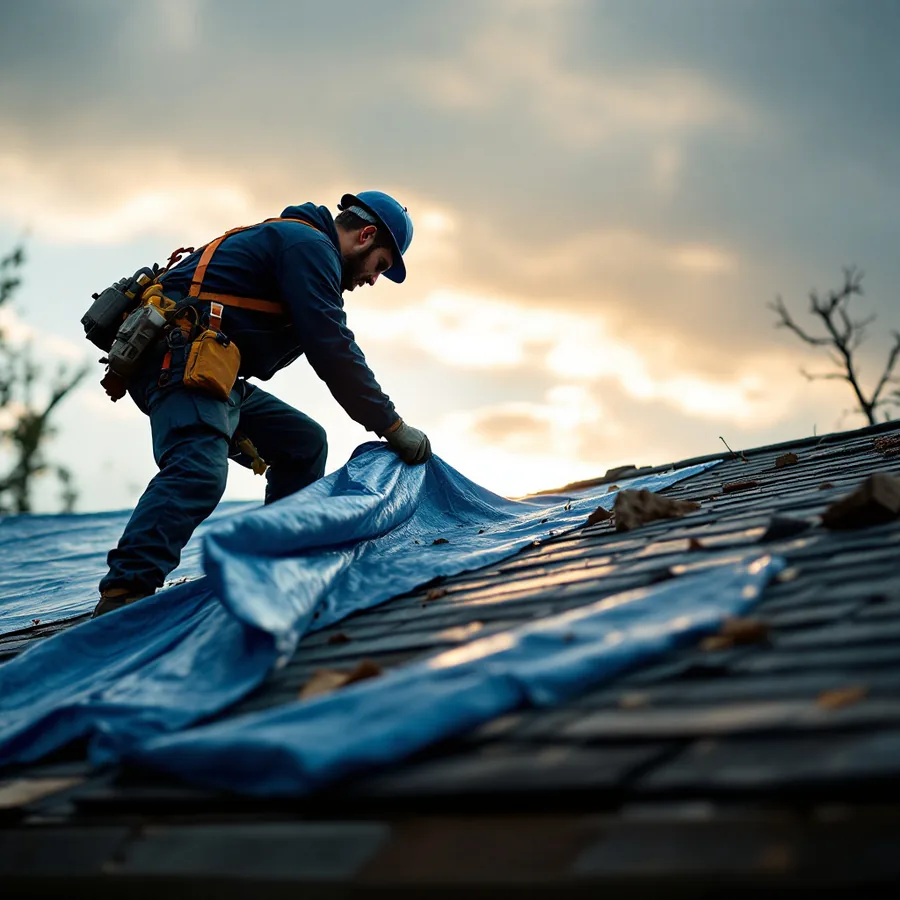 Emergency roof tarping & board-up
every day of the year
Know the Damage
The four kinds of storm damage
A single storm often causes several types of damage at once. Catching all of it , especially the water that follows, is what protects your home and your claim.
Wind damage
Lifted, torn or missing shingles, damaged flashing, siding blown off, and gutters or fascia pulled loose, the openings wind leaves behind let the next rain straight in.
Hail damage
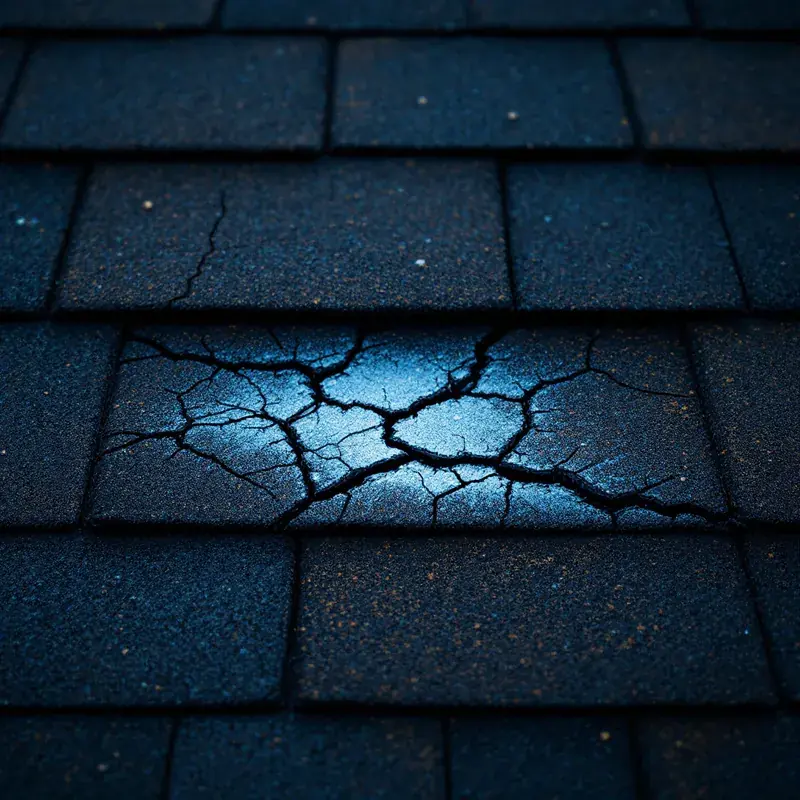
Bruised or cracked shingles, dented siding, gutters and vents. Hail damage is easy to miss from the ground but shortens a roof's life and voids protection if left unrepaired.
Water & rain intrusion
Once the roof or a window is breached, rain soaks insulation, drywall and framing. This is the damage that keeps growing after the storm, and the reason speed matters.
Fallen trees & debris
Branches and whole trees puncture roofs and walls; flying debris breaks windows. We clear it, secure the opening, and repair the structure underneath.
The dangerous part is what you can't see. Storm damage is often delayed, a few lifted shingles or hail bruises let water seep in slowly, showing up weeks later as a ceiling stain, a musty attic or peeling paint, long after the storm and long after many insurance deadlines. An on-site inspection right after the storm documents the damage while it's fresh and catches the hidden water before it becomes mold and rot.
The Critical First Step
Emergency tarping & board-up
After a storm, time is the enemy. Every hour a roof opening or broken window stays exposed, more rain, wind and debris get inside, turning a repairable problem into a gutted room and a mold job. Securing the property is the very first thing crews do, day or night, before any repair is scheduled.
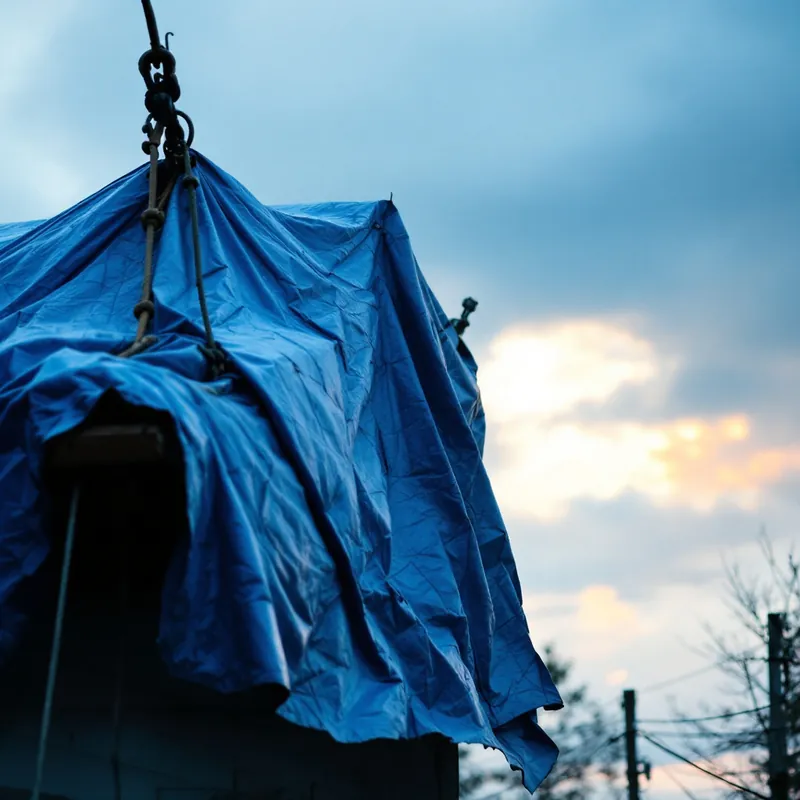
- Roof tarping. Heavy-duty tarps are anchored over damaged sections to keep rain out until permanent roof repairs are made.
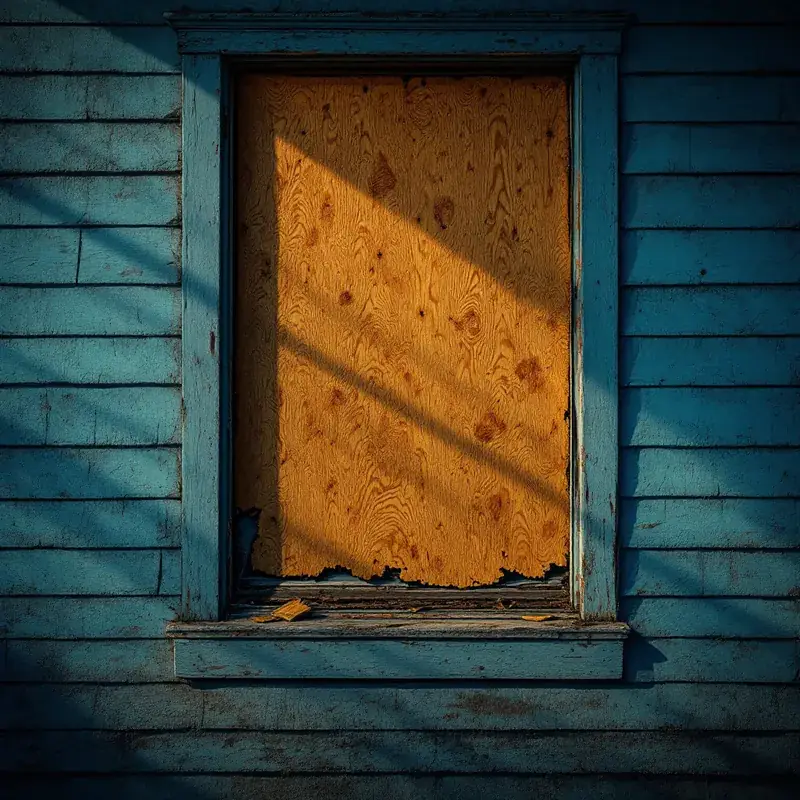
- Board-up. Broken windows, doors and wall openings are boarded to stop water, wind and intruders and to make the property safe.
- Hazards cleared. Fallen branches and unstable debris are cleared enough to safely secure the structure.
Why it protects your claim
Insurance policies require you to take reasonable steps to prevent further damage after a loss. Prompt tarping and board-up isn't just damage control, it's documented proof you met that duty, which keeps the follow-on water and interior damage inside your covered claim rather than being disputed as neglect.
Get secured nowWhat We Handle
Full storm recovery, from tarp to rebuild
One call covers the whole storm: securing the property, drying it out, and repairing the roof, exterior and interior.
Emergency tarping & board-up
Same-day roof tarps and boarded windows stop rain, wind and intruders while repairs are scheduled.
Call 24/7 →Storm roof repair
Repair or replace shingles, flashing and decking damaged by wind, hail or impact, documented for insurance.
Get help →Water extraction & drying
Extract rain that got inside and dry framing, insulation and drywall before mold has a chance to start.
Get help →Tree & debris removal
Safely remove fallen trees, branches and debris from the roof and property, then secure the opening.
Get help →Structural & interior repair
Rebuild damaged framing, siding, ceilings and interiors back to pre-storm condition once everything is dry.
Get help →Commercial storm damage
Fast response for businesses and property managers, securing, drying and repairing to reopen sooner.
Get help →Every Kind of Storm
Storm events we respond to
Different storms leave different damage, the response is tailored to exactly what hit your home.
Hurricanes & tropical storms
High wind and driving rain tear off roofing and force water in through every opening. Fast tarping and drying limit the interior loss while permanent repairs are planned.
Tornadoes & straight-line wind
Extreme wind and flying debris cause structural damage, missing roofs and broken windows. We secure the property first, then rebuild the structure and interior.
Hail & severe thunderstorms
Hail bruises shingles and dents siding while heavy rain finds every weak spot. The damage is easy to miss from the ground and best documented right away for your claim.
How It Works
The storm damage restoration process
Secure
Emergency tarping and board-up stop more rain, wind and intruders getting in.
Extract
Pump and vacuum out any water that entered before it soaks into the structure.
Assess
Inspect roof, exterior and interior and document every bit of damage for your claim.
Dry
Air movers and dehumidifiers dry framing, insulation and drywall to prevent mold.
Rebuild
Repair the roof, siding and interior, restoring your home to pre-storm condition.
Free Instant Tool
Storm damage: covered & first step checker
Tell us what the storm broke and whether water is coming inside right now, and get an instant read on whether homeowners insurance is likely to cover it, the water category, and the first thing to do. It's a fast orientation while you call, not a quote or a coverage promise, since your policy and situation decide.
Insurance & Claims
Storm damage and your insurance
Most storm damage is covered, but the type of water matters, and so does how fast you act. Crews document everything the way adjusters expect.
- Usually covered. Wind, hail and rain that entered through storm-caused openings are standard homeowners perils.
- Not covered. Flooding , water that rises from outside, is excluded and needs a separate FEMA/NFIP flood policy.
- Protect the claim. Emergency tarping shows you prevented further damage; photos and moisture logs back up the scope.
Is it covered?
| Wind & missing shingles | Usually yes |
| Hail damage | Usually yes |
| Rain through storm opening | Usually yes |
| Fallen tree on the home | Often yes |
| Rising flood water | Flood policy |
Storm Repair Cost
What affects your storm restoration cost
Because insurance usually carries most storm claims, your out-of-pocket is often just the deductible, but the total scope depends on these:
- Extent of the opening. A few missing shingles is a small repair; a tree through the roof means structural work, drying and interior rebuild.
- Water that got in. If rain reached insulation, drywall and framing, extraction and multi-day drying are added before repairs.
- Roof damage. Spot shingle repair costs far less than partial or full roof replacement after severe wind or hail.
- Tree & debris. Removing and disposing of fallen trees and heavy debris adds labor and equipment.
- Mitigation vs. Rebuild. Emergency securing and drying is billed separately from the rebuild that restores roof, siding and interior finishes.
- Access & steepness. A steep or multi-story roof, or damage in hard-to-reach areas, adds safety equipment and labor to both the tarping and the repair.
Because a covered storm claim usually pays for repairs beyond your deductible, the biggest financial risk isn't the repair bill, it's missing damage. Undocumented hail bruising or a small roof breach that isn't caught becomes an out-of-pocket problem later, when it's no longer clearly tied to the storm. That's why the on-site inspection and thorough documentation up front matter as much as the repair itself.
Pro-Grade Equipment
Storm damage, from the tarp to the rebuild
Once the roof is tarped and water is extracted, the real work is drying the structure before mold sets in. Crews bring commercial equipment sized to the water the storm let in.







FAQ
Storm damage questions, answered
Does homeowners insurance cover storm damage?
Wind, hail and rain-driven damage from a storm are typically covered by homeowners insurance. Flooding , water that rises from outside, is excluded and needs a separate FEMA/NFIP flood policy. Fast documentation and emergency tarping protect your claim.
What should I do first after storm damage?
Stay safe and avoid downed power lines. Once it's safe, photograph all damage, cover openings to keep more water out, and call for emergency tarping and board-up. Then open your insurance claim.
How fast can you tarp a damaged roof?
Emergency roof tarping and board-up are same-day, 24/7, the priority is stopping further water and wind damage while permanent repairs are scheduled.
Is roof storm damage repairable?
Most storm roof damage , missing or lifted shingles, hail bruising, punctures from debris, is repairable. Severe structural damage may need partial or full roof replacement, which we assess and document for insurance.
Do you handle the water damage inside from the storm?
Yes. Rain that entered through a damaged roof or broken window is extracted and the structure is dried the same way as any water damage, before repairs, which also prevents mold.
How long does storm damage restoration take?
Emergency securing is immediate. Drying takes several days; full repair depends on the roof, exterior and interior work involved and on the insurance approval timeline.
Sources & Standards
Storm safety and recovery guidance: Ready.gov, Severe Weather, Ready.gov, Winter Weather and NOAA National Weather Service, Safety. Flood-vs-storm insurance: FEMA, Flood Insurance. Water extraction and drying follow the IICRC S500 standard; mold thresholds after storm water intrusion reference the US EPA , Mold and CDC, Mold.
Why the first call matters
The first-hour match — water damage is priced by the hour it sat, not by the hour you called
Standing water stops being the problem within a day. What it leaves behind — saturated drywall, wet insulation, a subfloor that keeps giving moisture back into the room — is what the invoice is actually made of, and it grows while the house looks calm.
That is not a failure of homeowners who waited. It is how the trade is arranged: you call a company, it comes when its schedule allows, and the clock keeps running in between. Our line is open every day of the year, and the call reaches an independent licensed and insured restoration company that covers your area now rather than tomorrow. We do not do the work ourselves — we are paid for the introduction, which is set out in how we make money.
Two things decide what this costs, and both are settled in the first hours. Moisture readings and photographs taken before anything is torn out are what an adjuster later accepts or disputes, and mold needs only a day or two of damp material to start. Neither waits for an appointment. And if the water came from outside — a river, a storm surge, groundwater — say so on the call. That is flood, a separate policy that a homeowners policy does not cover, and you should hear it from us before anyone arrives rather than after.