Burst Pipe Emergency
Burst Pipe? Here's what to do first
A burst pipe floods a home fast, but the next few minutes decide how big the damage gets. Shut the water off, protect what you can, and get a crew extracting and drying before materials are lost. We connect you with crews 24/7 across the US, and the inspection is free.
No obligation · Insurance-friendly · Independent licensed & insured local companies
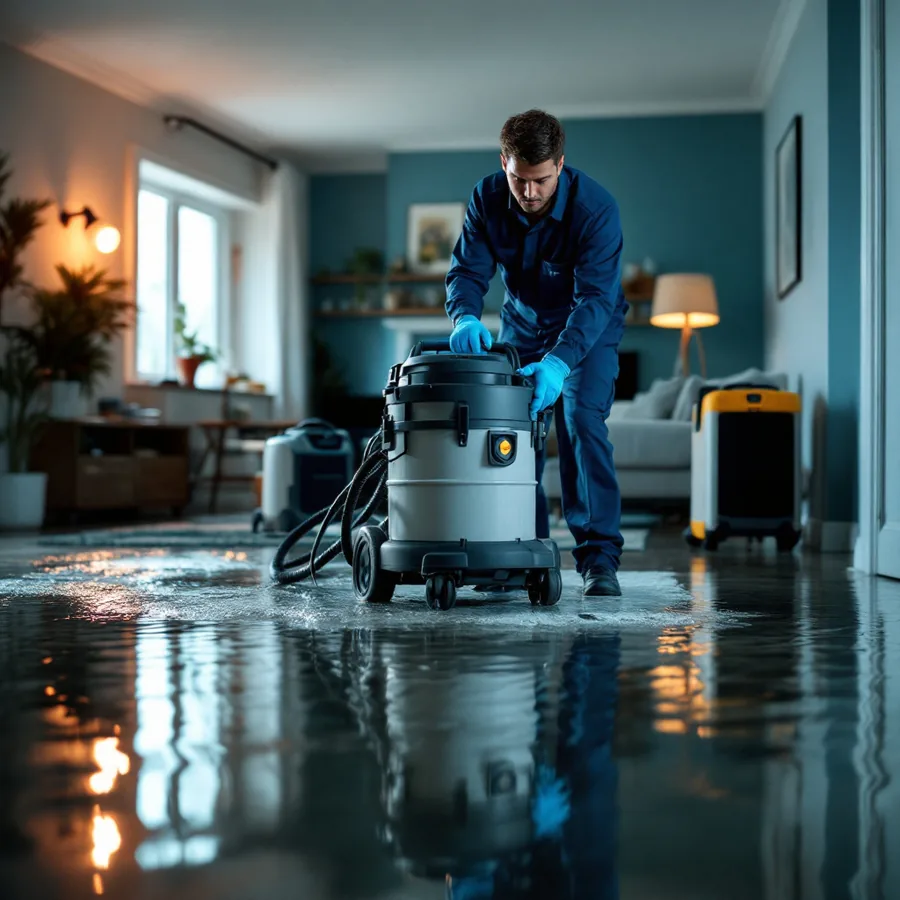 Fast extraction limits the damage
every day of the year
This page walks you through the emergency and the cleanup that follows. If water is spreading now, don't read, call us and shut your water off. Want to know who you're calling first? See how we work.
Do These First
What to do the moment a pipe bursts
Stay calm and work in order. The goal in the first ten minutes is simple: stop the water, stay safe, and limit what gets wet. Everything else can wait.
1. Shut off the water
Turn off your home's main water shutoff valve to stop the flow at the source, then open the lowest faucets to drain the pipes. Know where that valve is before you ever need it.
2. Cut the power if needed
If water is near outlets, appliances or the panel, shut off electricity to the area at the breaker. If you can't reach it safely, call your utility, never wade into charged water.
3. Move valuables clear
Get electronics, furniture and documents out of the water. Lift or foil-block furniture legs so they don't wick moisture and stain your floors.
4. Document everything
Photograph and video the standing water and wet materials before you clean up. It costs nothing and it's what your insurance claim will rest on.
5. Call for extraction
Call a 24/7 water mitigation crew to extract the water and start structural drying fast, before materials are lost and mold begins.
6. Fix the pipe
Have a plumber repair the burst pipe so the water can go back on, while the restoration crew dries the structure. Two different jobs, both needed.
Water is spreading by the minute, don't wait to call
Call (888) 217-7423Why Speed Matters
Why a burst pipe is a water emergency
A burst pipe isn't just a mess to mop, it's a clock. What looks like surface water is already soaking into places you can't see, and the cost of the job climbs with every hour it sits.
- It moves fast. A failed supply line can release hundreds of gallons an hour, spreading across floors and down into ceilings and lower levels within minutes.
- It hides. Water wicks up drywall, under flooring and into insulation and framing, the wet you see is a fraction of the wet that's there.
- It degrades. Left even a day, clean Category 1 water grows bacteria and mold, turning a simple dry-out into a removal-and-rebuild job.
The 24–48 hour window
Materials dried within one to two days are usually saved. Past that, drywall, carpet pad and insulation cross the point of no return and mold can begin, which is why the single best thing you can do is get extraction started fast.
Start a on-site inspectionWhy It Happened
Common causes of burst pipes
Knowing what caused it helps you prevent the next one, and matters to your insurance claim, since sudden causes are treated differently from slow, avoidable ones.
Freezing
The number-one cause. Water expands as it freezes and splits the pipe; the flood comes when it thaws. Pipes in unheated walls, attics and crawlspaces are most at risk.
Corrosion & age
Older steel and galvanized pipes rust and thin from the inside until a weak spot lets go. Whole-home failures often trace back to aging plumbing.
Excess water pressure
Pressure above the safe range stresses joints and pipe walls. A failed pressure regulator or water hammer can push a weak fitting past its limit.
Clogs & blockages
A blockage builds pressure behind it. When it has nowhere to go, the pipe or a joint gives way, common in older drain and sewage lines, which release contaminated water.
Ground movement
Settling foundations, tree roots and shifting soil put slow strain on buried and slab pipes until they crack.
Bad installation
Over-tightened fittings, mixed metals and unsupported runs create weak points that fail years later under normal use.
Frozen pipes cause the biggest seasonal spike. If yours burst in a cold snap, our frozen-pipe guide and the prevention steps below will help you avoid a repeat.
The Restoration Side
How burst pipe water damage is repaired
Inspect & map moisture
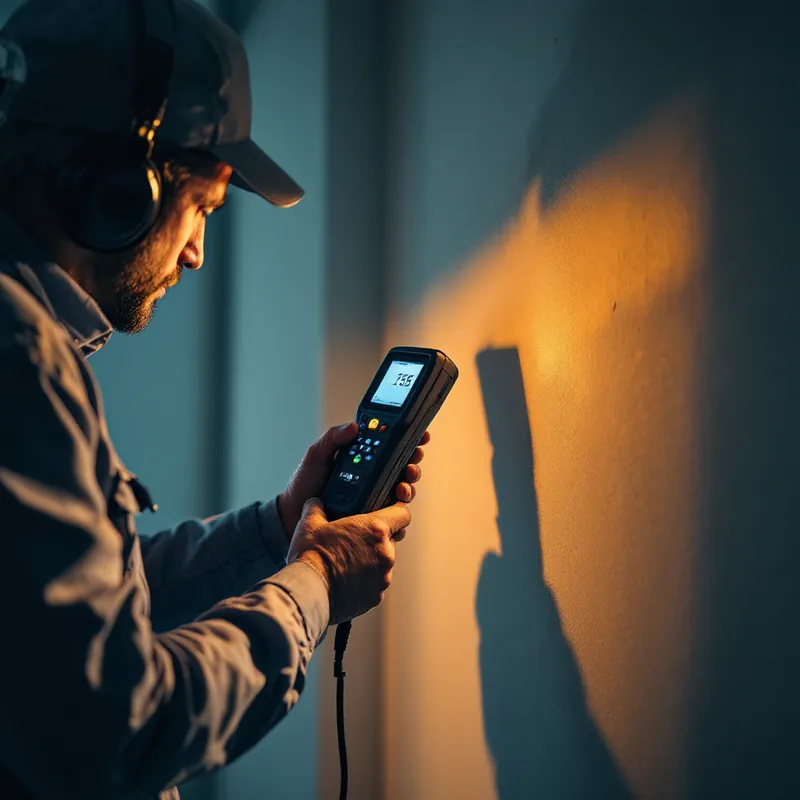
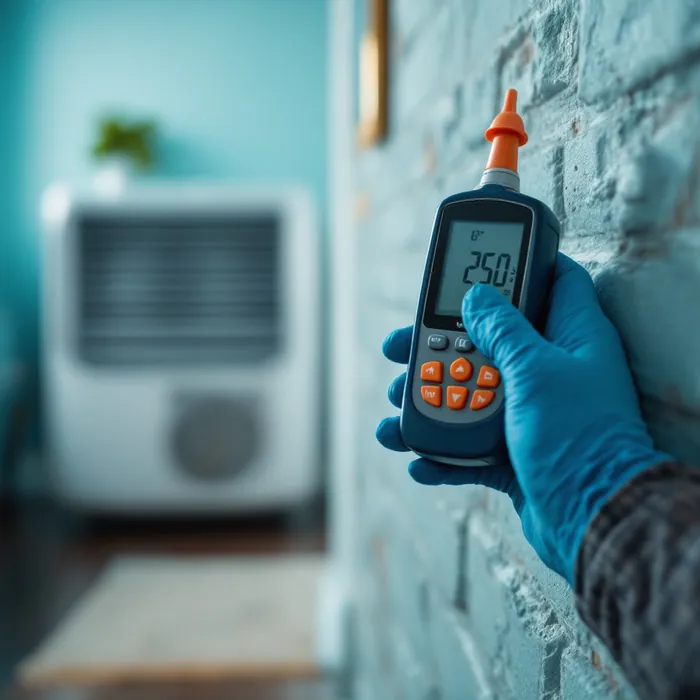
Meters and cameras find every wet spot, including the hidden moisture behind walls and under floors that a mop never reaches.
Extract the water
Truck-mounted and portable extractors pull standing water fast, the labor-heavy first hours that decide how much is saved.
Dry the structure
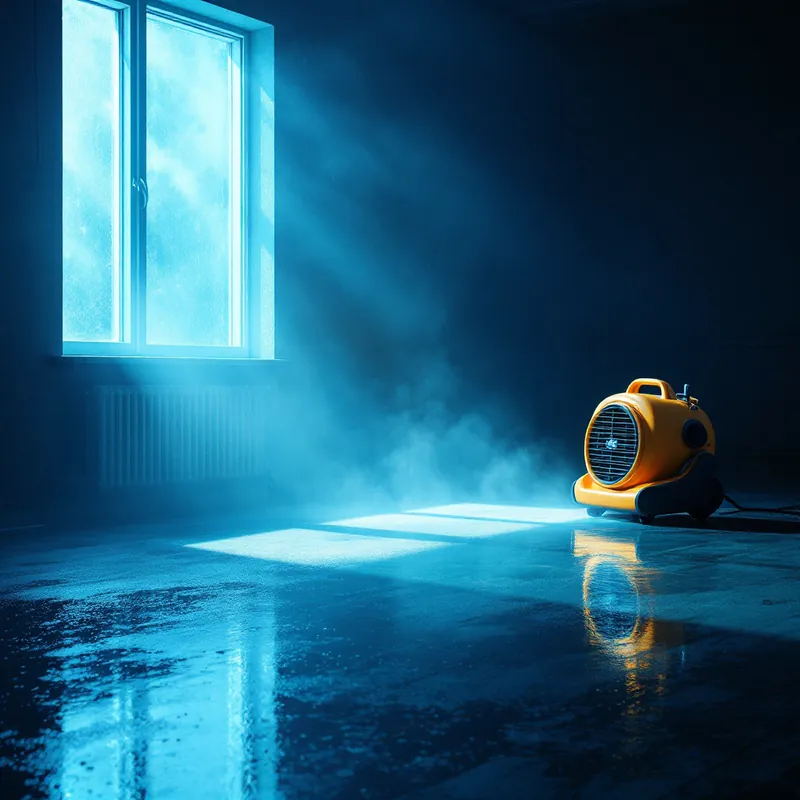
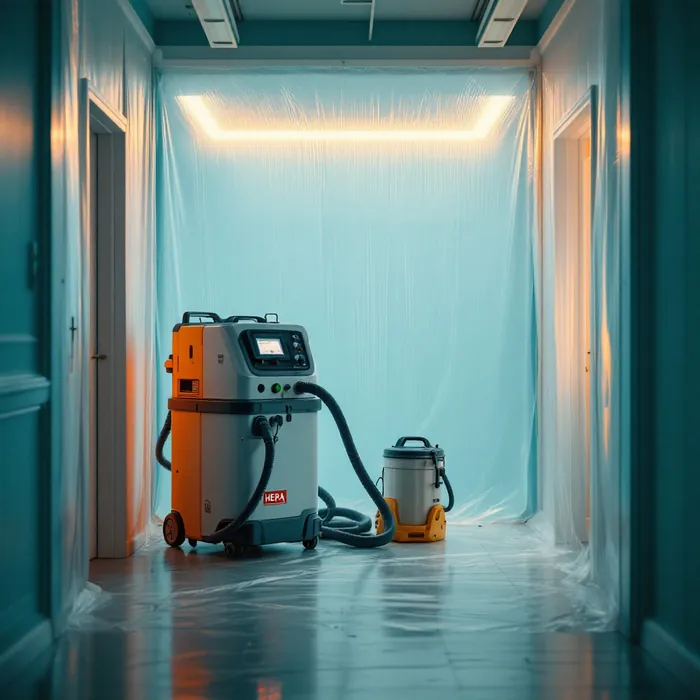
Air movers and dehumidifiers run around the clock for several days until framing, subfloor and drywall are back to dry.
Clean & treat
Antimicrobial treatment and disposal of unsalvageable materials keep mold from taking hold in the damp aftermath.
Repair & rebuild
Replacing what couldn't be saved , drywall, flooring, paint and trim, to put the room back the way it was.
Free Instant Tool
Burst pipe: is it covered & what to do
Tell us what caused the burst pipe and where it let go, and get an instant read on the water type, whether homeowners insurance is likely to cover it, and how urgent it is, plus your first move. It's a fast orientation while you call, not a quote or a coverage promise, your policy and situation decide.
Where It Burst
Where pipes burst, and what it hits
The location of the break changes what gets soaked and how hard it is to dry. These are the spots homeowners deal with most.
In a wall
A pipe burst inside a wall soaks the drywall cavity and insulation on both sides. It often has to be opened to dry the framing behind it, then closed back up.
In the ceiling
Water from a burst supply line above saturates the ceiling and drips down, see ceiling water damage for the signs and repair path.
Under the floor / slab
Leaks below flooring or in a slab are the hardest to spot and dry, often needing specialty Class 4 drying of hardwood, subfloor and concrete.
In the basement
Basements collect the water from everywhere above. A finished basement means drywall, flooring and belongings, the widest-ranging basement water cleanup.
Under a sink
A cabinet supply line or valve failure is contained but sneaky, it can run behind the cabinet and into subfloor before anyone notices.
Outdoor & main line
A burst main or outdoor spigot line can flood a crawlspace or foundation before it's ever seen inside the house, sometimes alongside storm damage in freezing weather.
What It Costs
Burst pipe repair & restoration cost
There are two bills after a burst pipe: the plumbing repair to fix the pipe, and the water damage restoration to dry and rebuild what got wet. The restoration side is the larger variable, and it's driven by how fast you acted.
The plumbing repair
Fixing the pipe itself is a plumber's job and usually the smaller cost, it's the water damage left behind that adds up.
The restoration
Extraction, days of structural drying, and any rebuild of drywall and flooring. This scales with how much area was wet and how long it sat.
The biggest lever is speed
Dried fast, most materials are saved and the job stays a dry-out. Left wet, it becomes removal and rebuild, see the full cost guide.
Who Pays
Does insurance cover a burst pipe?
Usually, because a burst pipe is the textbook example of sudden and accidental damage that homeowners policies are built to cover.
- Usually covered. The water damage from a sudden pipe burst is covered by most policies, minus your deductible, the cleanup, drying and rebuild.
- Often not covered. The pipe repair itself, and damage blamed on a slow leak you knew about or deferred maintenance, are commonly excluded.
- Coverage can hinge on heat. Some frozen-pipe claims are denied if the home was left unheated, one more reason to keep the thermostat up when away.
Protect your claim
Because payout depends on you limiting further damage, the same fast action that saves your home also protects your claim: shut the water off, photograph everything before cleanup, and get professional extraction and drying started quickly.
Get documented helpNever Again
How to prevent burst pipes
Most burst pipes are freeze-driven and preventable. A little winter prep costs almost nothing next to a flooded home.
Keep the heat on
Hold the house at 55°F or above even when you're away. A cold, empty house in winter is the classic setup for a frozen-then-burst pipe.
Let faucets drip
On the coldest nights, a slow drip from faucets fed by exposed pipes relieves pressure and keeps water moving so it can't freeze solid.
Insulate exposed pipes
Foam sleeves on pipes in attics, basements, garages and crawlspaces are cheap insurance against the spaces where pipes freeze first.
Open cabinet doors
Let warm room air reach the pipes under sinks on cold nights, especially where plumbing runs along an exterior wall.
Drain outdoor lines
Disconnect hoses and drain outdoor spigots and irrigation before the first hard freeze so trapped water can't expand and split the line.
Know your shutoff
Find your main water valve today and make sure everyone home can reach it fast. Minutes saved there are gallons kept off your floor.
How It's Dried
A burst pipe, from the break to the fix
Getting water out is only half the job, the other half is drying the structure so nothing hidden turns into mold. This is the gear a crew brings that a shop vac and fan can't replace.


FAQ
Burst pipe questions, answered
What should I do the moment a pipe bursts?
Shut off the main water valve first, then cut power to the area if water is near anything electrical. Move valuables out of the water, photograph everything for insurance, and call a 24/7 water restoration crew to extract the water and start drying before materials are lost.
How much water damage can a burst pipe do?
A lot, fast. A burst supply line can release hundreds of gallons an hour, soaking drywall, flooring, insulation and everything below within minutes. Left even a day, clean water can grow mold and degrade into a dirtier, costlier category, which is why extraction speed matters most.
Does homeowners insurance cover a burst pipe?
Usually yes. Water damage from a burst pipe is sudden and accidental, which most homeowners policies cover, minus your deductible. The pipe repair itself and damage blamed on a slow, neglected leak or lack of maintenance are often excluded. Acting fast and documenting everything protects the claim.
How long does it take to dry a house after a burst pipe?
Most homes dry in about three to five days with professional air movers and dehumidifiers, depending on how much water spread, which materials got wet, and how deeply they soaked. Hardwood, plaster and concrete take longer than drywall and carpet.
Why do pipes burst?
The most common cause is freezing, water expands as it freezes and splits the pipe. Others include corrosion and age, excessive water pressure, ground movement, and clogs that build pressure. Pipes in unheated walls, attics, basements and crawlspaces are most at risk.
Can I just clean up a burst pipe myself?
You can start, shut the water off, mop standing water and move valuables. But the water you can see is a fraction of the problem; moisture hides in walls, subfloor and insulation. Without professional extraction and drying it becomes mold and rot, so a fast dry-out is what actually limits the damage and cost.
How do I stop a pipe from bursting in winter?
Keep the house above 55°F even when away, let a faucet drip on the coldest nights, insulate pipes in unheated spaces, and open cabinet doors so warm air reaches pipes under sinks. Disconnect and drain outdoor hoses before the first freeze.
Sources & Standards
Drying and restoration follow the IICRC S500 Standard for Professional Water Damage Restoration. Frozen-pipe prevention and thawing guidance reflects the American Red Cross, Preventing and Thawing Frozen Pipes and Ready.gov winter-weather preparedness. Where water sits long enough to threaten mold, cleanup thresholds reference the US EPA and CDC. Flood-water cleanup and safety follow Ready.gov floods. Insurance notes reflect standard homeowners-policy practice and the FEMA National Flood Insurance Program; confirm specifics with your own policy. See our editorial standards.
Keep Reading
Related water damage help
Water mitigation
The fast first steps that stop a burst pipe's damage from spreading.
Restoration cost guide
What drying and rebuilding after a burst pipe actually costs in 2026.
Ceiling water damage
When a pipe bursts above you, signs, repair and structural risk.
Mold remediation
What to do if the water sat too long and mold has started.
Flood & basement
When the water ends up pooling in a finished or unfinished basement.
Water damage restoration
Our full 24/7 emergency water removal, drying and repair service.
Why the first call matters
The first-hour match — water damage is priced by the hour it sat, not by the hour you called
Standing water stops being the problem within a day. What it leaves behind — saturated drywall, wet insulation, a subfloor that keeps giving moisture back into the room — is what the invoice is actually made of, and it grows while the house looks calm.
That is not a failure of homeowners who waited. It is how the trade is arranged: you call a company, it comes when its schedule allows, and the clock keeps running in between. Our line is open every day of the year, and the call reaches an independent licensed and insured restoration company that covers your area now rather than tomorrow. We do not do the work ourselves — we are paid for the introduction, which is set out in how we make money.
Two things decide what this costs, and both are settled in the first hours. Moisture readings and photographs taken before anything is torn out are what an adjuster later accepts or disputes, and mold needs only a day or two of damp material to start. Neither waits for an appointment. And if the water came from outside — a river, a storm surge, groundwater — say so on the call. That is flood, a separate policy that a homeowners policy does not cover, and you should hear it from us before anyone arrives rather than after.