24/7 Emergency Response
Water Damage Restoration when every minute counts
Flooded basement, burst pipe, or storm damage? We connect you with IICRC-certified crews for fast water extraction, structural drying and full repair, before mold sets in.
No obligation · Insurance-friendly · Independent licensed & insured local companies
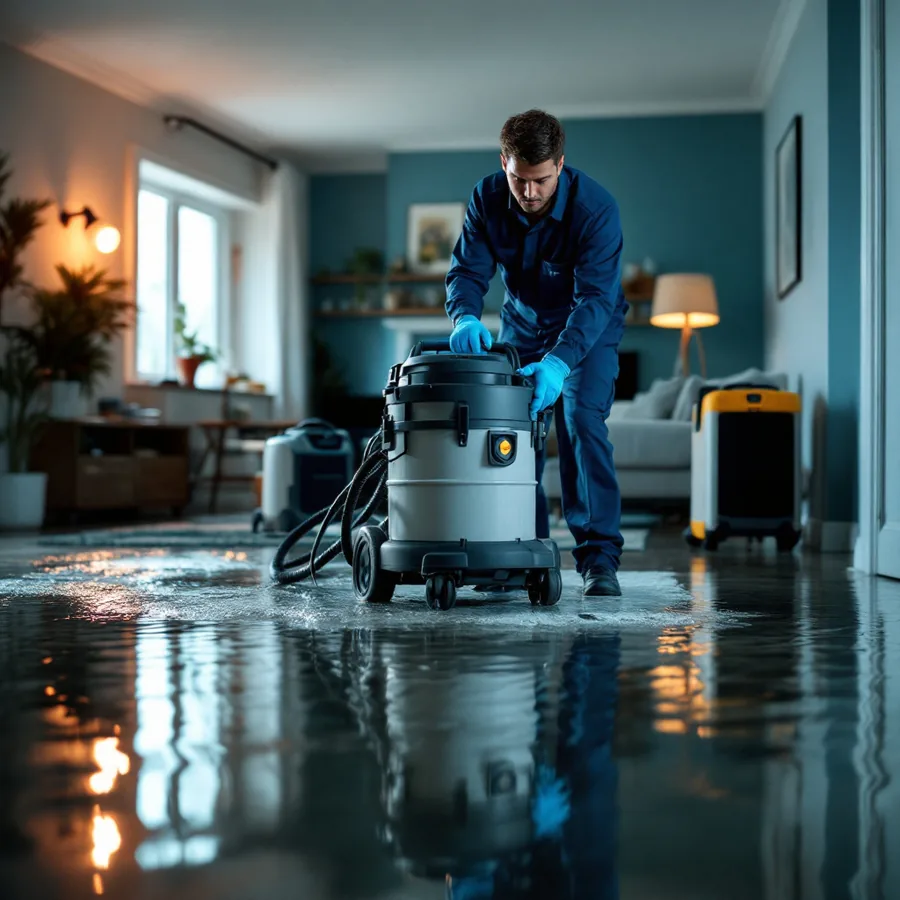 On-site extraction & drying
every day of the year
First-Response Guide
What to do in the first 60 minutes
Acting fast limits damage and protects your insurance claim. Here's exactly what to do while help is on the way.
Stop the source
Shut the main water valve. For storms, move valuables to a dry level.
Kill the power
Switch off electricity to affected rooms at the breaker before entering standing water.
Document it
Photograph and video everything before you move items, your insurer will need proof.
Call for extraction
Reach a 24/7 crew now. Mold can start within 24–48 hours in damp materials.
Our Services
Full water damage restoration, start to finish
One call covers extraction, drying, sanitizing and rebuild. Choose your situation:
Water Damage Restoration
Extraction, structural drying and repair after any indoor water event.
Get help →Flood & Basement Cleanup
Standing-water removal, drying and sanitizing for flooded basements.
Get help →Storm Damage Restoration
Roof, wind and rain intrusion, tarping, dry-out and restoration.
Get help →Mold Remediation
Containment, removal and air scrubbing when moisture led to mold.
Get help →Sewage Cleanup
Category-3 black-water extraction with full sanitizing and safety gear.
Get help →Water Mitigation & Drying
Air movers, dehumidifiers and moisture monitoring to stop further loss.
Get help →Water Extraction
Truck-mounted and submersible removal of standing water, fast.
Get help →Ceiling Water Damage
Leaks from above, safe dry-out and repair of stained, sagging ceilings.
Get help →By Situation
Water damage by cause
Every water emergency starts differently, and each one is handled, and covered, its own way. Jump straight to yours.
Where We Work
Local water damage help
We connect you with 24/7 crews across the U.S., with in-depth local guides where the water risk runs highest.
Spot It Early
Signs of water damage, visible and hidden
Water travels fast and hides inside walls, subfloors and insulation, so the worst damage is often the part you can't see. Catching it early is the difference between a quick dry-out and a costly rebuild with mold.
Visible clues
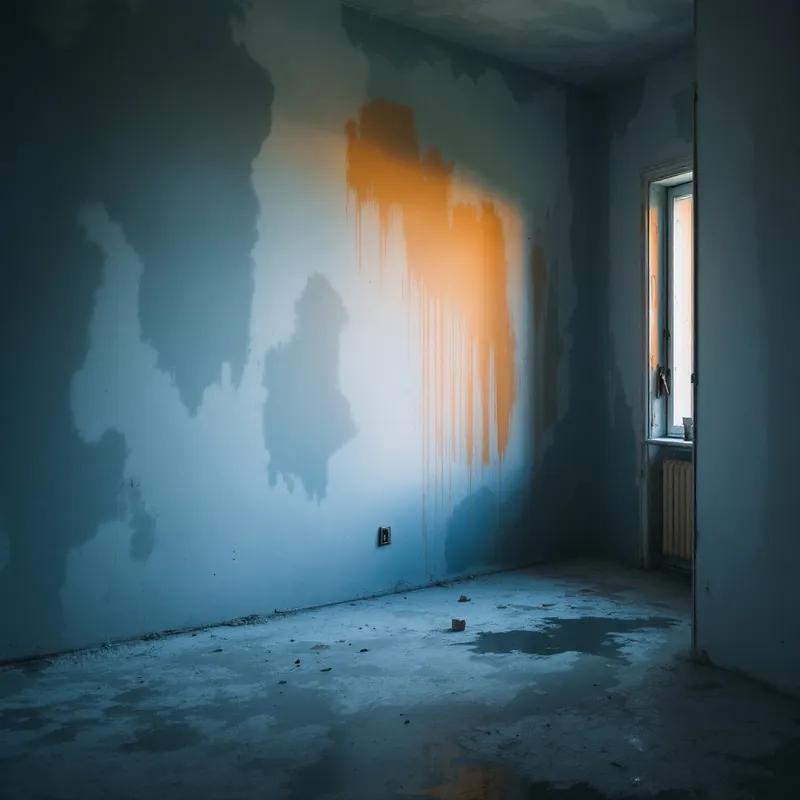
Staining or discoloration on walls and ceilings, peeling paint, warped or cupping hardwood, swollen baseboards and buckling laminate flooring.
Smell & air
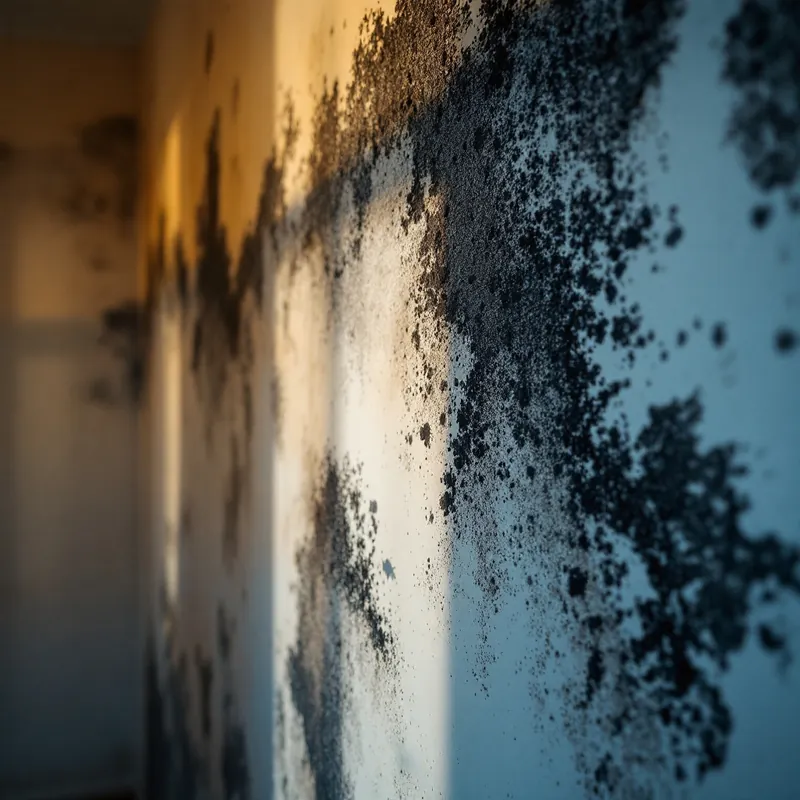
A persistent musty, earthy odor is often the first sign of hidden moisture and early mold growth behind drywall, even when nothing on the surface looks wet.
Hidden moisture
A spiking water bill, damp or cold patches on the floor, condensation on windows, and soft or sagging drywall all point to water trapped inside the structure.
Noticed any of these after a leak, storm or appliance failure? Don't wait, trapped moisture keeps damaging materials and can start mold within 24–48 hours. Your moisture inspection and estimate are always free.
Free Estimate Tool
Estimate your restoration cost
A quick ballpark based on water category, affected area and drying class. A certified crew confirms the exact price on inspection, the estimate is always free.
Estimated range
Category 1 · 400 sq ft · Class 2
Get exact quote, call now Methodology: our range blends published IICRC-based per-sq-ft restoration rates by water category and drying class. Actual cost varies with materials, access and hidden moisture. Not a binding quote.What affects your restoration cost
- Water category. Clean (Category 1) water costs the least. Grey (Category 2) and black/sewage (Category 3) water need extra sanitizing, protective equipment and often removal of porous materials.
- Area & class. The square footage affected and how deeply water saturated your materials (Class 1–4) determine how much equipment runs and how many days drying takes.
- Materials. Hardwood, plaster, tile and concrete hold water far longer than drywall and carpet; some saturated porous materials must be removed and rebuilt rather than dried.
- Mold. If moisture sat longer than 24–48 hours, containment and remediation add to the scope of work.
- Mitigation vs. Rebuild. Emergency extraction and structural drying (mitigation) is billed separately from the rebuild phase that replaces drywall, flooring and paint.
Know the Risk
The 3 categories of water damage
Category determines what can be saved, the safety gear required, and your cost, it's the single most important factor.
| Category | Source | Health risk | What's usually restorable |
|---|---|---|---|
| Cat 1, Clean | Supply line, faucet, rainwater | Low | Most materials, if dried fast |
| Cat 2, Grey | Washing machine, dishwasher, sump overflow | Moderate | Many materials with sanitizing |
| Cat 3 , Black | Sewage, river/flood water, toilet backflow | High, biohazard | Non-porous only; porous removed |
The 4 classes of water damage
Category describes how contaminated the water is; class describes how much water is present and how hard it is to dry, which sets the drying equipment and the number of days needed.
Class 1 & 2
Class 1 is minimal water with little absorption, part of a room. Class 2 affects a whole room, with carpet, pad and walls wicking water up 12–24 inches. Both dry relatively quickly.
Class 3
Water that came from overhead, saturated ceilings, walls, insulation and subfloor. This is the most water to remove and calls for heavy air movement and industrial dehumidification.
Class 4
Specialty drying for water bound in low-permeance materials like hardwood, plaster, stone and concrete. It needs longer, carefully monitored drying with specialized equipment and desiccants.
How It Works
Our 5-step restoration process
Inspection
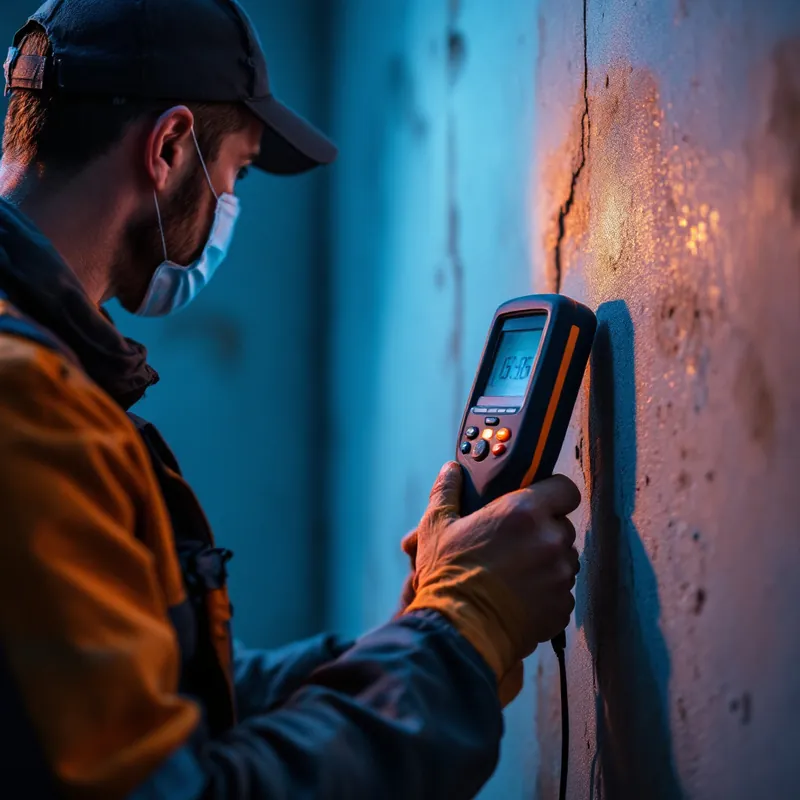
Moisture meters and thermal imaging map hidden water and set the water category and drying class.
Extraction
Truck-mounted and portable pumps and wet-vacuums pull out standing water fast, before it spreads.
Drying
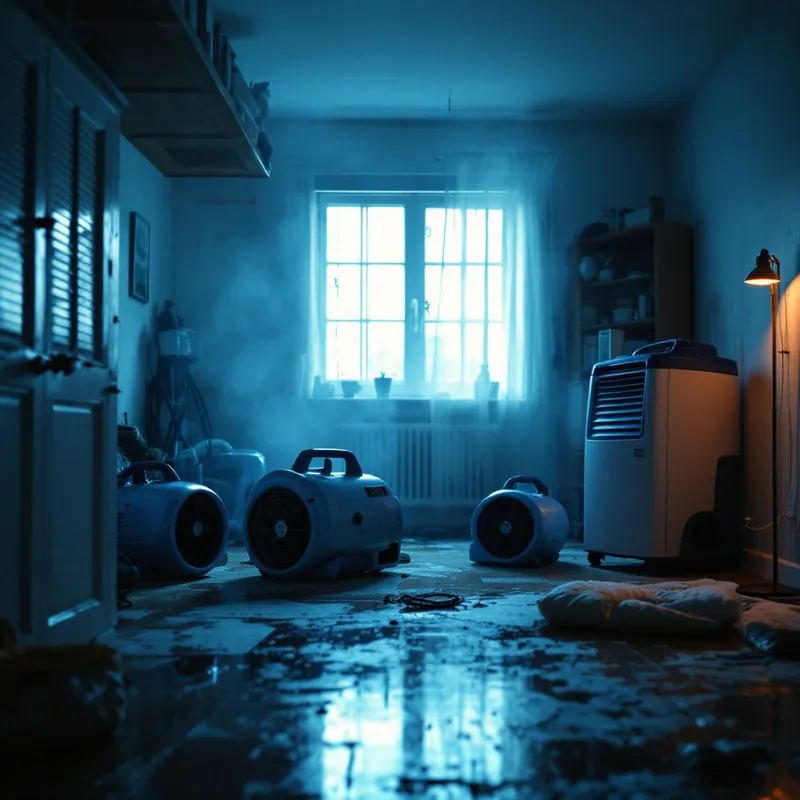
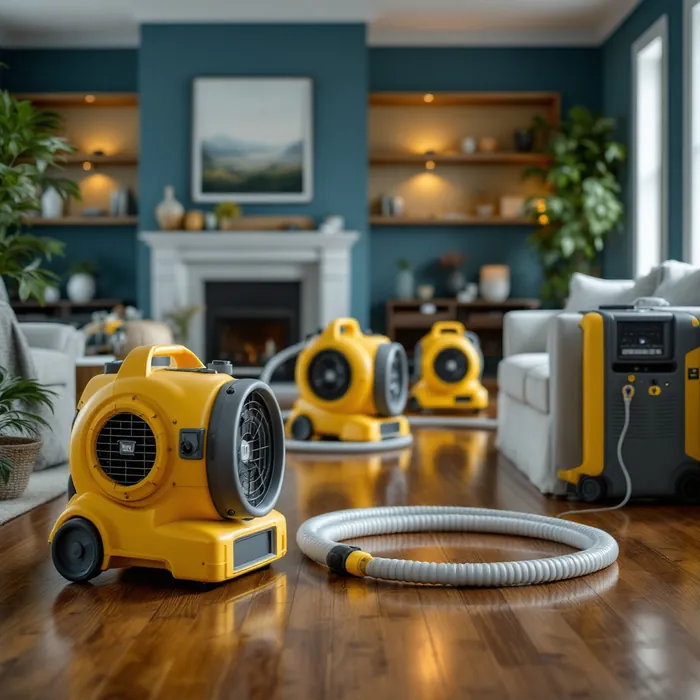
Commercial air movers and dehumidifiers pull moisture out of framing, subfloor and drywall, monitored daily.
Sanitizing
Antimicrobial treatment, HEPA air scrubbing and odor control, critical for grey and black-water losses.
Restoration
Once materials read dry, the crew rebuilds , drywall, flooring, trim and paint, back to pre-loss condition.
Insurance & Cost
We work with your insurance
Sudden, accidental water damage, a burst pipe, failed appliance or storm intrusion, is typically covered by homeowners insurance. Gradual leaks and outside flooding usually are not (flooding needs a separate flood policy).
- Documentation: crews photograph and itemize damage for your claim.
- Direct billing: crews bill your carrier directly where possible.
- Adjuster-ready: moisture logs and scope reports the adjuster expects.
Is it covered?
| Burst / frozen pipe | Usually yes |
| Appliance failure | Usually yes |
| Storm rain intrusion | Often yes |
| Gradual/unrepaired leak | Often no |
| Outside flooding | Flood policy |
How a water damage insurance claim works
Document & call
Photograph and video everything before any cleanup, then call your insurer to open a claim and get your claim number. Emergency mitigation can start right away, policies require you to prevent further damage.
Inspection & scope
The crew records moisture readings, affected materials and a line-item scope of work. An adjuster may inspect the loss; our documentation is written in the format adjusters expect.
Billing & rebuild
Where the carrier allows, crews bill the insurer directly, so you mainly cover your deductible. Once everything is dry, the rebuild phase restores your home to its pre-loss condition.
Sudden vs. Gradual is the key distinction. Homeowners policies cover sudden, accidental water damage, a pipe bursts, a supply hose fails, a storm drives rain inside. Damage from a slow, long-ignored leak or deferred maintenance is usually denied, and flooding that rises from outside needs a separate FEMA/NFIP flood policy.
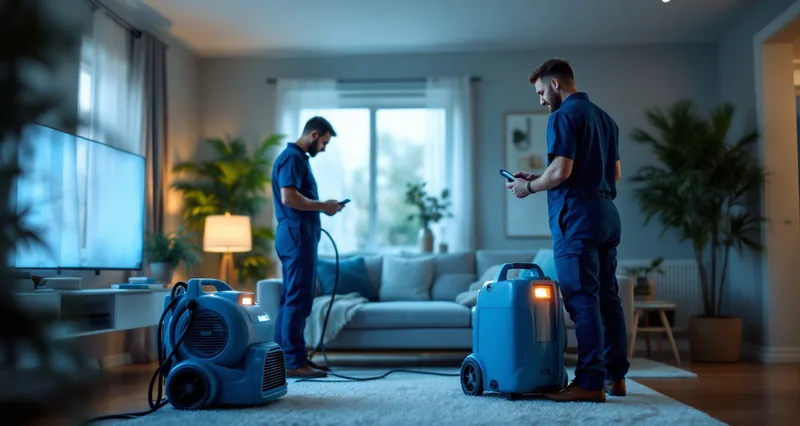 Certified crews & pro-grade equipment
Why FloodGuard Pros
Certified crews, held to standards
Every call routes to independent restoration companies that work to IICRC S500 standards, not a random handyman. You get pro-grade drying equipment, documented moisture logs, and insurance-ready reporting.
Pro-Grade Equipment
The equipment that gets your home dry
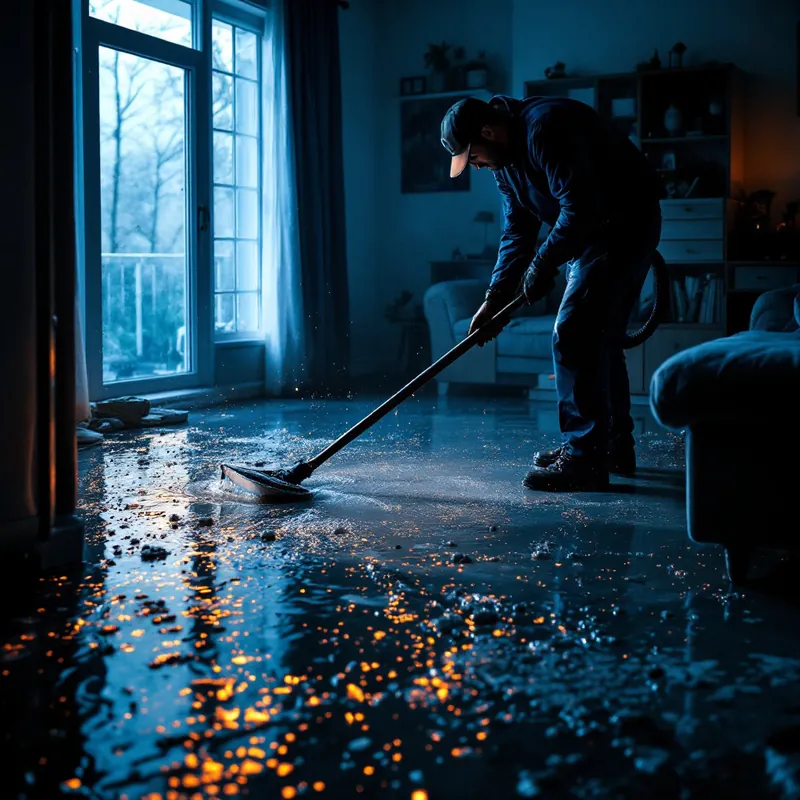
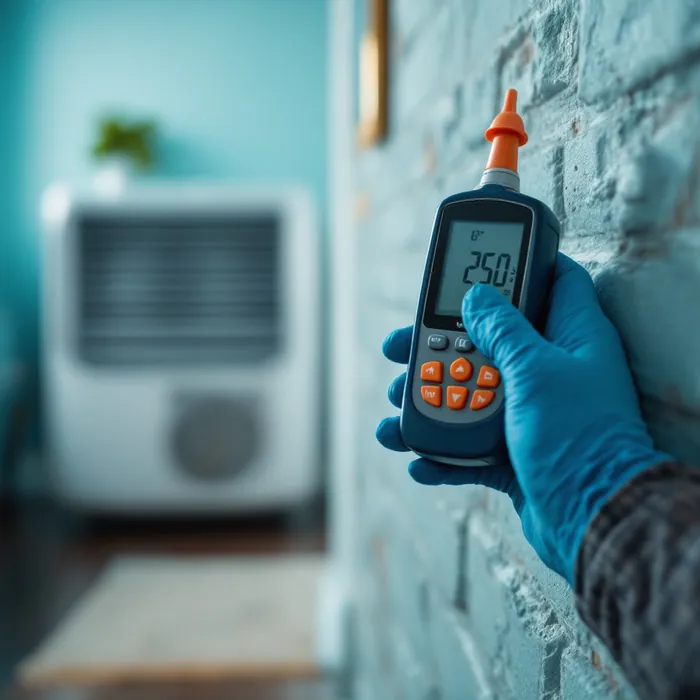
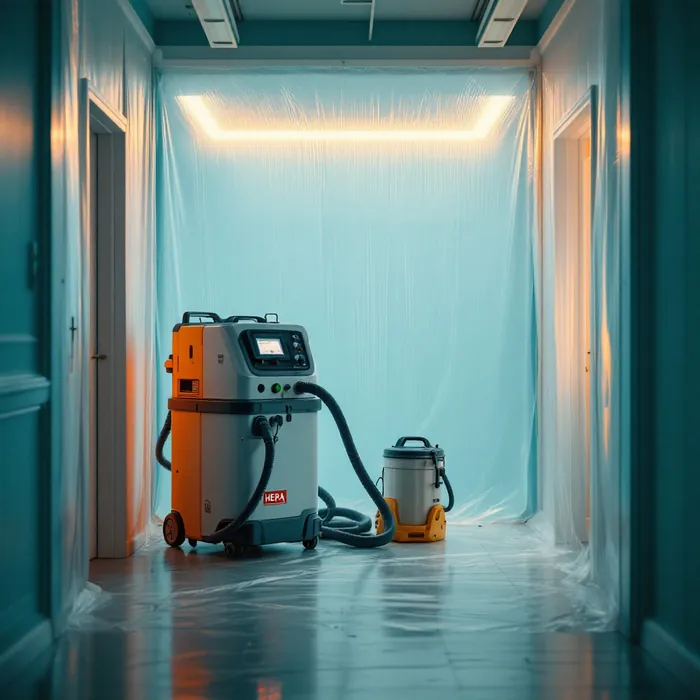
Water damage restoration isn't a shop-vac and a box fan. Crews arrive with commercial drying and air-quality equipment sized to the loss, and monitor it daily until the structure reads dry.



FAQ
Water damage questions, answered
Can water damage be restored?
Most water damage is restorable if extraction and drying begin quickly. Category 1 (clean) and Category 2 (grey) water are usually restorable; Category 3 (black) water often requires removing porous materials like carpet and drywall.
What should I do immediately after water damage?
Stop the source, cut power to affected areas, document the damage for insurance, then call a 24/7 restoration crew before mold sets in (24–48 hours).
Does homeowners insurance cover water damage?
Sudden and accidental water damage (burst pipe, appliance failure, storm) is typically covered. Gradual leaks and flooding from outside usually are not, flooding needs separate flood insurance.
How much does water damage restoration cost?
It depends on water category, affected area and drying class. Use the estimate tool above for a range; a certified crew confirms the exact price on inspection.
Can I repair water damage myself?
Small clean-water spills can be dried with fans and a dehumidifier. Grey or black water, hidden moisture in walls or subfloor, and anything over ~48 hours needs professional extraction to prevent mold and structural damage.
How long does water damage restoration take?
Extraction is usually done the same day. Structural drying typically runs 3–5 days depending on the class of water, the materials involved and humidity, hardwood and plaster (Class 4) take longer. Any rebuild of drywall, flooring or paint happens after the structure reads dry.
What is Category 3 (black) water?
Category 3 is grossly contaminated water, sewage backups, toilet overflow past the trap, and river or flood water. It can carry bacteria and pathogens, so crews use protective equipment, remove and dispose of saturated porous materials, and disinfect everything before drying and rebuild.
Does homeowners insurance cover mold from water damage?
If the mold results directly from a covered sudden water event and you acted promptly, remediation is often covered, which is why fast documentation and drying matter. Mold from a long-neglected leak or ongoing humidity is typically excluded. Check your specific policy limits.
How soon do I need to act after water damage?
Immediately. Materials keep absorbing water every hour, and mold can begin growing in 24–48 hours. The faster extraction and drying start, the more of your home is restorable rather than replaced, and the stronger your insurance claim.
Do you handle both the drying and the repairs?
Yes. One call covers the full path: inspection, water extraction, structural drying and sanitizing (mitigation), then the rebuild that restores drywall, flooring and finishes to pre-loss condition.
Sources & Standards
Water categories & drying classes follow the IICRC S500 standard. Mold guidance: US EPA , Mold and CDC, Mold. Flooding & insurance: FEMA , Flood Insurance and Ready.gov, Floods. Health & safety after a flood: CDC, Floods.
Why the first call matters
The first-hour match — water damage is priced by the hour it sat, not by the hour you called
Standing water stops being the problem within a day. What it leaves behind — saturated drywall, wet insulation, a subfloor that keeps giving moisture back into the room — is what the invoice is actually made of, and it grows while the house looks calm.
That is not a failure of homeowners who waited. It is how the trade is arranged: you call a company, it comes when its schedule allows, and the clock keeps running in between. Our line is open every day of the year, and the call reaches an independent licensed and insured restoration company that covers your area now rather than tomorrow. We do not do the work ourselves — we are paid for the introduction, which is set out in how we make money.
Two things decide what this costs, and both are settled in the first hours. Moisture readings and photographs taken before anything is torn out are what an adjuster later accepts or disputes, and mold needs only a day or two of damp material to start. Neither waits for an appointment. And if the water came from outside — a river, a storm surge, groundwater — say so on the call. That is flood, a separate policy that a homeowners policy does not cover, and you should hear it from us before anyone arrives rather than after.