Emergency Water Extraction
Water Extraction: get standing water out fast
Water extraction is the first and most important step after any flood or major leak, the faster the water is pumped and pulled out, the less your home soaks up and the less mold follows. Our crews arrive with truck-mounted extractors and pumps, 24/7 across the US, and the inspection is free.
No obligation · Insurance-friendly · Independent licensed & insured local companies
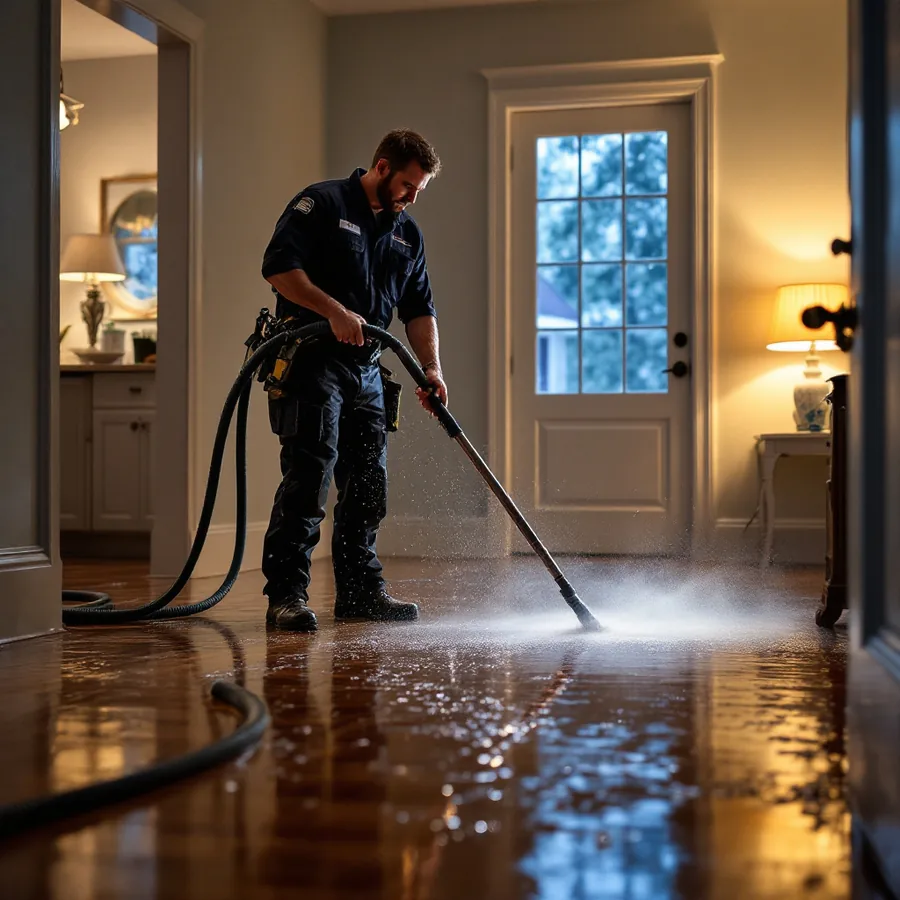 The first hours save the most
every day of the year
Every hour standing water sits, more of your home crosses from "dry and save" to "remove and replace." If there's real standing water, call us now. New to us? See how we work.
The Basics
What is water extraction?
Water extraction is the removal of standing and absorbed water from your property after a flood or major leak, using pumps and powerful extractors. It's the critical first move, everything else in restoration depends on getting the water out first.
Standing water first
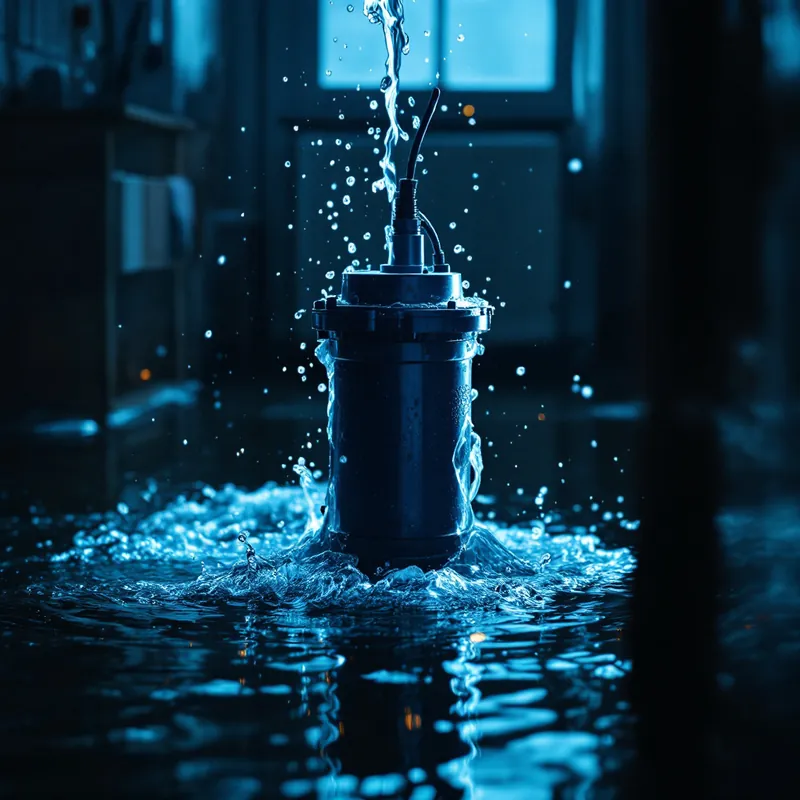
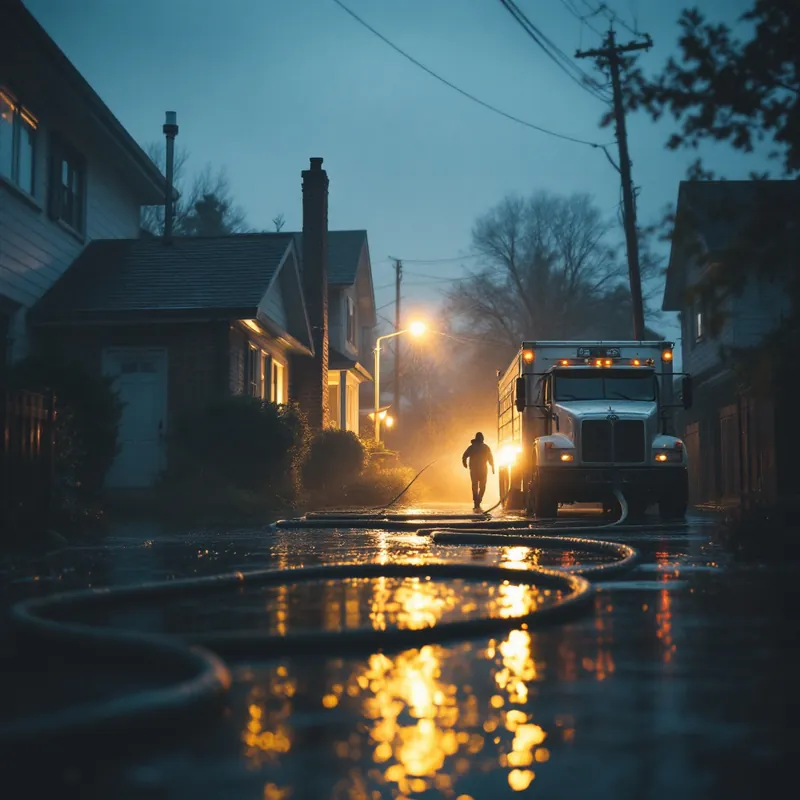
Submersible pumps clear deep water , a flooded basement or several inches on a floor, moving the volume no vacuum could handle.
Then the absorbed water
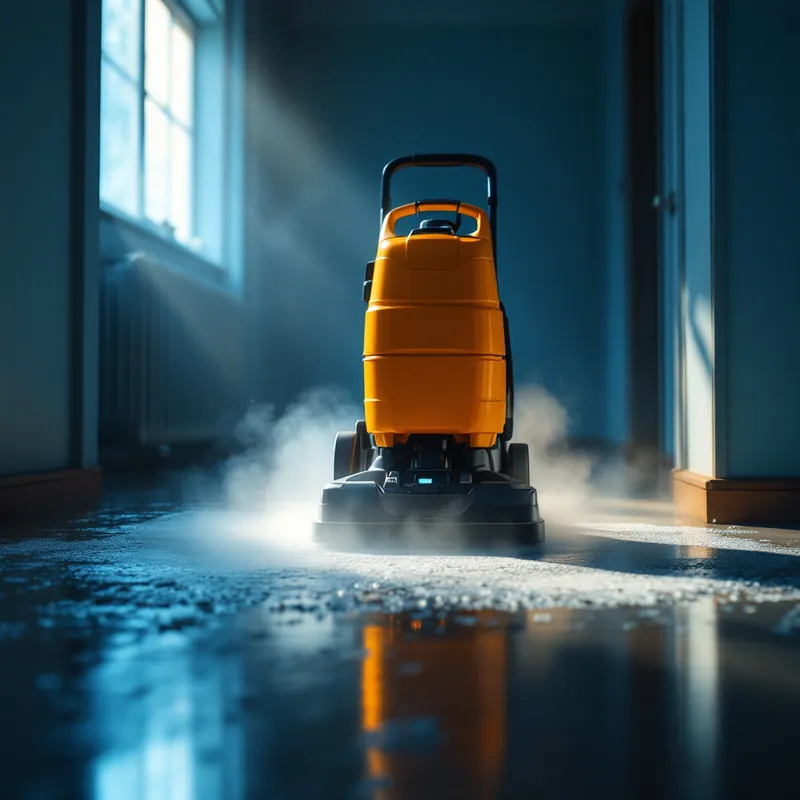
Truck-mounted and portable extractors pull water out of carpet, pad and hard floors, recovering far more than the surface you can see.
Find the hidden water
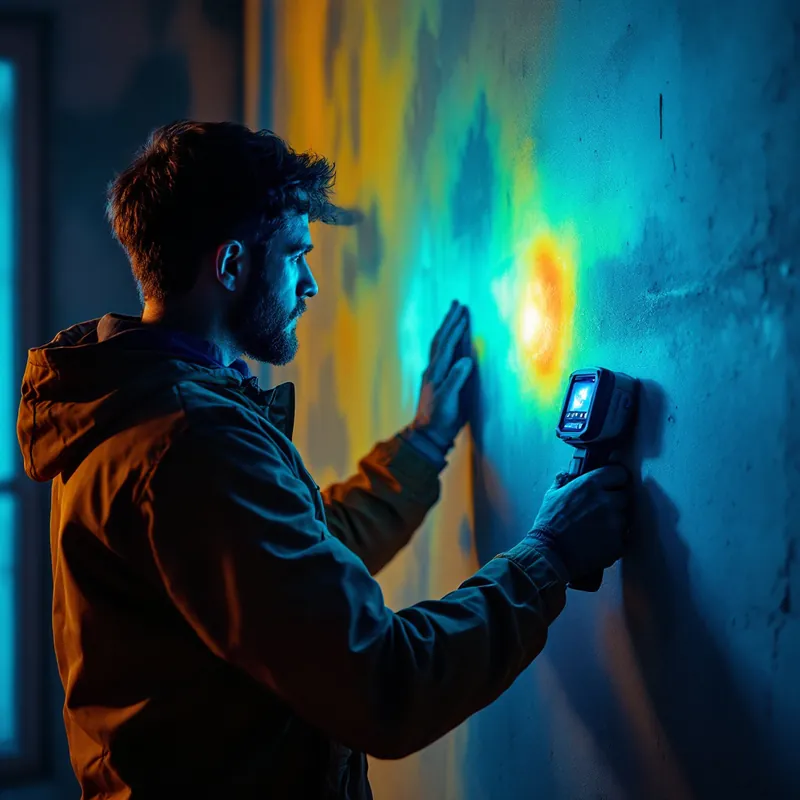
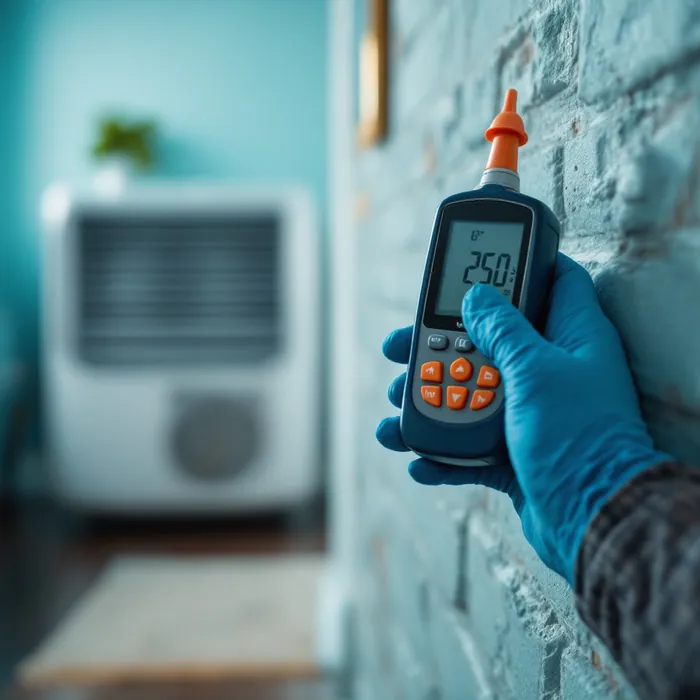
Moisture meters and cameras locate water that wicked into walls, subfloor and cavities, the water that turns into mold if it's missed.
Where It Fits
Extraction vs. Mitigation vs. Restoration
These three words get used interchangeably, but they're three stages in order, and extraction is the one that has to come first.
- Extraction. Removing the water itself, pumps and extractors. The emergency first step.
- Mitigation. The wider emergency phase, extraction plus drying and stabilizing the property to stop further damage.
- Restoration. The full repair afterward, replacing drywall, flooring and rebuilding to put the home back.
Why order matters
You can't dry a room that's still holding standing water, and you can't rebuild what isn't dry. Skip or delay extraction and every stage after it costs more. That's why the call you make in the first hour matters most.
Start with extractionWhen To Call
When you need emergency water extraction
A little clean water you can mop. Past that, the cost of leaving it is far higher than the cost of the crew, these are the situations that need professional extraction now.
Standing water anywhere
Several inches , or even one, pooled on a floor, in a basement or across a room. Standing water is soaking in every minute it sits.
A burst pipe or appliance
A burst pipe or failed appliance that released a lot of water fast, especially onto multiple rooms or lower floors.
Storm or flood water
Water that came in from a storm, roof leak or outside flooding, often contaminated and always urgent.
A sewer backup
Any sewage water is a biohazard, never a DIY job. It's extracted and disinfected with protective equipment.
Water you can't fully reach
Water under flooring, behind walls or in a crawl space, the parts a mop can't touch and a meter has to find.
It sat overnight
If the water has been there hours or more, mold risk is climbing, extraction plus drying is what stops it becoming a remediation job.
How It Works
The water extraction process
Assess & make safe
The crew confirms power is safe, identifies the water category, and maps the affected area before extraction starts.
Pump standing water
Submersible pumps clear deep water fast, moving the bulk volume out of basements and flooded rooms.
Extract from materials
Truck-mounted and portable extractors pull water from carpet, pad and hard floors down to the last recoverable drop.
Find hidden moisture
Meters and cameras locate water in walls, subfloor and cavities so nothing wet is left behind to grow mold.
Hand off to drying
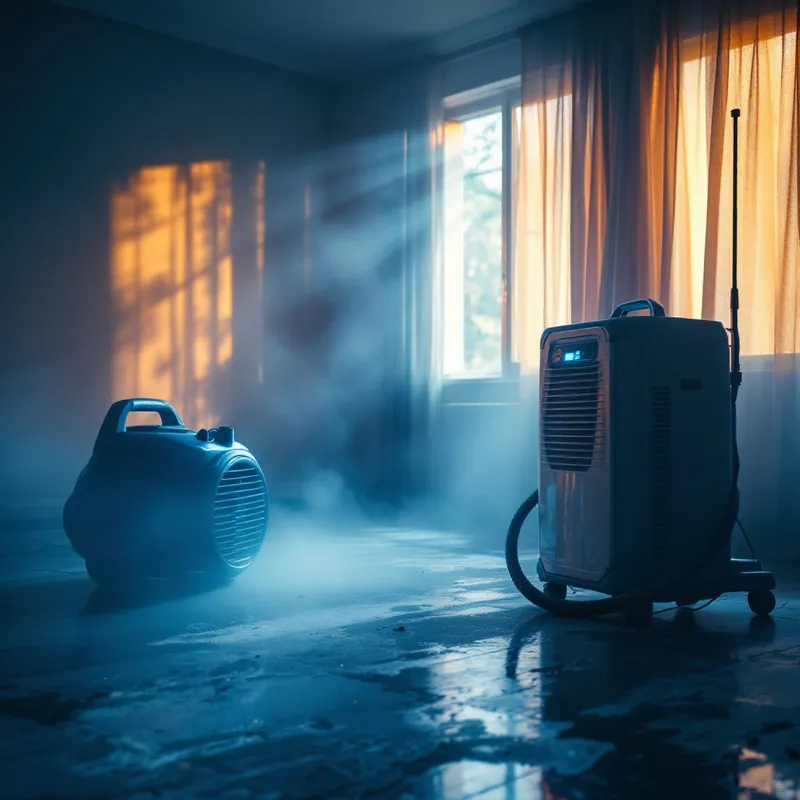
With the water out, air movers and dehumidifiers take over to dry the structure, extraction and drying as one continuous job.
Free Instant Tool
Do you need emergency water extraction?
Tell us how much water there is and what kind, and get an instant read on how urgent it is, whether it's safe to handle yourself, and what actually removes it. It's a fast orientation while you decide who to call, not a quote or a coverage promise, and your policy and situation decide.
DIY Or Call?
Can I extract the water myself?
Sometimes, but the line is clear, and getting it wrong turns a drying job into a mold job.
DIY can handle
A small clean-water spill, caught immediately, that you can pull up with a wet/dry vac and dry with fans and a dehumidifier within a day.
Call a pro for
Standing water, a large area, contaminated water, water that sat overnight, or anything you can't fully reach and dry. A shop vac can't move the volume or find the hidden water.
What a pro removes that you can't
Truck-mounted power pulls water deep from pad and subfloor, and moisture mapping finds the water in walls that a DIY dry-out leaves behind to become mold.
What It Costs
Water extraction cost
Extraction is usually the first line on a water damage bill, and it's money well spent, every gallon pulled now is material saved and mold avoided later. Cost tracks the volume and how contaminated the water is.
Clean water, small area
A single room of clean standing water extracted fast, the least expensive scenario.
Large or deep volume
A flooded basement or multiple rooms needs pumps and more crew time to clear the volume.
Contaminated water
Grey or black water adds protective equipment and disposal. Extraction is one line, see the full cost guide including drying and rebuild.
The Gear
Water extraction, from standing water to dry
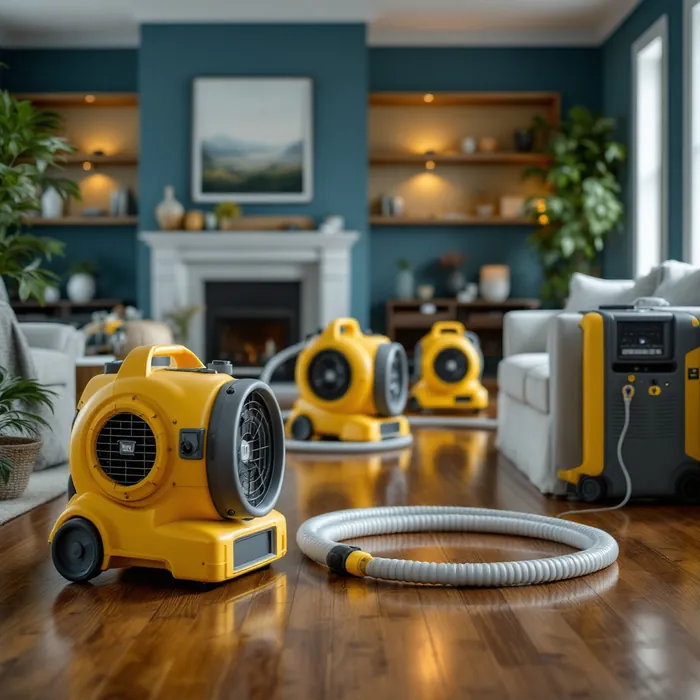
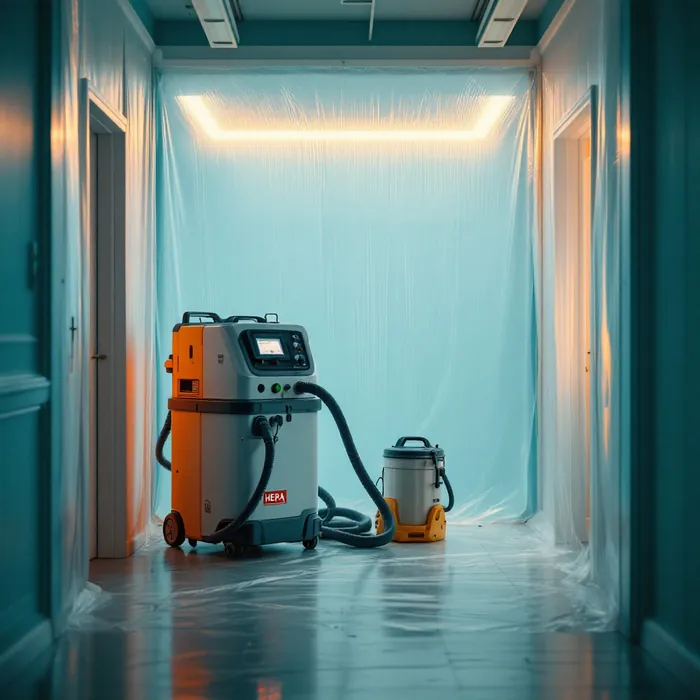
Extraction power is what separates a professional response from a shop vac. Pumps to move the volume, extractors to pull the absorbed water, and meters to find what's hidden.


FAQ
Water extraction questions, answered
What is water extraction?
Water extraction is the removal of standing and absorbed water from a property after flooding or a leak, using submersible pumps, truck-mounted units and portable extractors. It's the critical first step of water damage restoration, the faster the water is out, the less structural damage and mold follow.
What is the difference between water extraction, mitigation and restoration?
Extraction is removing the water. Mitigation is the wider emergency phase that includes extraction plus drying and stabilizing the property to stop further damage. Restoration is the full repair afterward, drywall, flooring and rebuild. Extraction comes first; without it, drying and restoration can't work.
How fast do I need water extracted?
As fast as possible. Materials soak more the longer water sits, clean water can turn contaminated, and mold begins within 24 to 48 hours. Emergency crews extract 24/7 because the first hours decide how much of the property is saved versus replaced.
Can I extract the water myself?
A small amount of clean water can be handled with a wet/dry vac and mops. Several inches, a large area, or any contaminated water needs professional extraction, truck-mounted units pull far more water than a shop vac, and pros also find the hidden water in walls and subfloor that causes mold.
What equipment is used for water extraction?
Submersible pumps move deep standing water, truck-mounted and portable extractors pull water from floors, carpet and pad, and moisture meters find hidden water. After extraction, air movers and dehumidifiers dry what's left, extraction and drying are two connected stages.
What happens after water extraction?
Once the standing water is out, the structure is dried with air movers and dehumidifiers, unsalvageable materials are removed, contaminated areas are disinfected, and everything is dried to normal moisture levels before any rebuild. Extraction only removes the water you can see; drying handles what soaked in.
Does insurance cover water extraction?
When the water damage is from a covered cause , a sudden burst pipe or appliance failure, extraction and drying are typically part of the covered claim, minus your deductible. Because your policy requires you to prevent further damage, prompt extraction also helps protect the claim.
Sources & Standards
Extraction, drying and the salvage-or-replace decision follow the IICRC S500 Standard for Professional Water Damage Restoration. Flood-cleanup and mold-prevention guidance references Ready.gov, the US EPA, CDC and NWS flood safety; flood-insurance rules reflect the FEMA National Flood Insurance Program. See our editorial standards.
Keep Reading
Related water damage help
Water mitigation
The full emergency phase, extraction plus drying and stabilizing.
Flooded basement
The most common place standing water needs pumping out.
Wet carpet
Extracting water from carpet and pad before it's lost to mold.
Sewage cleanup
Extraction and disinfection when the water is contaminated.
Restoration cost guide
Where extraction fits in the total cost of a water loss.
Water damage restoration
Our full 24/7 emergency water removal, drying and repair service.
Every gallon out now is material saved later
Get the water extracted now
A certified crew arrives with pumps and truck-mounted extractors, clears the water and moves straight into drying, on call 24/7 across the US.
Call (888) 217-7423Why the first call matters
The first-hour match — water damage is priced by the hour it sat, not by the hour you called
Standing water stops being the problem within a day. What it leaves behind — saturated drywall, wet insulation, a subfloor that keeps giving moisture back into the room — is what the invoice is actually made of, and it grows while the house looks calm.
That is not a failure of homeowners who waited. It is how the trade is arranged: you call a company, it comes when its schedule allows, and the clock keeps running in between. Our line is open every day of the year, and the call reaches an independent licensed and insured restoration company that covers your area now rather than tomorrow. We do not do the work ourselves — we are paid for the introduction, which is set out in how we make money.
Two things decide what this costs, and both are settled in the first hours. Moisture readings and photographs taken before anything is torn out are what an adjuster later accepts or disputes, and mold needs only a day or two of damp material to start. Neither waits for an appointment. And if the water came from outside — a river, a storm surge, groundwater — say so on the call. That is flood, a separate policy that a homeowners policy does not cover, and you should hear it from us before anyone arrives rather than after.