Flooded Basement
Flooded Basement? Stay safe, then call
A flooded basement is two emergencies at once, an electrical hazard and a water disaster. Don't step into standing water until the power is off. Then get it pumped out and dried fast, before it takes your drywall, belongings and air quality with it. We connect you with crews dispatching 24/7 across the US.
No obligation · Insurance-friendly · Independent licensed & insured local companies
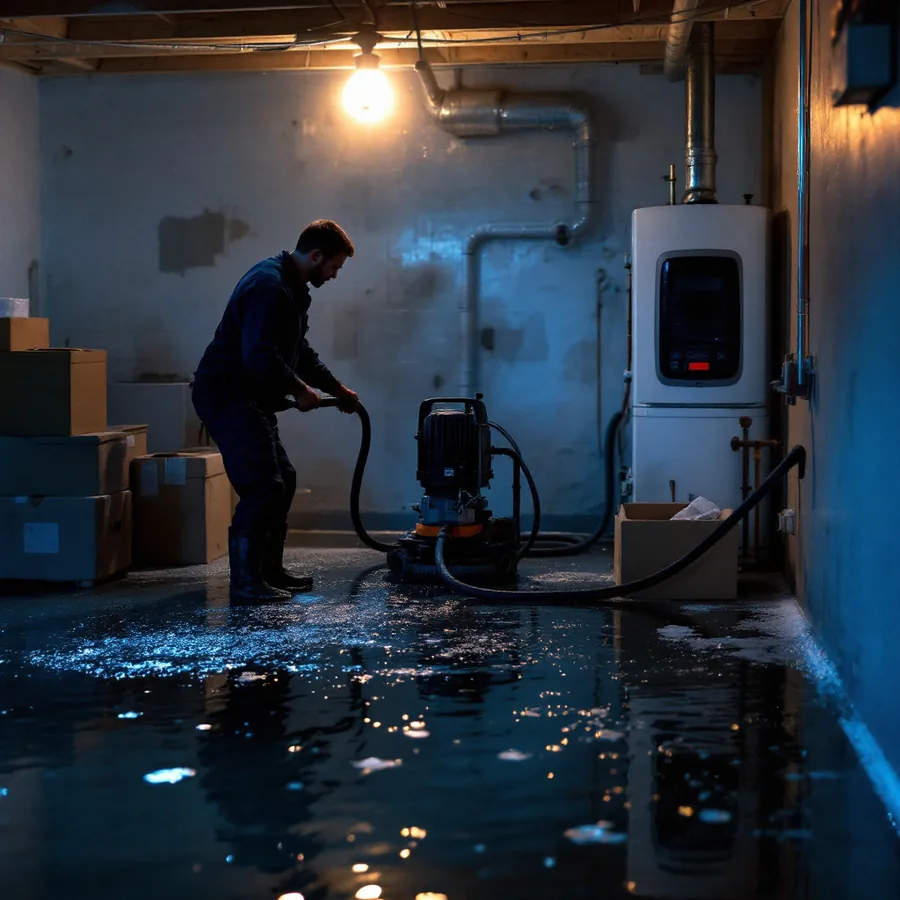 Power off before anyone steps in
every day of the year
Basements collect the water from the whole house, so a flood here is rarely small. If there are several inches, or the water is from a sewer or storm, call us and stay out of it. New to us? See how we work.
Do These First
What to do when your basement floods
Safety comes before cleanup. A basement full of water and live electricity is dangerous, work through these in order.
1. Don't enter the water
Submerged outlets, appliances and wiring can electrify standing water. Do not step in until the power is off, this is the one rule that saves lives.
2. Cut power & gas
If you can reach the breaker panel without standing in water, shut off power to the basement. If the panel is in the water, call an electrician or your utility. Shut off gas if you smell it.
3. Stop the source
Shut the main water valve if it's a plumbing failure. For rain or groundwater, it keeps coming until it's pumped and the entry point is dealt with.
4. Document it
Photograph and video the water level and damaged items before anything is moved, the backbone of your insurance claim.
5. Call for pump-out
Call a 24/7 crew to pump out and extract the water. Fast removal limits structural damage and the mold that follows.
6. Dry & disinfect
Once pumped, the basement is dried with air movers and dehumidifiers, disinfected if the water was dirty, and checked for hidden moisture in walls and subfloor.
Don't wade into a flooded basement to check, call first
Call (888) 217-7423Why It's Dangerous
The real dangers of a flooded basement
A flooded basement isn't just a cleanup, it carries three hazards that make going in yourself risky.
- Electrocution. Water in contact with outlets, the furnace, the water heater or wiring can be live. Power off is non-negotiable before entry.
- Contamination. If the water came from a sewer backup or outside flooding, it's Category 3 black water, a biohazard that needs disinfection, not just drying.
- Mold & air quality. A damp basement grows mold within 24–48 hours, and because basements feed air upward, that affects the whole house.
When to call, not clean
A cup of clean water you can mop. Several inches, any sewage or storm water, or water near the electrical panel or furnace is a call, not a DIY, the risk of getting it wrong is far higher than the cost of the crew.
Get emergency helpWhy It Happened
Why did my basement flood?
The cause matters, it tells you whether the water is clean or contaminated, whether insurance is likely to cover it, and how to stop it happening again.
Heavy rain & groundwater
A downpour that overwhelms the soil and drainage pushes groundwater through the floor and walls, the most common cause, and often not covered without flood insurance.
Sump pump failure
A sump pump that failed, jammed, lost power in the storm, or was simply overwhelmed lets the water it should be ejecting flood the basement instead.
Sewer & drain backup
A sewer backup pushes contaminated black water up through floor drains, the most hazardous kind of basement flood.
Foundation & wall cracks
Cracks in the foundation or walls, and gaps where pipes enter, give groundwater a path in during wet weather.
Burst pipe or water heater
A burst pipe or a failed water heater in the basement can flood it with clean water fast, usually a covered claim.
Poor grading & gutters
Ground that slopes toward the house, or clogged and short downspouts, dump roof and yard water right against the foundation.
The Restoration Side
How a flooded basement is pumped out and dried
Make it safe
Power is confirmed off and the water category is assessed , clean, grey or contaminated black water, before anyone enters.
Pump & extract
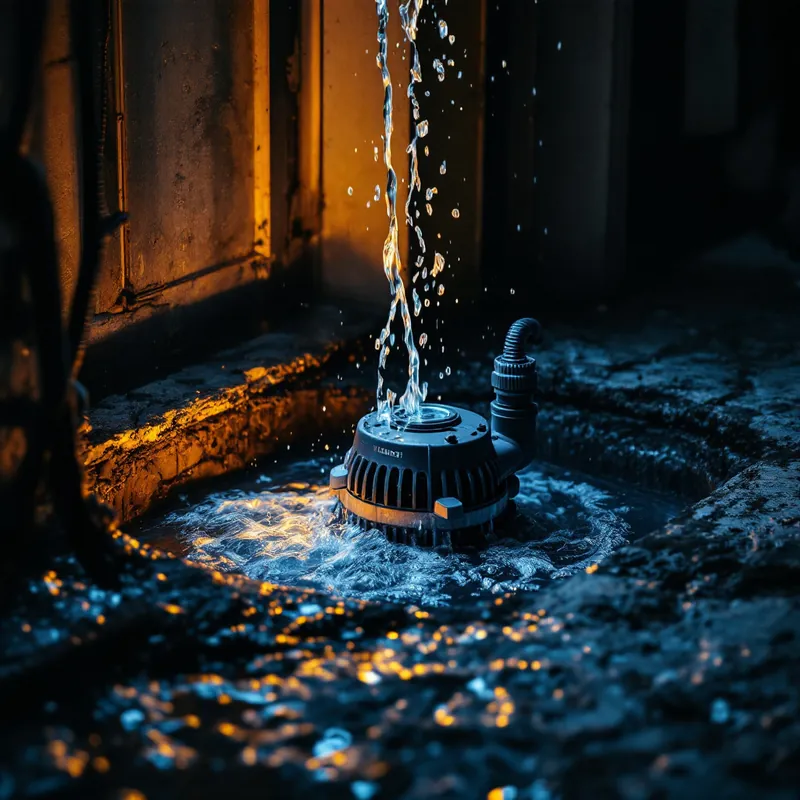
Submersible pumps clear standing water and truck-mounted extractors pull what's left from floors and carpet.
Remove & disinfect
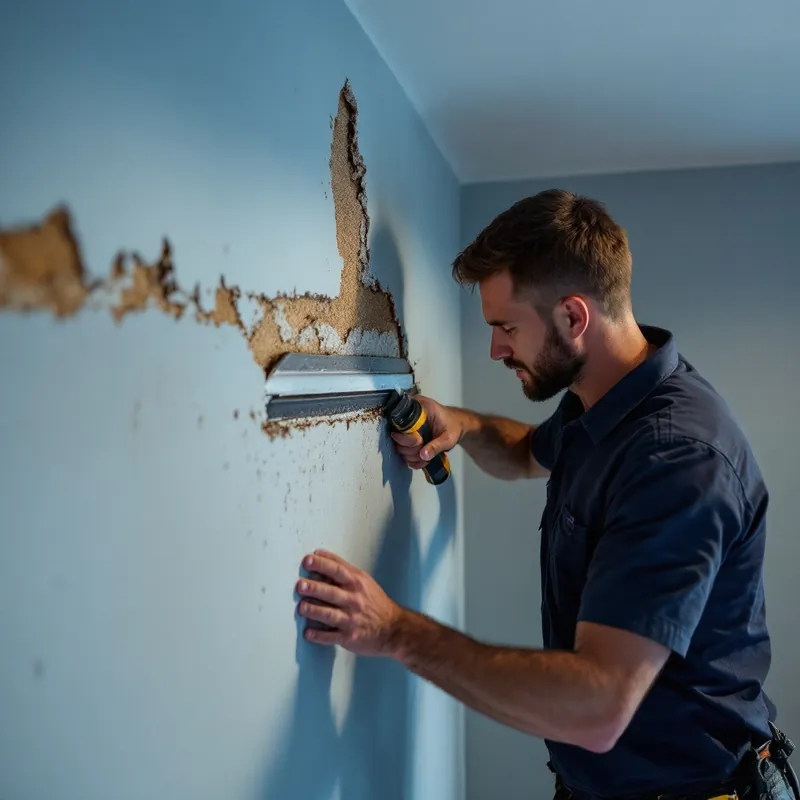
Ruined carpet, pad and soaked drywall are removed, and contaminated surfaces are disinfected.
Dry the structure
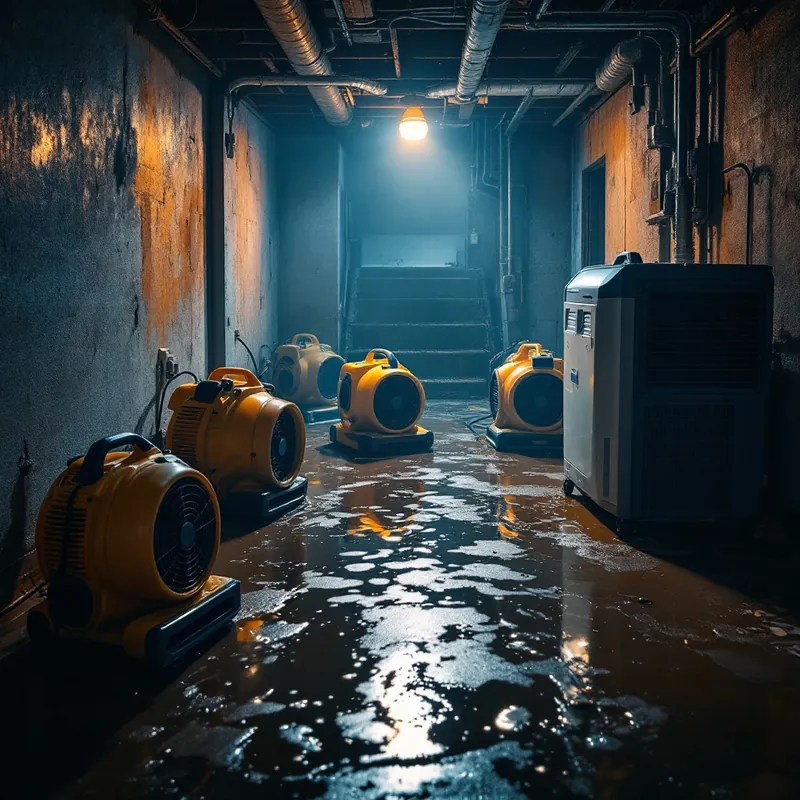
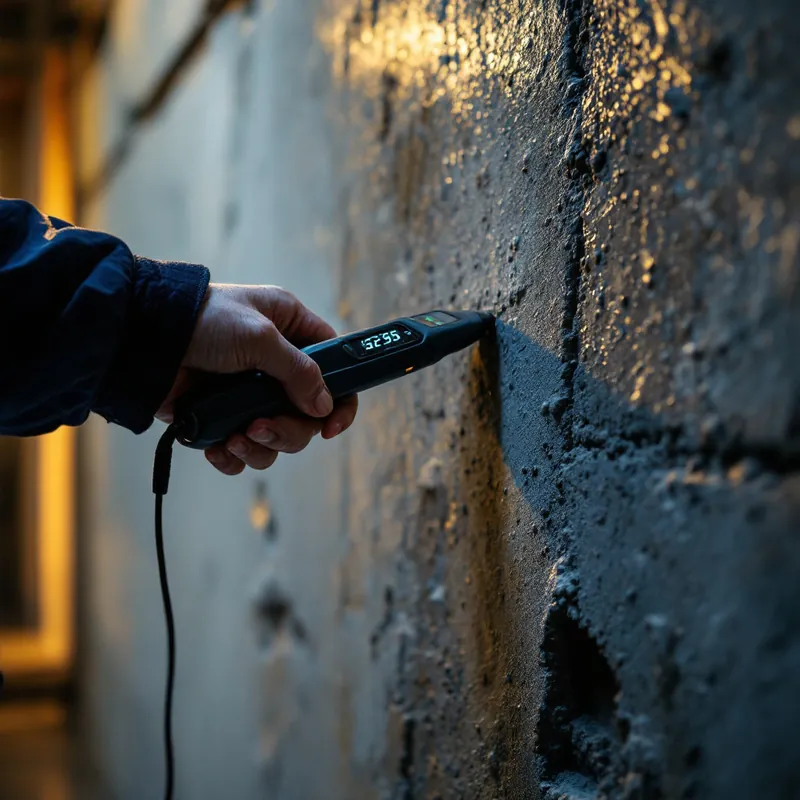
Air movers and dehumidifiers dry the concrete, framing and remaining materials, verified with moisture meters.
Rebuild
New drywall, insulation, flooring and paint restore the basement once it's fully dry.
Free Instant Tool
Flooded basement response & coverage checker
Tell us where the water came from and how much there is, and get an instant read on the water type, whether homeowners insurance is likely to cover it, if it's safe to handle yourself, and your best next step. It's a fast orientation while you call, not a quote or a coverage promise.
Who Pays
Does insurance cover a flooded basement?
This is where basement floods surprise people: coverage depends entirely on how the water got in, and the three common causes are each treated differently.
- Burst pipe or appliance. A sudden internal failure is usually covered by standard homeowners insurance, minus your deductible.
- Natural flooding. Groundwater and storm flooding from outside is excluded from standard policies, it needs separate flood insurance.
- Sump-pump or sewer backup. Covered only if you carry the specific water-backup rider, many homeowners find out they don't after the fact.
Document the cause
Because the payout hinges on the cause, photographing the water source and level before cleanup is critical. A crew's documentation and moisture readings build the claim, see our full claim guide.
Get documented helpNever Again
How to stop your basement flooding again
Most basement floods are preventable with the right defenses, a mix of drainage, a working sump and, for chronic groundwater, interior or exterior waterproofing. After a flood is exactly the time to add them.
Sump pump + battery backup
A working sump pump with a battery backup keeps ejecting water even when the storm knocks out power, the single most important defense.
Backwater valve
A backwater valve on the sewer line stops municipal backups from pushing sewage up through your floor drains.
Seal cracks
Sealing foundation and wall cracks and pipe entry points closes the paths groundwater uses to get in.
Fix the grading
Regrading so the ground slopes away from the house keeps rain and yard water from pooling against the foundation.
Gutters & downspouts
Keep gutters clear and extend downspouts several feet from the foundation so roof water drains far from the walls.
Consider a water alarm
A cheap water sensor near the sump or floor drain warns you the moment water appears, before it becomes a flood.
What It Costs
Flooded basement cleanup cost
Basement flood cost swings widely, an unfinished basement with an inch of clean water is a modest dry-out; a finished basement full of contaminated water is one of the larger water losses a home can have.
Unfinished, clean water
Pump-out and drying of a concrete basement caught fast, the least expensive path.
Finished basement
Drywall, flooring, insulation and belongings add removal and rebuild on top of the extraction and drying.
Contaminated or delayed
Sewage or storm water, or a flood left to grow mold, adds disinfection and remediation, see the full cost guide.
What It Really Involves
A flooded basement, from the water to the fix
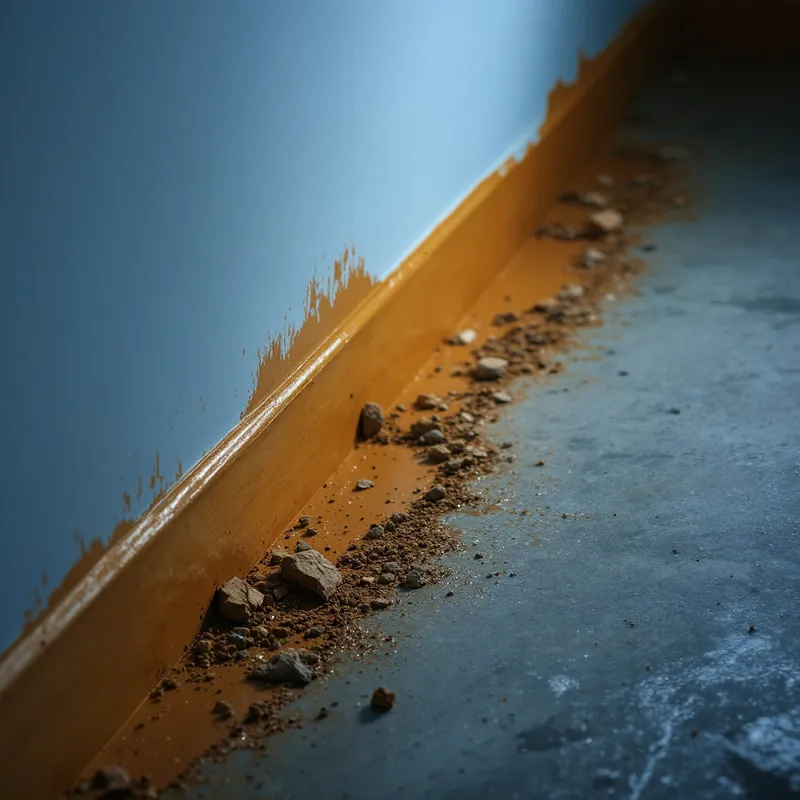
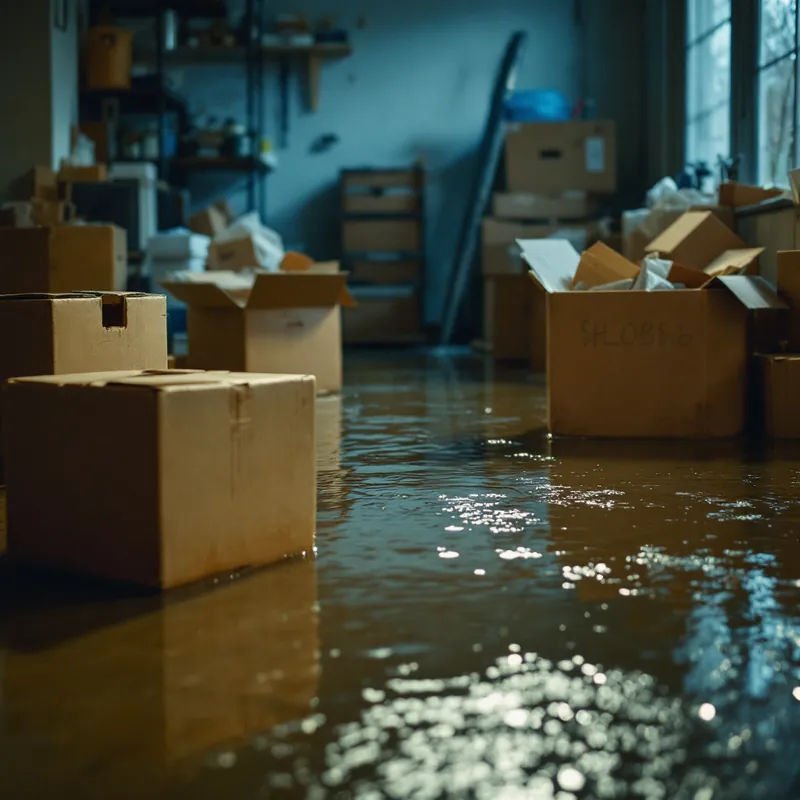
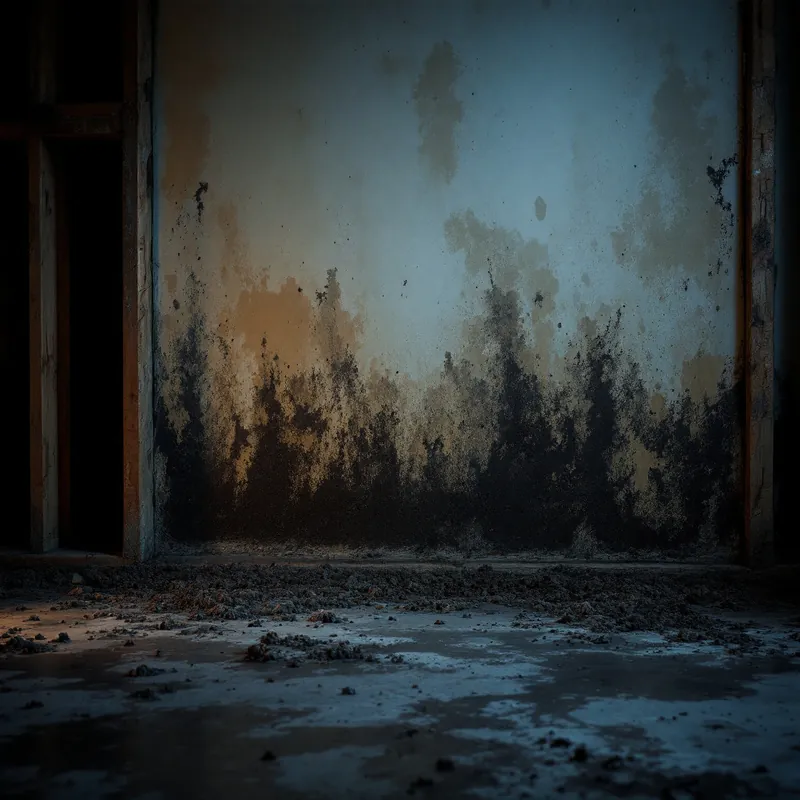
A basement flood is more than the water on the floor, it's the mark it leaves, the mold it feeds, and the gear it takes to reverse it. This is what the job actually looks like.




FAQ
Flooded basement questions, answered
What should I do first when my basement floods?
Do not step into standing water until the power is off, it may be electrified. Shut off power and gas to the basement if you can reach the panel safely, stop the water source if it's a plumbing failure, photograph the damage for insurance, then call a 24/7 crew to pump it out and dry it.
Is a flooded basement dangerous?
Yes. The two biggest dangers are electrocution from submerged outlets and wiring, and contamination if the water is from a sewer backup or ground flooding. There's also mold, which begins within 24 to 48 hours. Stay out of the water until power is off, and treat sewage or flood water as a health hazard.
Why did my basement flood?
The most common causes are heavy rain overwhelming drainage, a failed or overwhelmed sump pump, a sewer or drain backup, foundation or wall cracks letting groundwater in, a burst pipe or water heater, and poor grading or clogged gutters directing water toward the house.
How do you get water out of a flooded basement?
After power is off, standing water is removed with submersible pumps and truck-mounted extractors, then the space is dried with commercial air movers and dehumidifiers. Small amounts can be handled with a wet/dry vac, but several inches or contaminated water needs professional extraction.
Does homeowners insurance cover a flooded basement?
It depends on the cause. A sudden burst pipe or appliance failure is usually covered; natural flooding from outside is excluded and needs separate flood insurance; and sump-pump or sewer backups are only covered if you carry that specific rider. Documenting the cause is what decides the claim.
How long does it take to dry a flooded basement?
Most basements dry in about three to five days with professional equipment, depending on how much water there was, how long it sat, and what materials got wet. Concrete, finished drywall and insulation hold moisture and extend the drying time.
How do I stop my basement from flooding again?
Install or upgrade a sump pump with a battery backup, add a backwater valve to stop sewer backups, seal foundation cracks, improve grading so water slopes away from the house, and keep gutters and downspouts clear and extended away from the foundation.
Sources & Standards
Flood-cleanup and electrical-safety guidance reflects Ready.gov floods, CDC flood-water safety and NWS flood safety; mold thresholds reference the US EPA. Flood-insurance rules reflect the FEMA National Flood Insurance Program, and drying follows the IICRC S500 Standard. See our editorial standards.
Keep Reading
Related water damage help
Water extraction
The emergency pump-out and extraction that clears a flooded basement.
Sewage cleanup
When the basement flood is a sewer backup, the black-water case.
Flood damage
Storm and natural flooding, and why it needs its own insurance.
Mold remediation
What to do when a damp basement has already grown mold.
Insurance claim guide
Which basement-flood causes are covered, and which need a rider.
Water damage restoration
Our full 24/7 emergency water removal, drying and repair service.
Power off, then call, don't wade in to check
Get your basement pumped out now
A certified crew makes it safe, pumps out the water, dries the structure and documents it all, on call 24/7 across the US.
Call (888) 217-7423Why the first call matters
The first-hour match — water damage is priced by the hour it sat, not by the hour you called
Standing water stops being the problem within a day. What it leaves behind — saturated drywall, wet insulation, a subfloor that keeps giving moisture back into the room — is what the invoice is actually made of, and it grows while the house looks calm.
That is not a failure of homeowners who waited. It is how the trade is arranged: you call a company, it comes when its schedule allows, and the clock keeps running in between. Our line is open every day of the year, and the call reaches an independent licensed and insured restoration company that covers your area now rather than tomorrow. We do not do the work ourselves — we are paid for the introduction, which is set out in how we make money.
Two things decide what this costs, and both are settled in the first hours. Moisture readings and photographs taken before anything is torn out are what an adjuster later accepts or disputes, and mold needs only a day or two of damp material to start. Neither waits for an appointment. And if the water came from outside — a river, a storm surge, groundwater — say so on the call. That is flood, a separate policy that a homeowners policy does not cover, and you should hear it from us before anyone arrives rather than after.