Certified Mold Remediation
Mold Remediation & Black Mold Removal, done safely
Found mold, or smell it but can't see it? We connect you with certified crews who contain the area, remove the mold with HEPA equipment, and verify the air is clean, so it doesn't come back or spread through your home.
No obligation · Insurance-friendly · Independent licensed & insured local companies
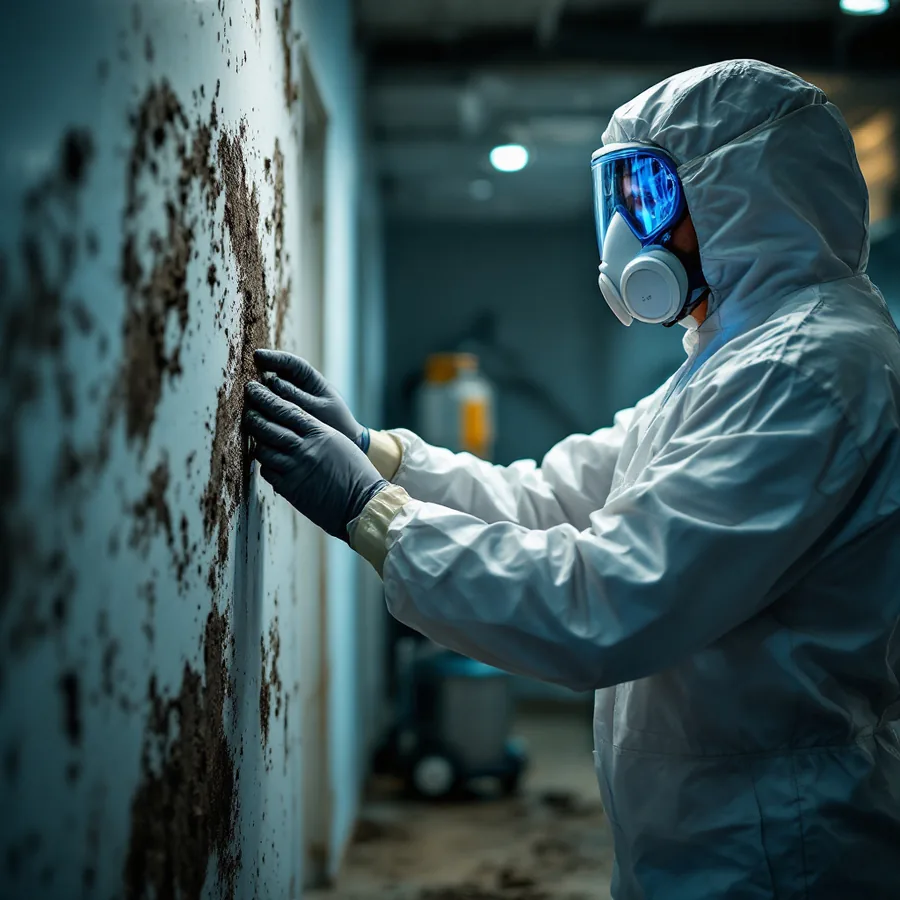 Contained removal & HEPA filtration
every day of the year
Do You Have a Mold Problem?
The signs of mold, seen and unseen
Mold grows anywhere moisture lingers, and most of it hides, behind drywall, under flooring, in HVAC ducts and crawlspaces. Trust your eyes and your nose:
You can see it
Black, green, grey or white patches on walls, ceilings, grout, window sills or around the HVAC vents. Fuzzy or slimy spots that keep coming back after you wipe them.
You can smell it
A persistent musty, earthy odor , strongest in basements, bathrooms or near past leaks, is often the only sign of mold growing out of sight inside the structure.
You feel it
Sneezing, a stuffy nose, itchy eyes, coughing or worsened asthma that eases when you leave the house can point to poor indoor air quality from hidden mold.
If you had a leak, flood or long-running humidity and now notice any of these, it's worth an inspection. Mold spreads on its own once it takes hold, the sooner it's contained, the smaller the job. The inspection is free.
What We Remediate
Every kind of household mold
From a black patch in the bathroom to widespread growth after water damage, crews handle it with the right containment and equipment for each situation.
Black mold removal
Safe containment and removal of toxic-looking black mold (Stachybotrys), the type people worry about most.
Learn more →Bathroom & kitchen mold
Grout, caulk, under-sink and behind-tile mold from everyday moisture and small plumbing leaks.
Get help →Attic & crawlspace mold
Poor ventilation and roof or foundation moisture make attics and crawlspaces the most common hidden mold sites.
Get help →HVAC & duct mold
Mold in the air handler or ductwork spreads spores through the whole house, it needs specialist cleaning, not a wipe-down.
Get help →Post-water-damage mold
The most common cause, mold that took hold after a burst pipe, flood or slow leak that wasn't dried in time.
Get help →Emergency & large-area mold
Widespread or fast-spreading growth after major water loss, full containment, HEPA filtration and rebuild.
Call 24/7 →How It Works
The mold remediation process
Inspect & test
Find the moisture source and map the mold, with sampling where it helps confirm the scope.
Contain
Seal the area with sheeting and negative air pressure so spores can't reach clean rooms.
Filter & remove
HEPA air scrubbers run while mold-damaged porous materials are removed and bagged.
Treat & dry
HEPA-vacuum and antimicrobial treatment on salvageable surfaces, then dry the space fully.
Clear & rebuild
A post-remediation check confirms it's clean, then the crew rebuilds what was removed.
Free Instant Tool
DIY or pro? Instant mold remediation checker
Tell us how much mold you're dealing with and whether the water behind it was clean or contaminated, and get an instant read on what the US EPA advises, whether it's safe to handle yourself, and why. It's a fast orientation while you decide, not a quote or a coverage promise. Your policy and situation decide.
Why It Matters
Mold and your family's health
Mold isn't just a cosmetic problem. Exposure can irritate the airways and trigger allergy and asthma symptoms, which is why remediation is done with containment and protective equipment, not a bottle of bleach.
- Common reactions. Stuffy or runny nose, sneezing, coughing, watery or itchy eyes and throat irritation.
- Higher-risk groups. People with asthma, mold allergies, or weakened immune systems tend to react more strongly.
- Asthma link. Damp, mold-prone homes are associated with more frequent and severe asthma symptoms.
The EPA rule of thumb
The US EPA advises that mold covering more than about 10 square feet, or any mold from sewage or flood water, or inside HVAC, should be handled by professionals with proper containment.
Disturbing a large area without containment sends spores through the whole house, turning a small job into a big one.
The One Everyone Asks About
Black mold, what it is and how it's removed
"Black mold" usually means Stachybotrys chartarum, a dark, slimy mold that grows on constantly damp, cellulose-rich materials like drywall, wood and cardboard. It looks alarming, and while lab testing is the only way to confirm the species, the removal approach is the same for any significant growth.
Where it grows
On materials that stay wet, behind drywall from a slow leak, in flooded basements, under sinks and around chronically damp windows and crawlspaces.
Why not bleach it?
Surface bleaching hides the color but leaves roots in porous materials and doesn't fix the moisture, so it grows back. Contaminated porous materials are removed, not painted over.
How it's removed
Contain the area, run HEPA filtration, remove and bag affected materials, HEPA-vacuum and treat what's left, dry the space, then verify it's clean before rebuild.
Mold Removal Cost
What affects your mold remediation cost
Every home is different, so the honest answer is "it depends", and the inspection that pins it down is free. These are the factors that move the number:
- Size of the area. A patch of bathroom mold is a small job; widespread growth across walls, ceilings or a whole crawlspace takes more containment, labor and days.
- Location. Easy-to-reach walls cost less than mold inside HVAC ducts, behind tile, under subfloor, or in a tight crawlspace or attic.
- How much must be removed. Salvageable surfaces are cleaned and treated; saturated porous materials like drywall, carpet and insulation are removed and rebuilt.
- The moisture source. Lasting remediation includes fixing the leak, humidity or drainage that caused it, otherwise mold returns.
- Testing. Optional air or surface sampling (pre- and post-work) adds cost but documents the result for your records or insurance.
Insurance
Does insurance cover mold?
It depends entirely on why the mold grew. Insurers draw a hard line between a sudden accident and a slow, avoidable problem.
- Often covered. Mold that results directly from a sudden, covered water event , a burst pipe or appliance failure, when you acted promptly. Many policies apply a mold sub-limit.
- Usually not. Mold from long-term humidity, condensation, or a leak that was ignored, treated as a maintenance issue.
- Documentation helps. Photos, the moisture source, and pre/post testing strengthen a claim.
Fast action protects coverage
Because coverage hinges on you preventing further damage, the same fast response that limits mold also protects your claim: document everything, stop the moisture, and get the area contained and dried quickly.
Start with a on-site inspectionAfter Remediation
Keeping mold from coming back
Because mold only returns where moisture returns, lasting results come from removing the water source, not just the visible mold.
Fix the moisture source
The leak, roof breach, drainage problem or condensation that fed the mold is repaired as part of the job, otherwise it simply grows back in the same spot.
Control the humidity
Keeping indoor humidity in a healthy range with ventilation and, where needed, a dehumidifier removes the damp conditions mold needs to take hold.
Dry fast after water events
Any future leak or flood that's dried within 24-48 hours rarely becomes a mold problem, speed is the single best prevention there is.
Pro-Grade Equipment
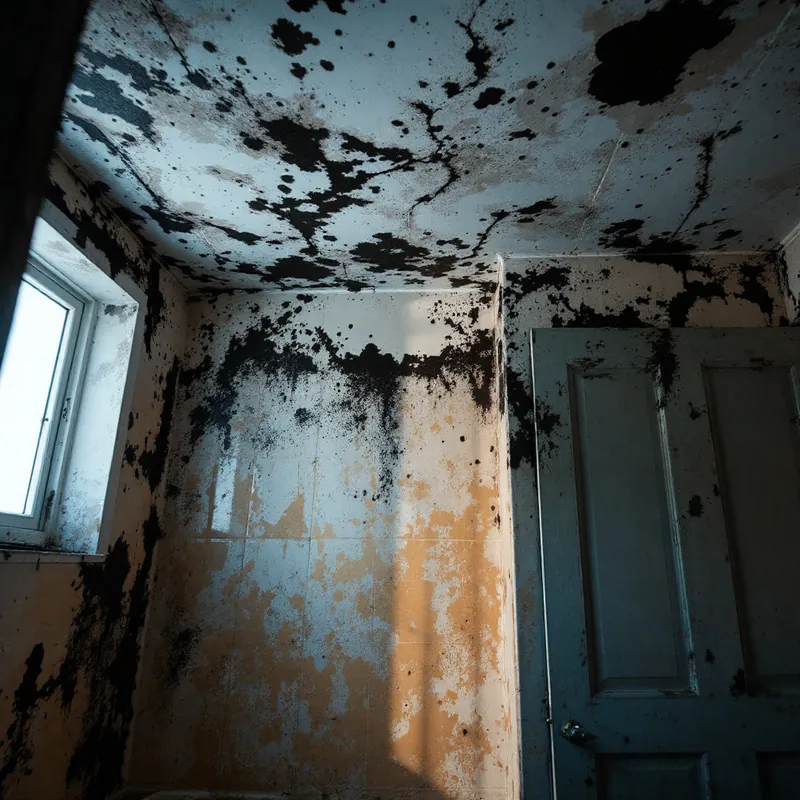
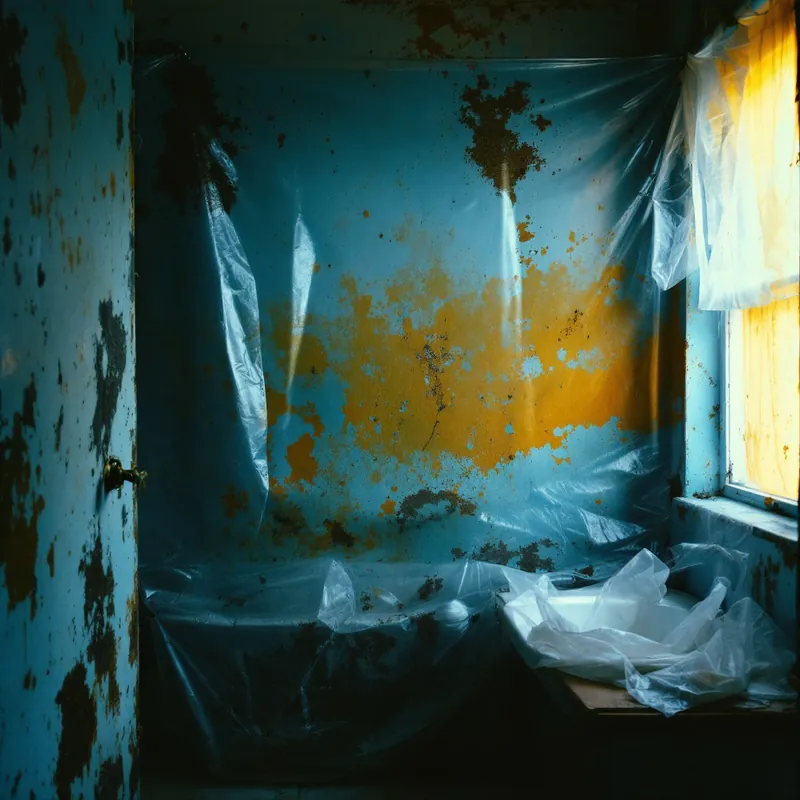
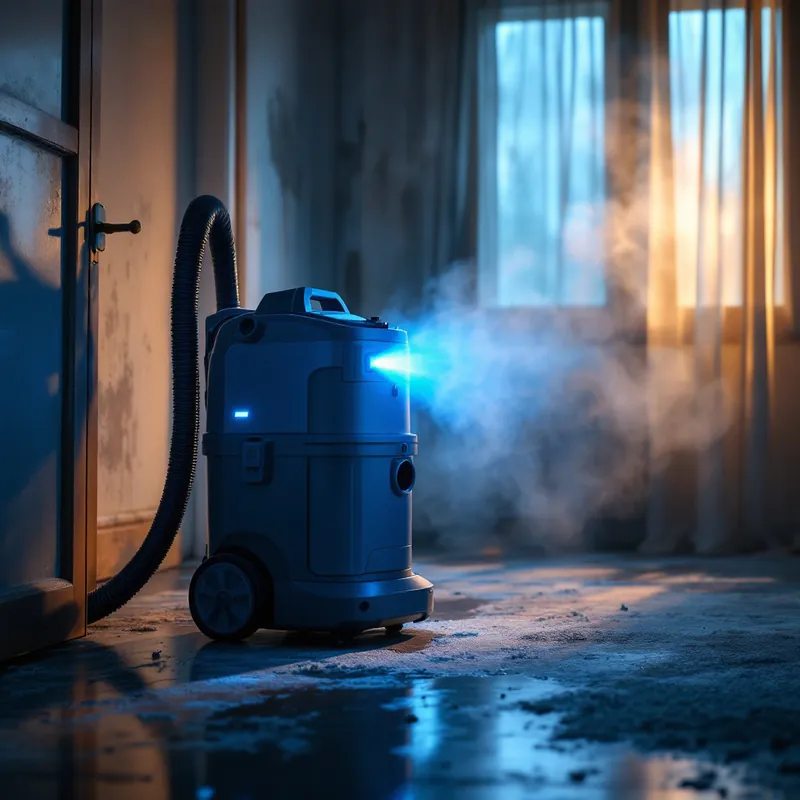
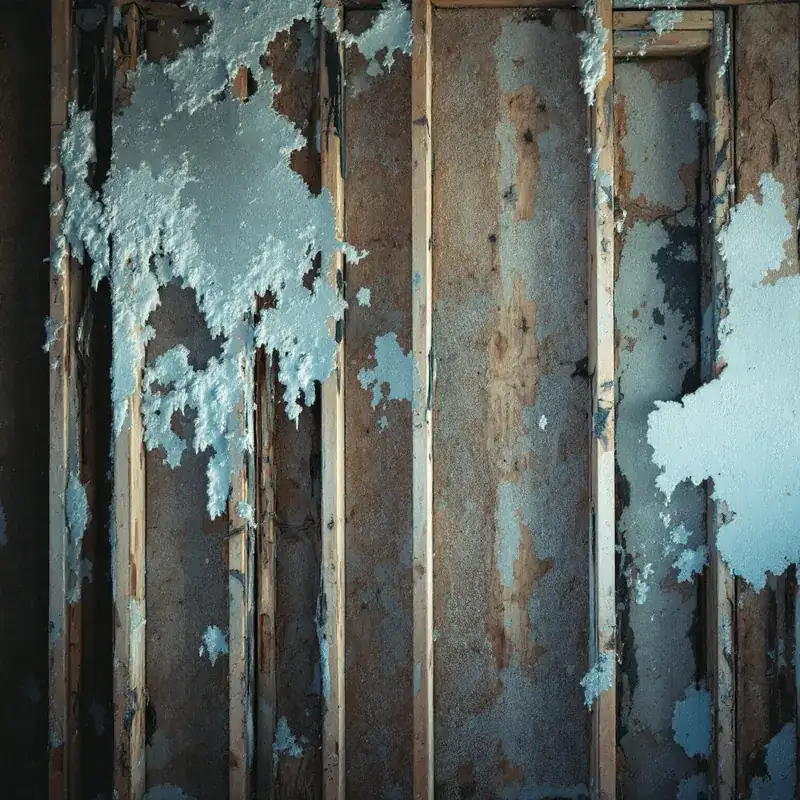
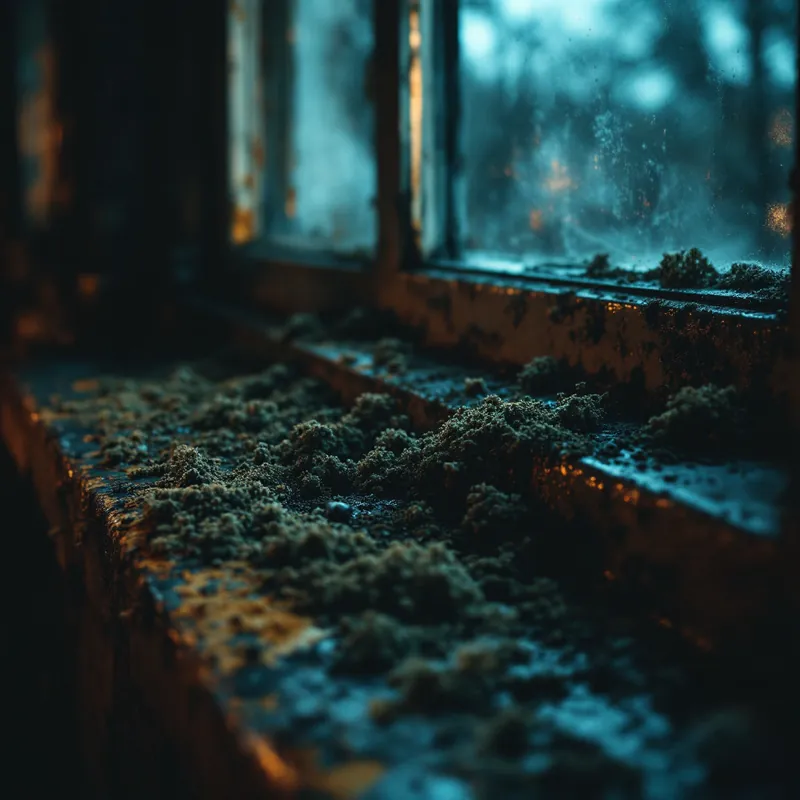
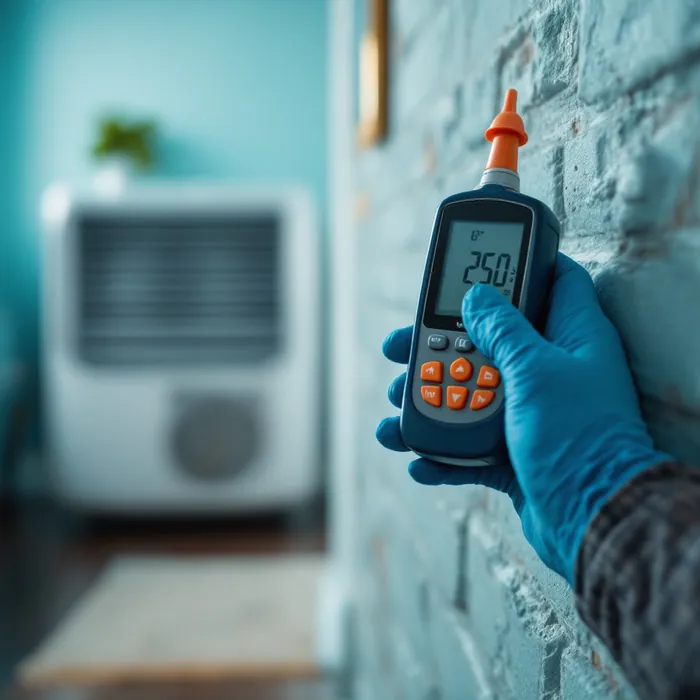
A mold problem, from the wall to the clearance
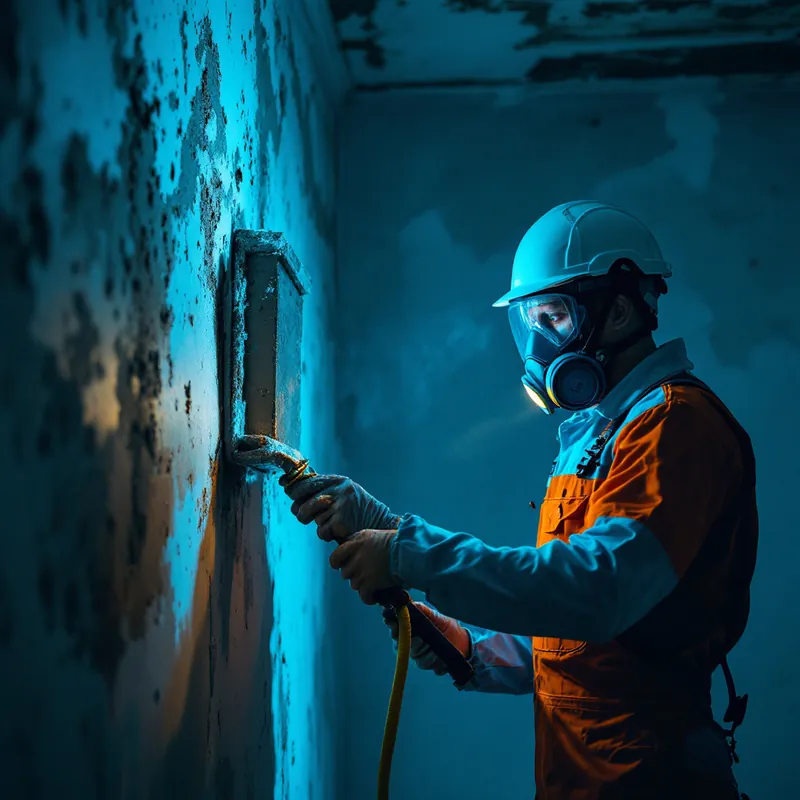
Safe remediation is about controlling the air as much as removing the mold. Crews arrive with containment and HEPA equipment so spores never spread to the rest of your home.




FAQ
Mold questions, answered
Can I remediate mold myself?
The EPA says homeowners can usually clean small mold areas under about 10 square feet. Larger growth, black mold, mold from sewage or flood water, or mold inside HVAC systems needs professional containment and HEPA equipment so you don't spread spores through the house.
What kills mold permanently in a house?
Nothing "kills mold permanently" by itself, mold returns wherever moisture returns. Lasting removal means fixing the water source, physically removing mold-damaged porous materials, HEPA cleaning, and drying the area so spores have nothing to grow on.
What are the signs of mold sickness?
Common reactions include a stuffy or runny nose, sneezing, coughing, watery or itchy eyes, throat irritation and worsened asthma. People with allergies, asthma or weakened immune systems react more strongly. Symptoms that ease when you leave home are a red flag.
Can a house with mold be saved?
Almost always. Once the moisture source is fixed and affected materials are removed and cleaned, the home is safe again. Only in rare, long-neglected cases does mold reach structural framing enough to require major rebuilding.
How much does mold remediation cost?
It depends on the size of the affected area, where the mold is (a bathroom vs. A crawlspace or HVAC system), how contaminated it is, and whether materials must be removed and rebuilt. An on-site inspection gives you an exact figure.
Does homeowners insurance cover mold remediation?
If the mold results directly from a sudden, covered water event , like a burst pipe, and you acted promptly, remediation is often covered, sometimes with a policy sub-limit. Mold from long-term humidity or a neglected leak is typically excluded.
How long does mold remediation take?
Most residential jobs take 1–5 days depending on the size and location of the growth and how much material must be removed and dried. Larger or hidden mold behind walls and in HVAC takes longer.
Sources & Standards
Cleanup thresholds and containment guidance follow the US EPA, Mold Cleanup in Your Home, EPA basic mold cleanup steps and the EPA mold resource hub. Health information: CDC , Mold and EPA, Mold and Health. Remediation is performed to the IICRC S520 mold-remediation standard.
Why the first call matters
The first-hour match — water damage is priced by the hour it sat, not by the hour you called
Standing water stops being the problem within a day. What it leaves behind — saturated drywall, wet insulation, a subfloor that keeps giving moisture back into the room — is what the invoice is actually made of, and it grows while the house looks calm.
That is not a failure of homeowners who waited. It is how the trade is arranged: you call a company, it comes when its schedule allows, and the clock keeps running in between. Our line is open every day of the year, and the call reaches an independent licensed and insured restoration company that covers your area now rather than tomorrow. We do not do the work ourselves — we are paid for the introduction, which is set out in how we make money.
Two things decide what this costs, and both are settled in the first hours. Moisture readings and photographs taken before anything is torn out are what an adjuster later accepts or disputes, and mold needs only a day or two of damp material to start. Neither waits for an appointment. And if the water came from outside — a river, a storm surge, groundwater — say so on the call. That is flood, a separate policy that a homeowners policy does not cover, and you should hear it from us before anyone arrives rather than after.