24/7 Emergency Mitigation
Water Mitigation, stop the damage before it spreads
Mitigation is the emergency phase of a water loss: get the water out and the structure dry fast, before it soaks deeper and mold sets in. We connect you with crews who extract, dry and monitor, the work that decides how much of your home is saved.
No obligation · Insurance-friendly · Independent licensed & insured local companies
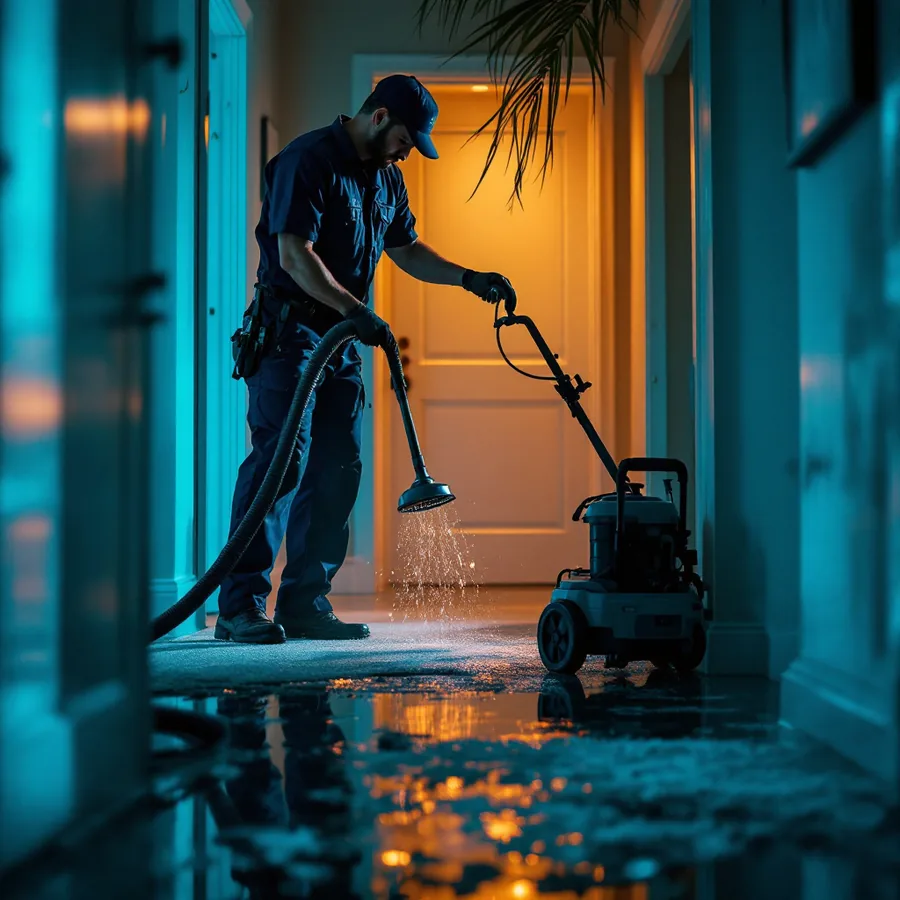 Emergency extraction & drying
every day of the year
What It Means
Mitigation vs. Restoration
People use the words interchangeably, but they're two different phases of the same job, and knowing the difference helps you understand your estimate and your insurance claim.
- Mitigation is emergency & urgent. Extract standing water, dry the structure and control moisture to stop the damage getting worse. It happens first, fast.
- Restoration is the rebuild. Once everything reads dry, restoration repairs drywall, flooring and finishes back to pre-loss condition.
- Insurance treats them separately. Mitigation is often a distinct line on your claim, and policies require you to mitigate promptly to limit the loss.
The order of operations
| 1. Stop the source | Mitigation |
| 2. Extract water | Mitigation |
| 3. Dry & sanitize | Mitigation |
| 4. Rebuild & finish | Restoration |
Do mitigation well and there's far less to restore.
Why Speed Wins
Why the first 24–48 hours decide the outcome
Water damage isn't a one-time event, it keeps working every hour it sits. The whole point of mitigation is to interrupt that clock as fast as possible.
Water spreads & wicks
Standing water migrates into walls, subfloor and insulation within hours, so what looks like a small spill is often already a much larger wet area.
Mold starts in 24–48 hrs
Given damp materials, mold can begin growing within a day or two, turning a drying job into a containment and remediation job.
Materials degrade fast
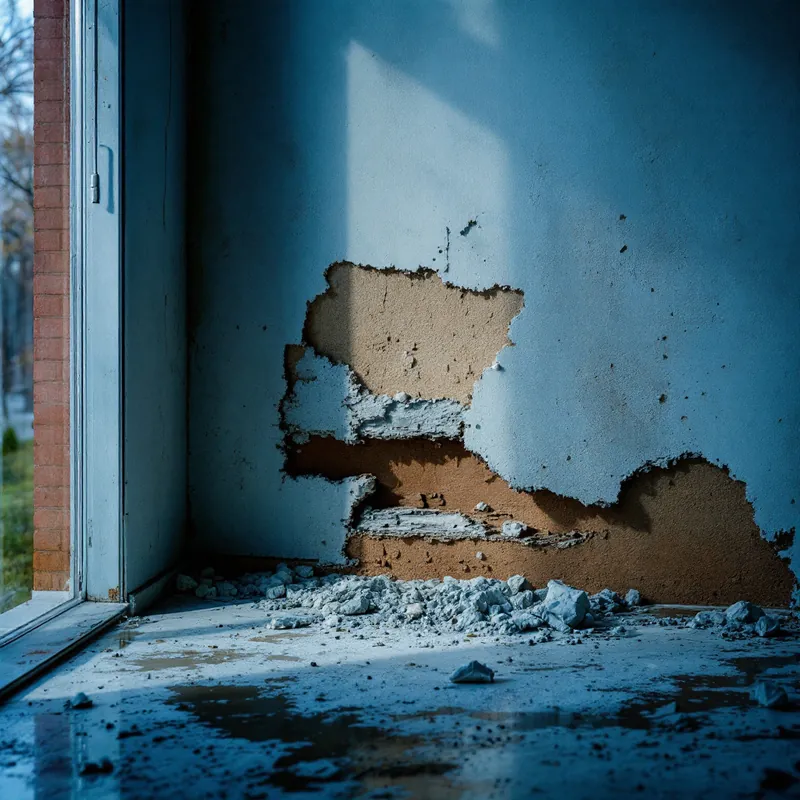
Drywall crumbles, hardwood cups and laminate swells the longer they stay wet. Fast drying saves materials that would otherwise be replaced.
This is why crews respond around the clock and start extracting on arrival: every hour of delay means more saturated material, higher cost, and a bigger chance of mold. Fast mitigation is the cheapest part of the whole job.
What We Handle
Every part of the mitigation phase
From the first pump-out to the final moisture reading, mitigation covers everything that stops the damage, before the rebuild begins.
Emergency water removal
Truck-mounted and portable extractors remove standing water fast, 24/7, the single biggest factor in limiting damage.
Call 24/7 →Structural drying
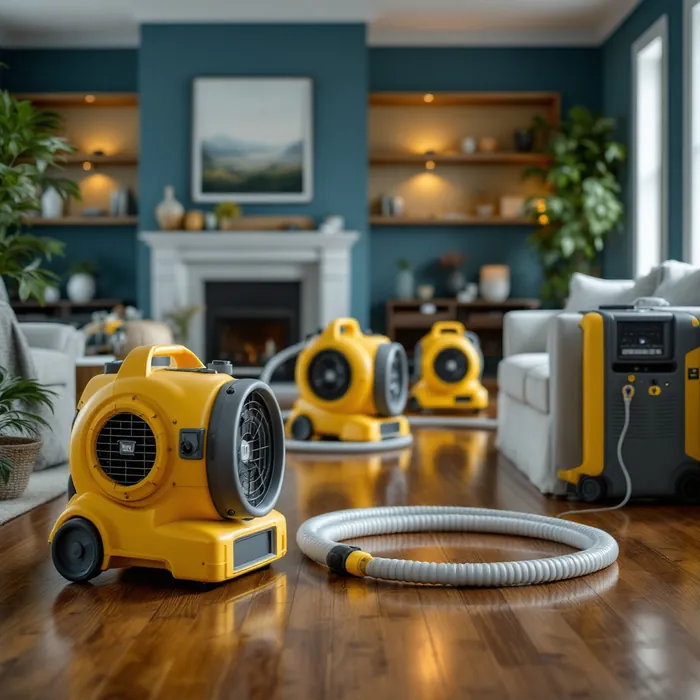
Commercial air movers pull moisture out of framing, subfloor and drywall, sized to the class of water damage.
Get help →Dehumidification
Commercial dehumidifiers hold humidity down so moisture leaving materials doesn't re-condense elsewhere in the home.
Get help →Moisture monitoring
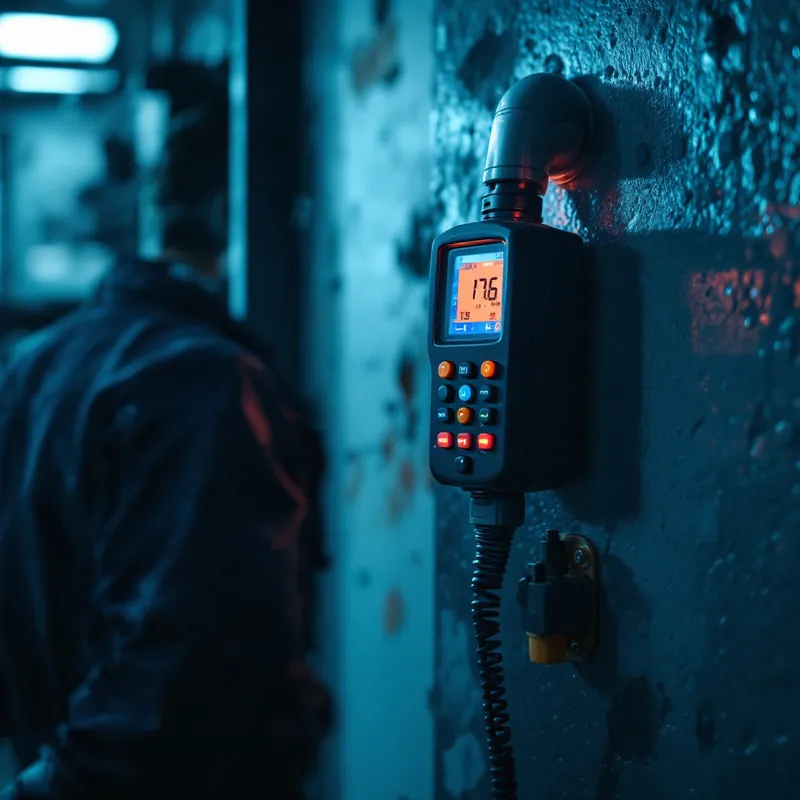
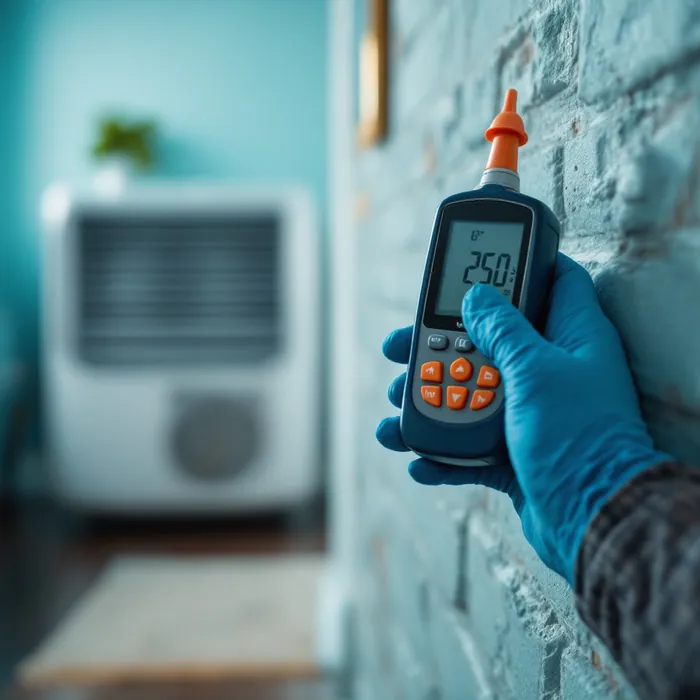
Moisture meters and thermal imaging map hidden water and track it daily, so drying stops only when it's truly dry.
Get help →Antimicrobial & odor control
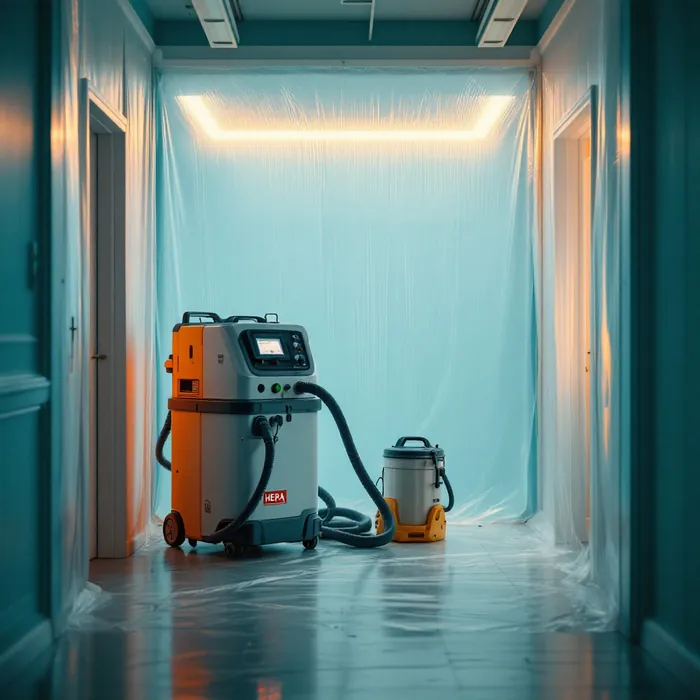
Sanitizing treatment and HEPA scrubbing prevent mold and clear odor, essential for grey and black water.
Get help →Full restoration & rebuild
Once dry, the rebuild phase repairs everything back to pre-loss condition, see our water damage restoration service.
Learn more →When You Need It
The water losses crews mitigate
Mitigation is the same emergency response whatever let the water in, the goal is always to extract and dry before it spreads and turns to mold.
Burst & frozen pipes
A failed supply line or a pipe that froze and split can release hundreds of gallons quickly, clean water at first, destructive if it isn't dried fast.
Appliance & heater leaks
Washing machines, dishwashers and aging water heaters let go without warning, soaking floors and the rooms below.
Roof & storm leaks
Wind and hail open the roof and rain follows, soaking attics, ceilings and insulation from the top down.
Overflows & backups
Sinks, tubs and drains that overflow spread water fast across floors and into adjacent rooms and levels.
How It Works
The water mitigation process
Stop & inspect
Shut off the source, then map the water with moisture meters and thermal imaging.
Extract
Pumps and extractors remove standing water, the biggest single factor in limiting damage.
Dry
Air movers and dehumidifiers dry framing, subfloor and drywall, monitored daily.
Sanitize
Antimicrobial treatment and HEPA scrubbing prevent mold and control odor.
Verify dry
Equipment stays until moisture readings confirm the structure is genuinely dry.
Free Instant Tool
Water mitigation stage checker: what happens next?
Tell us where you are right now, is the water still standing, already removed but everything's wet, or are you drying with equipment, and get an instant read on which phase of water mitigation you're in, what happens next, and how urgent it is. It's a fast orientation while you call, not a quote or a coverage promise. Your policy and situation decide.
Insurance
Mitigation and your insurance claim
Here's something most homeowners don't realize: your policy actually requires you to mitigate. Acting fast isn't just smart, it protects your coverage.
- Duty to mitigate. Policies expect you to take reasonable steps to prevent further damage. Prompt extraction and drying is exactly that.
- Sudden water is usually covered. A burst pipe or failed appliance is typically a covered peril; outside flooding needs a separate flood policy.
- Crews document for the claim. Moisture logs, photos and an itemized mitigation scope in the format adjusters expect.
Fast action protects coverage
Wait too long and an insurer can argue the extra damage came from delay, not the original event. Prompt, documented mitigation keeps the follow-on damage inside your covered claim, and keeps the total lower for everyone.
Start mitigation nowMitigation Cost
What affects your water mitigation cost
Mitigation is priced separately from the rebuild, and the inspection that prices yours is free. These are the factors that move the number:
- Volume of water. More water means more extraction and more days of drying equipment running.
- Class of water damage. How deeply materials are saturated (Class 1–4) sets how much air movement and dehumidification is needed.
- Category of water. Clean water is cheapest; grey and black water add sanitizing, protective equipment and often material removal.
- Materials affected. Hardwood, plaster and concrete take longer to dry than drywall and carpet, adding equipment days.
- Access & monitoring. Hidden moisture in walls and subfloor takes more equipment and daily monitoring to dry properly.
Pro-Grade Equipment
Water mitigation, from extraction to dry
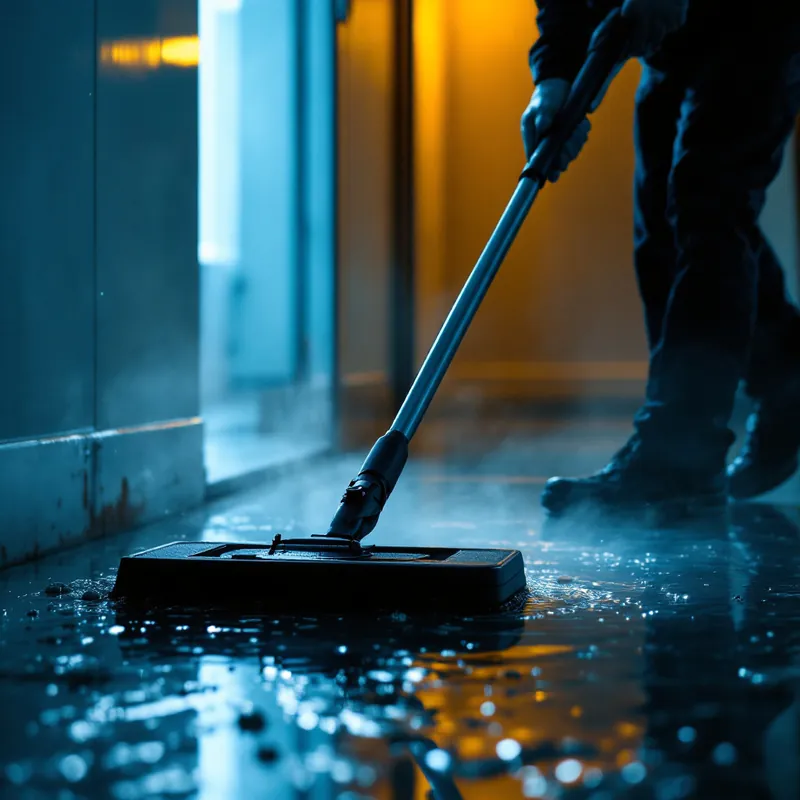
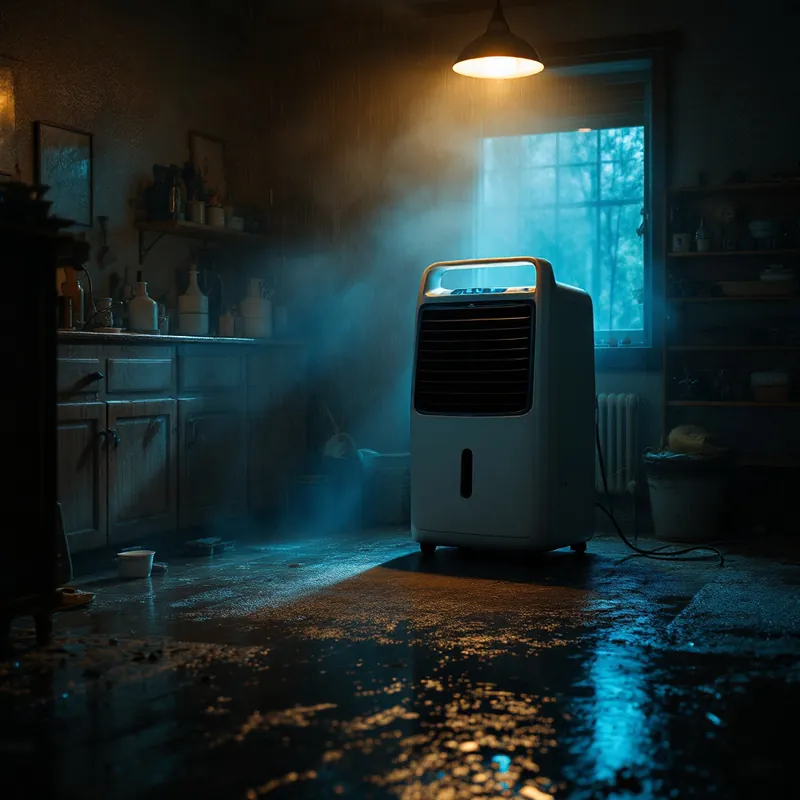
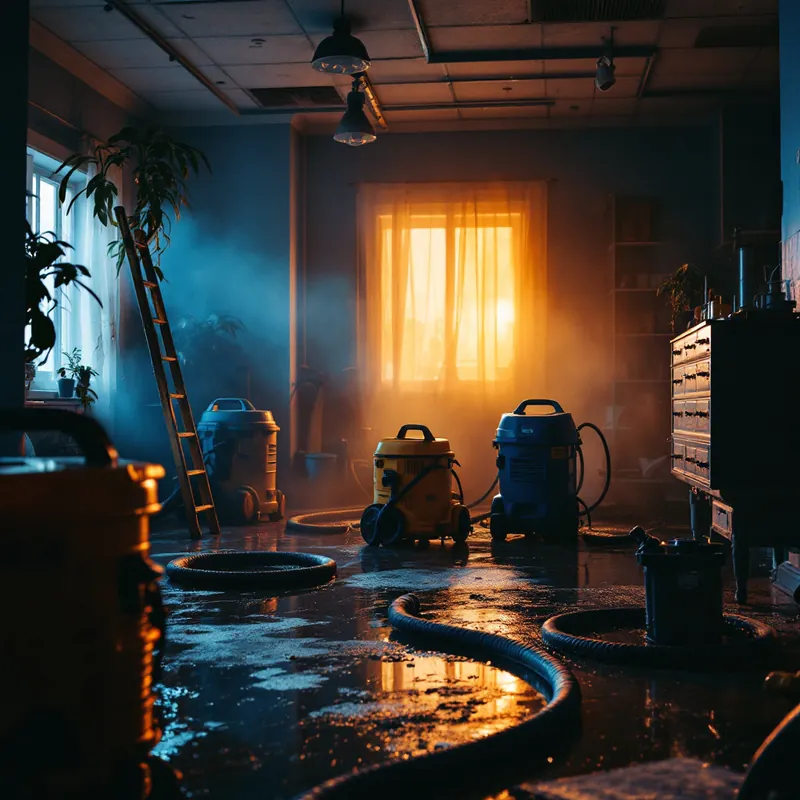
Mitigation lives or dies on the equipment, commercial extraction and drying gear sized to the water, not a household wet-vac and box fan.


FAQ
Water mitigation questions, answered
What is the meaning of water mitigation?
Water mitigation is the emergency work that stops water damage from getting worse, extracting standing water, drying the structure and controlling moisture. It's the urgent first phase that happens before any rebuild, and its whole job is to limit the loss.
What is the difference between water mitigation and restoration?
Mitigation is the emergency phase that stops further damage: extraction, drying and sanitizing. Restoration is the rebuild that follows, repairing drywall, flooring and finishes to pre-loss condition. One water damage job includes both, in that order.
How much should water mitigation cost?
It depends on how much water there is, the area and class of water, and how many days of equipment are needed to dry the structure. A small clean-water job is far less than a saturated multi-room loss. An on-site inspection gives an exact figure, and it's often insurance-covered.
Can I do water mitigation myself?
You can start by stopping the source and mopping up small clean-water spills. But hidden moisture in walls and subfloor, larger volumes, and anything left over 24–48 hours needs commercial extraction and drying equipment to prevent mold and structural damage.
How long does water mitigation take?
Extraction is usually same-day. Structural drying typically runs 3–5 days depending on how much water there was and the materials involved; hardwood and plaster take longer. Equipment stays until moisture readings confirm the structure is dry.
Does insurance cover water mitigation?
Sudden, accidental water damage , a burst pipe or failed appliance, is typically covered, and policies actually require you to mitigate to prevent further loss. Prompt mitigation both limits the damage and supports the claim. Outside flooding needs a separate flood policy.
Sources & Standards
Water categories, drying classes and structural drying follow the IICRC S500 standard. Mold prevention and cleanup: US EPA , Mold Cleanup and CDC, Mold. Flood & insurance context: Ready.gov , Floods and FEMA, Flood Insurance.
Why the first call matters
The first-hour match — water damage is priced by the hour it sat, not by the hour you called
Standing water stops being the problem within a day. What it leaves behind — saturated drywall, wet insulation, a subfloor that keeps giving moisture back into the room — is what the invoice is actually made of, and it grows while the house looks calm.
That is not a failure of homeowners who waited. It is how the trade is arranged: you call a company, it comes when its schedule allows, and the clock keeps running in between. Our line is open every day of the year, and the call reaches an independent licensed and insured restoration company that covers your area now rather than tomorrow. We do not do the work ourselves — we are paid for the introduction, which is set out in how we make money.
Two things decide what this costs, and both are settled in the first hours. Moisture readings and photographs taken before anything is torn out are what an adjuster later accepts or disputes, and mold needs only a day or two of damp material to start. Neither waits for an appointment. And if the water came from outside — a river, a storm surge, groundwater — say so on the call. That is flood, a separate policy that a homeowners policy does not cover, and you should hear it from us before anyone arrives rather than after.