24/7 Flood Response
Flood Damage Restoration, pumped out fast
Water in your basement or a flooded home after a storm? We connect you with crews who pump out the water, dry the structure and sanitize it , before contamination and mold set in, with the documentation your insurer needs.
No obligation · Insurance-friendly · Independent licensed & insured local companies
 Pump-out & structural drying
every day of the year
Before You Step In
What to do when your basement floods
A flooded basement is more dangerous than it looks, submerged outlets make the water an electrocution risk, and flood water is often contaminated. Here's what to do while help is on the way.
Don't enter the water
Stay out of standing water until the power is off, submerged outlets and appliances make it dangerous.
Cut the power
Shut off electricity to the basement at the breaker, but only if you can reach it safely and dry. If not, call the utility.
Stop the source
For a burst pipe or failed appliance, shut the main valve. For storm or outside flooding, wait for the water to recede.
Document & call
Photograph the water line and damage, then call a 24/7 crew to pump out and dry before mold starts.
Why Basements Flood
The common causes of basement flooding
Basements are the lowest point in the house, so gravity brings water to them first and it collects there with nowhere to drain. Knowing the source matters, because lasting restoration always includes fixing the cause, otherwise the next storm brings the same flood right back.
Heavy rain & storms
Saturated ground and overwhelmed drainage push water through foundation walls, window wells and floor cracks, the most common cause of a wet basement.
Sump pump failure
A failed, undersized or power-lost sump pump during a storm lets groundwater rise straight into the basement. A backup pump prevents the repeat.
Sewer & drain backup
Municipal or septic backups push contaminated Category 3 water up through floor drains, a health hazard that needs professional sanitizing.
Foundation & grading
Cracks in foundation walls and soil that slopes toward the house channel water inside. Restoration pairs with drainage fixes to keep it out.
Burst & frozen pipes
A pipe that bursts in an unheated basement can release hundreds of gallons fast, clean water at first, but destructive if it isn't dried quickly.
Failed water heater
An aging water heater or appliance connection that lets go floods the basement floor and soaks everything stored down there.
What We Handle
Full flood recovery, pump-out to rebuild
One call covers the whole flood: removing the water, drying and sanitizing the structure, and repairing everything back to pre-flood condition.
Basement flood cleanup
Submersible pumps and extractors remove standing water fast, then the crew dries the slab, walls and framing thoroughly.
Call 24/7 →Storm flood restoration
Outside flood water from heavy storms, extracted, dried and sanitized, with the reporting your flood claim needs.
Get help →Sewage & black-water cleanup
Category 3 backups handled with full protective equipment, removal of porous materials and complete disinfection.
Get help →Water extraction & drying
Truck-mounted extraction plus commercial air movers and dehumidifiers dry the structure before mold takes hold.
Get help →Mold remediation
When a flood sat too long, we contain and remove the mold that followed, see our mold remediation service.
Learn more →Contents & document drying
Furniture, belongings and paperwork stored in the basement are cleaned and dried where they can be saved.
Get help →How It Works
The flood restoration process
Make it safe
Confirm the power is off and assess contamination before anyone enters the water.
Pump & extract
Submersible pumps and truck-mounted extractors remove standing water fast.
Dry the structure
Air movers and dehumidifiers pull moisture from the slab, walls and framing.
Sanitize
Antimicrobial treatment and HEPA scrubbing, essential for Category 3 flood water.
Restore
Rebuild drywall, flooring and finishes back to pre-flood condition.
Free Instant Tool
Flood damage: water category & coverage checker
Tell us where the flood water came from and how deep it is, and get an instant read on the water category, whether it's likely a flood-insurance or homeowners matter, and whether it's safe to handle yourself. It's a fast orientation while you call, not a quote or a coverage promise; your policy and situation decide.
Insurance
Flood insurance vs. Homeowners
This is the detail that catches homeowners out: standard homeowners insurance excludes flooding that rises from outside. That damage is only covered by a separate flood policy, federal NFIP or private. Water from inside the home is a different story.
- Outside flooding = flood policy. Storm surge, overflowing rivers and surface water that enters the home need NFIP or private flood insurance.
- Inside water = homeowners. A burst pipe, failed water heater or appliance line is usually a covered peril under homeowners insurance.
- Either way, document fast. Crews photograph the water line, log moisture readings and write an adjuster-ready scope, whichever policy applies.
Is it covered?
| Storm / surface flooding | Flood policy |
| Sewer / drain backup | Endorsement |
| Burst / frozen pipe | Usually yes |
| Failed water heater | Usually yes |
| Groundwater seepage | Often no |
Coverage depends on your specific policy, check your declarations page.
Flood Cleanup Cost
What affects your flood restoration cost
A few inches of clean water is a very different job from a basement under contaminated storm water, so there's no single price, the inspection that prices your exact situation is always free and carries no obligation. Here's what moves the number up or down:
- Water depth & volume. More water means more pumping, more saturated material and more days of drying.
- Contamination category. Clean water is cheapest; sewage and storm-borne Category 3 water needs protective equipment, disinfection and more removal.
- Materials affected. Concrete slab and framing can often be dried; saturated carpet, drywall, insulation and stored contents frequently must be removed and replaced.
- How long it sat. Water left more than 24–48 hours brings mold, which adds containment and remediation to the scope.
- The cause & rebuild. Fixing the source , a sump pump, drainage or foundation issue, and the rebuild phase are separate from emergency extraction.
Pro-Grade Equipment
A flood, from the water to the dry
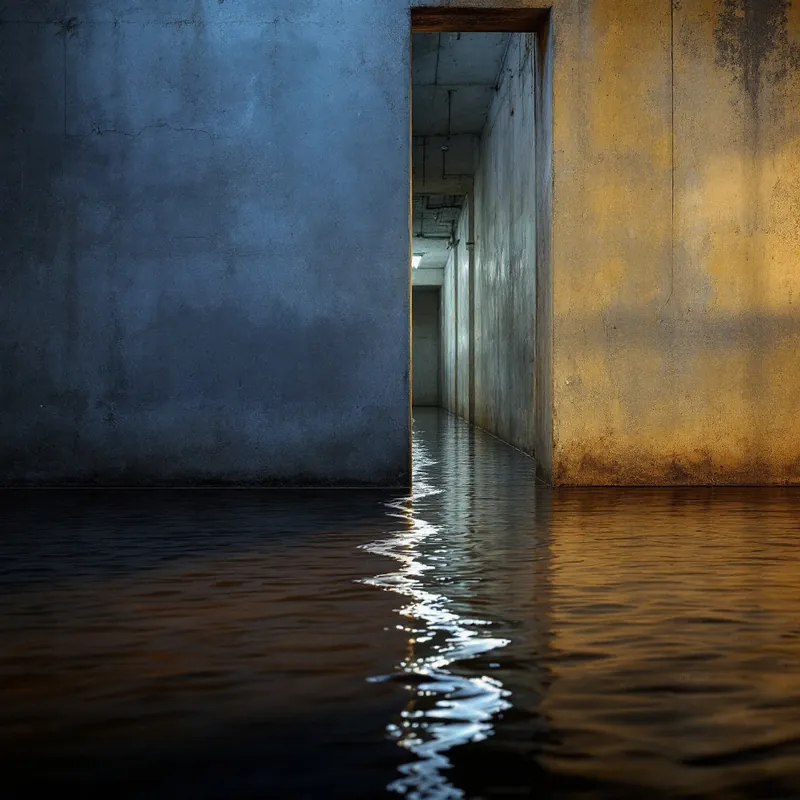
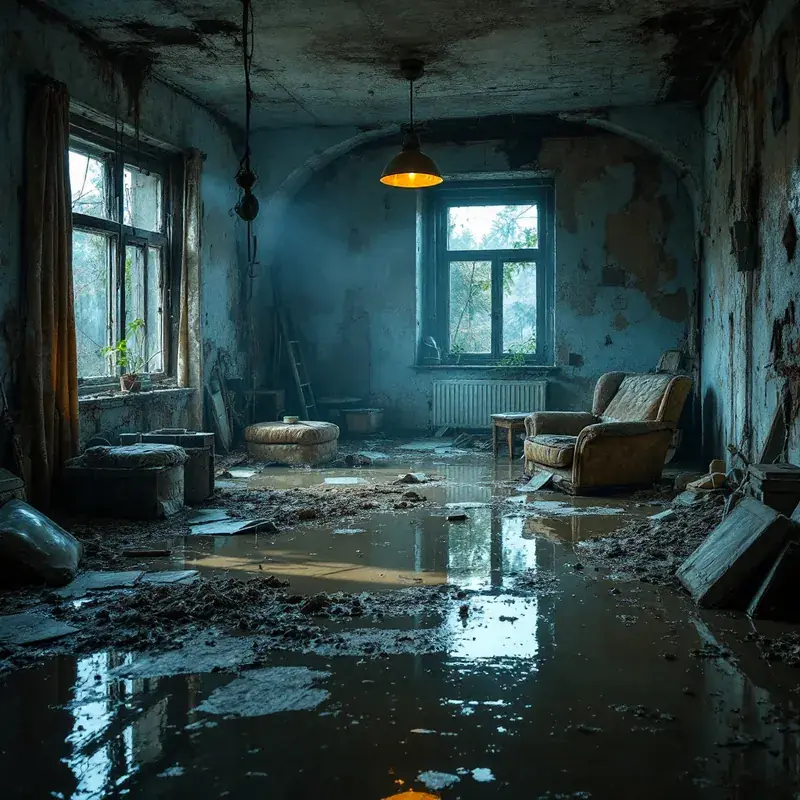
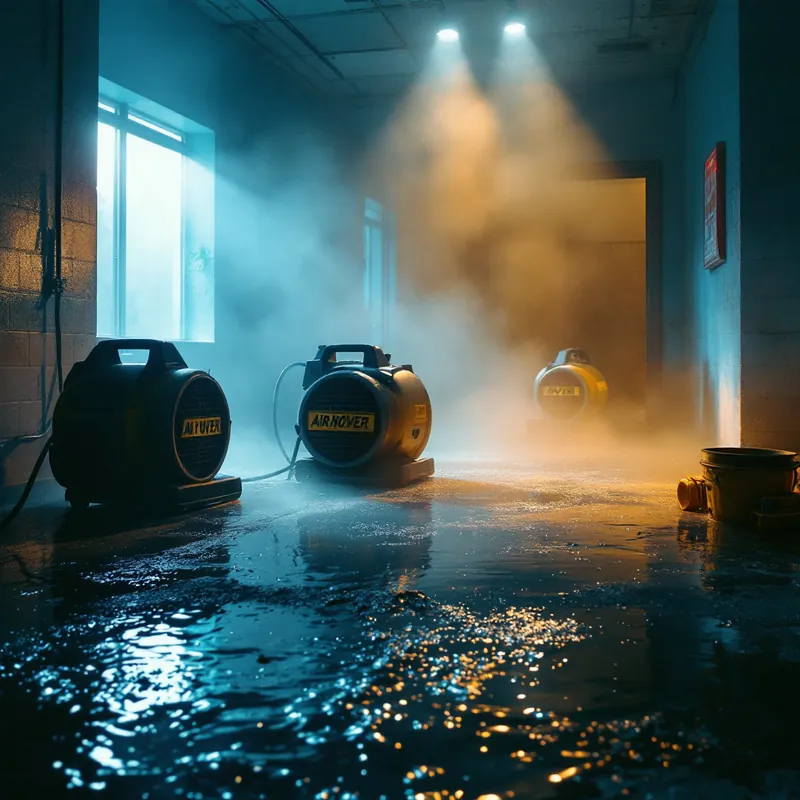
Getting a flooded basement dry takes commercial pumps and drying gear sized to the water, not a household wet-vac.








FAQ
Flood damage questions, answered
How much does it cost to repair flood damage?
It depends on how deep the water was, the square footage affected, how contaminated the water is, and how much material must be removed and rebuilt. A partly flooded basement is a smaller job than one under several feet of contaminated water. An on-site inspection gives you an exact figure.
Does homeowners insurance cover flooding?
Usually not. Flooding that rises from outside , storms, overflowing rivers, surface water, is excluded from standard homeowners policies and needs separate flood insurance (NFIP or private). Water from inside the home, like a burst pipe, is a different peril and is often covered.
What is the difference between remediation and restoration?
Remediation (or mitigation) is the emergency work that stops further damage, water extraction, drying and sanitizing. Restoration is the rebuild that follows, repairing drywall, flooring and finishes to pre-loss condition. One flood job includes both phases.
Can I clean up a flooded basement myself?
Small amounts of clean water can be handled with a wet-vac and fans once the power is safely off. Deep water, sewage or storm flooding, and anything left more than 24–48 hours needs professional pumps, drying and sanitizing to prevent mold and contamination.
Is flood water dangerous?
Yes. Flood and storm water is usually Category 3 "black water" that can carry sewage, bacteria and chemicals, and standing water over submerged outlets is an electrocution hazard. Crews use protective equipment and disinfect everything they can't remove.
How long does flood restoration take?
Extraction is usually same-day. Drying a flooded basement typically runs several days depending on how much water there was and the materials involved; concrete and saturated framing take longer. The rebuild phase follows once everything reads dry.
Sources & Standards
Flood safety and insurance guidance follows Ready.gov , Floods, FEMA, Flood Insurance (NFIP) and FloodSmart.gov. Health & cleanup after a flood: CDC , Floods and US EPA, Flood Cleanup. Water categories and drying follow the IICRC S500 standard (IICRC).
Why the first call matters
The first-hour match — water damage is priced by the hour it sat, not by the hour you called
Standing water stops being the problem within a day. What it leaves behind — saturated drywall, wet insulation, a subfloor that keeps giving moisture back into the room — is what the invoice is actually made of, and it grows while the house looks calm.
That is not a failure of homeowners who waited. It is how the trade is arranged: you call a company, it comes when its schedule allows, and the clock keeps running in between. Our line is open every day of the year, and the call reaches an independent licensed and insured restoration company that covers your area now rather than tomorrow. We do not do the work ourselves — we are paid for the introduction, which is set out in how we make money.
Two things decide what this costs, and both are settled in the first hours. Moisture readings and photographs taken before anything is torn out are what an adjuster later accepts or disputes, and mold needs only a day or two of damp material to start. Neither waits for an appointment. And if the water came from outside — a river, a storm surge, groundwater — say so on the call. That is flood, a separate policy that a homeowners policy does not cover, and you should hear it from us before anyone arrives rather than after.