Flooded Crawl Space
Flooded Crawl Space? Dry it before it spreads up
A flooded crawl space is easy to ignore, until the wood above it rots, the insulation falls, and mold from below rises into the house you breathe. Pump it out, dry it properly, and stop the water from coming back. We connect you with crews dispatching 24/7 across the US, and the inspection is free.
No obligation · Insurance-friendly · Independent licensed & insured local companies
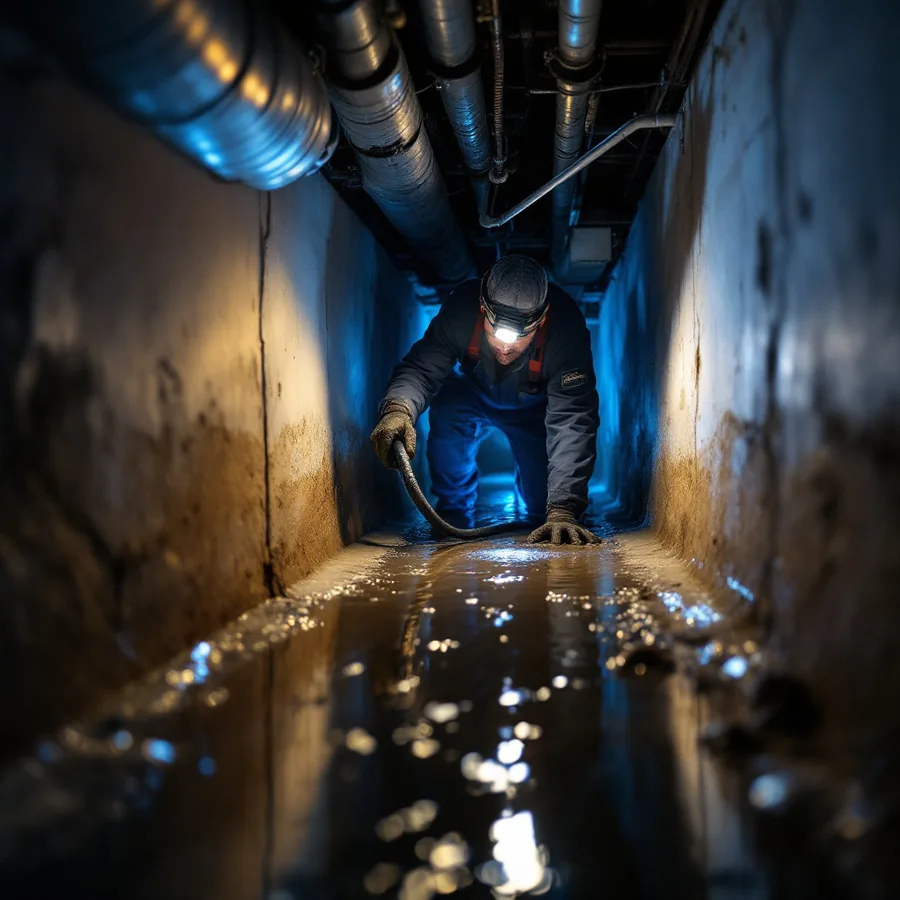 Out of sight isn't out of harm
every day of the year
A crawl space is out of sight, so its flood gets ignored, but the damage rises into the home above it. If yours holds water or smells musty, call us. New to us? See how we work.
Why It Happened
Why is my crawl space flooded?
Crawl spaces sit at the lowest point of the house, so water finds them first. Knowing the source is how you stop it coming back.
Groundwater after rain
Heavy rain raises the water table and pushes groundwater up through the soil floor, the most common cause, and like outside flooding it usually isn't covered without flood insurance.
Poor drainage & grading
Ground that slopes toward the house, clogged gutters and short downspouts send yard and roof water straight into the crawl space.
A plumbing leak
Supply and drain pipes often run through the crawl space, a burst pipe floods it with clean water, a cracked drain line with contaminated water.
Failed crawl-space sump
Many crawl spaces rely on a sump pump. When it fails, jams or loses power, the water it should eject collects instead.
Vapor barrier gaps
Tears or gaps in the plastic vapor barrier let ground moisture and water pool on top of it instead of being sealed out.
After encapsulation
An encapsulated crawl space can still flood if the drainage or sump wasn't set up right, sealing it without managing water traps the water underneath.
Why It Matters
The dangers of a wet crawl space
"It's just the crawl space" is how a small water problem becomes a structural and health one. What happens down there doesn't stay down there.
- Wood rot. Standing water and damp air rot the joists, beams and subfloor holding up your floor, the most expensive way to ignore a crawl space.
- Mold rising into the home. The stack effect draws crawl-space air upward, so mold and musty smell from below end up in the rooms you live in.
- Pests, rust & energy loss. Damp invites termites and rodents, rusts ductwork and metal, and ruins insulation, driving up energy bills.
The musty-smell connection
If your home smells musty and you can't find why, the crawl space is a prime suspect. Drying it and controlling its humidity is often what finally clears the odor and mold inside, treating the source, not the symptom.
Get it inspected freeThe Fix
How a flooded crawl space is dried out
Inspect & assess
The crew checks the water source and category, the vapor barrier, insulation and the wood above for damage and mold.
Pump the water
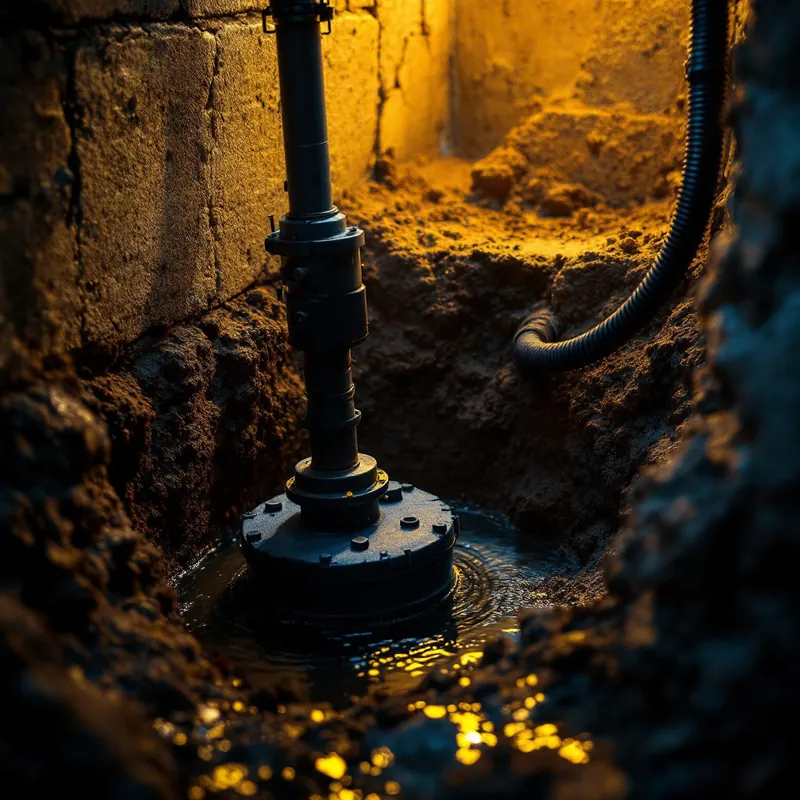
Submersible pumps clear the standing water, and saturated debris and torn vapor barrier are removed.
Dry the space
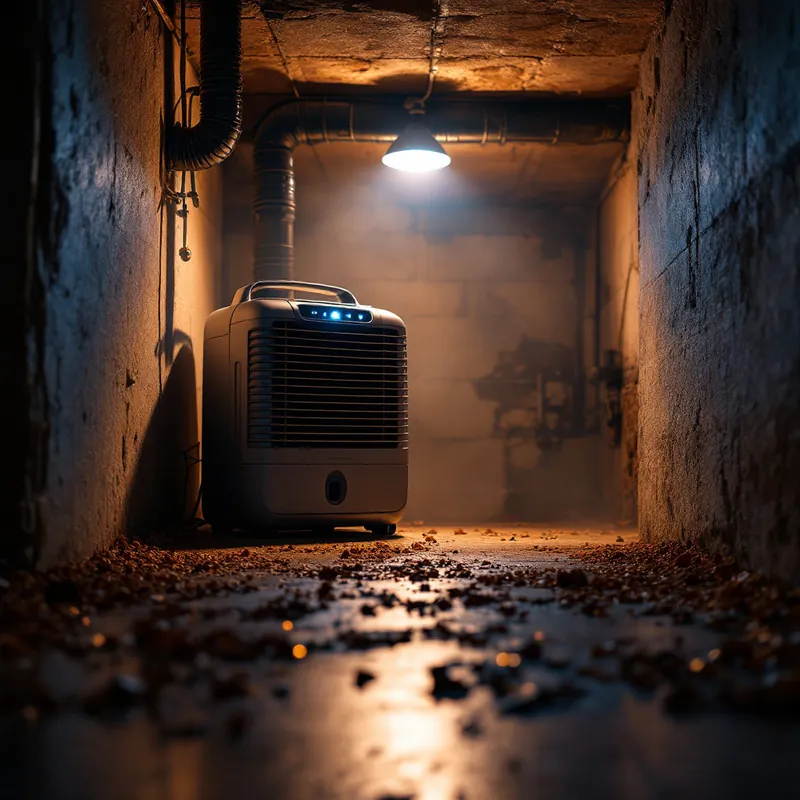
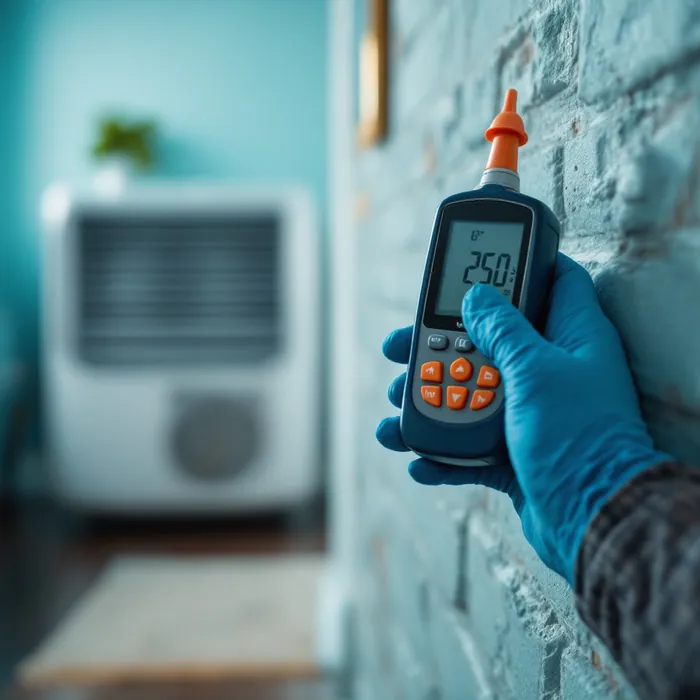
Air movers and a dehumidifier dry the soil, wood and insulation, crawl spaces stay damp, so this is verified with moisture meters.
Treat & remove mold
Any mold on the joists is remediated and surfaces are treated to stop it returning.
Prevent a repeat
New vapor barrier, better drainage, a sump pump or full encapsulation keeps the next storm out for good.
Free Instant Tool
Flooded crawl space: cause, coverage & fix checker
Tell us where the water came from and how wet the crawl space is, and get an instant read on the water type, whether homeowners insurance is likely to cover it, if it's safe to handle yourself, and your best next step. It's a fast orientation while you call, not a quote or a coverage promise. Your policy and situation decide.
Never Again
Keeping the crawl space dry for good
Once it's dried, the goal is to make sure water can't come back. These are the defenses that keep a crawl space dry.
Encapsulation
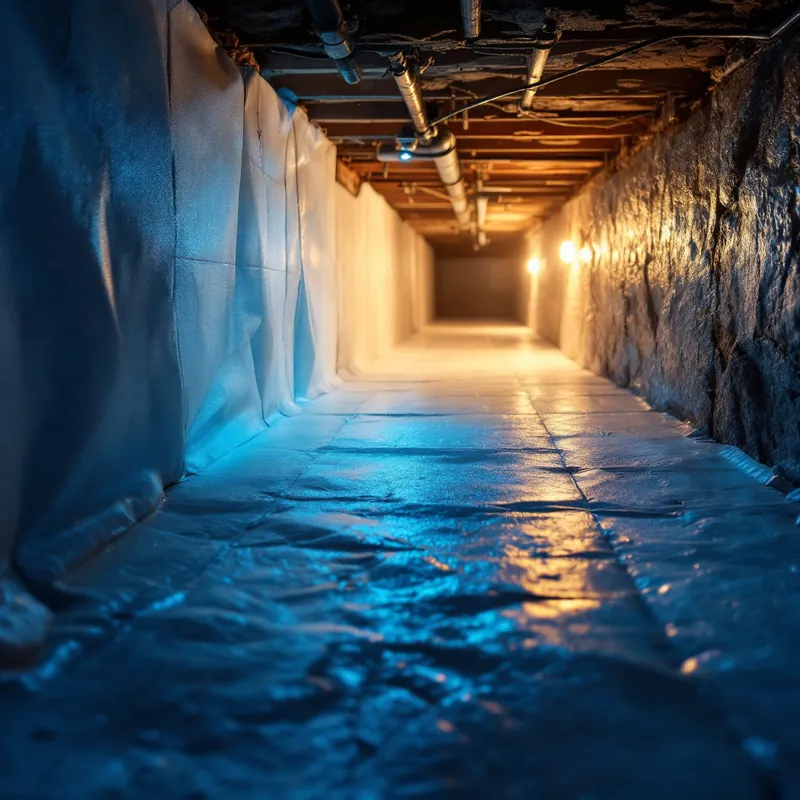
Sealing the crawl space with a heavy vapor barrier over the floor and walls, plus a dehumidifier, locks out ground moisture and humidity, done on a dried, drained space.
A crawl-space sump pump
A sump with a battery backup ejects any water that does get in, before it can pool and soak the wood above.
Fix the drainage
Regrading, clearing gutters and extending downspouts keeps rain and yard water away from the foundation and out of the crawl space.
Seal entry points
Sealing foundation cracks and gaps where pipes enter closes the paths groundwater uses to seep in.
Control the humidity
A dedicated dehumidifier keeps the crawl space below the humidity mold needs, protecting the wood and the air above.
Check it seasonally
A quick look after big storms catches water early, a wet vapor barrier is a warning before it becomes a flood.
What It Costs
Flooded crawl space cost
Pumping and drying a crawl space is modest; the cost rises with what the water ruined and whether you add defenses to prevent a repeat.
Pump & dry
Clearing the water and drying the space caught early, the least expensive path, and the one fast action keeps you on.
Replace & remediate
New insulation and vapor barrier, plus mold remediation on the joists if it sat and grew, added on top of drying.
Prevent a repeat
Drainage, a sump pump or full encapsulation to stop it happening again, see the full cost guide.
How It's Dried
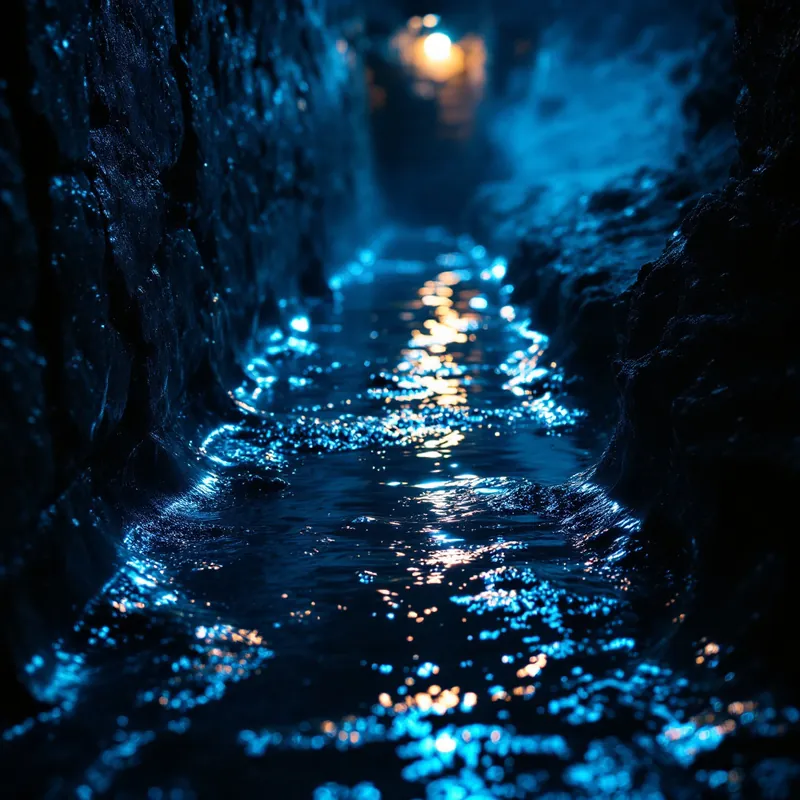
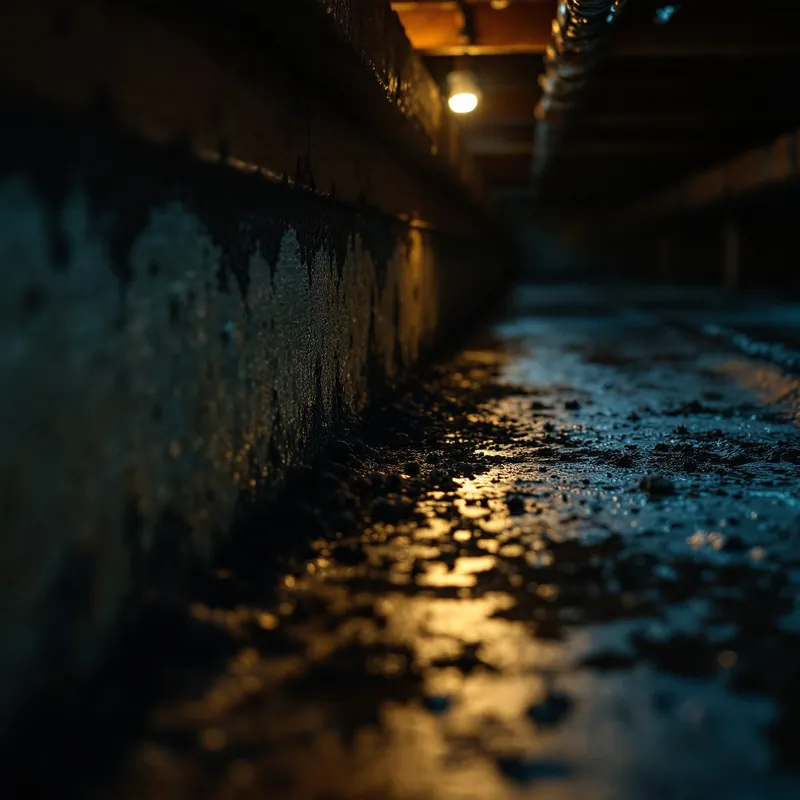
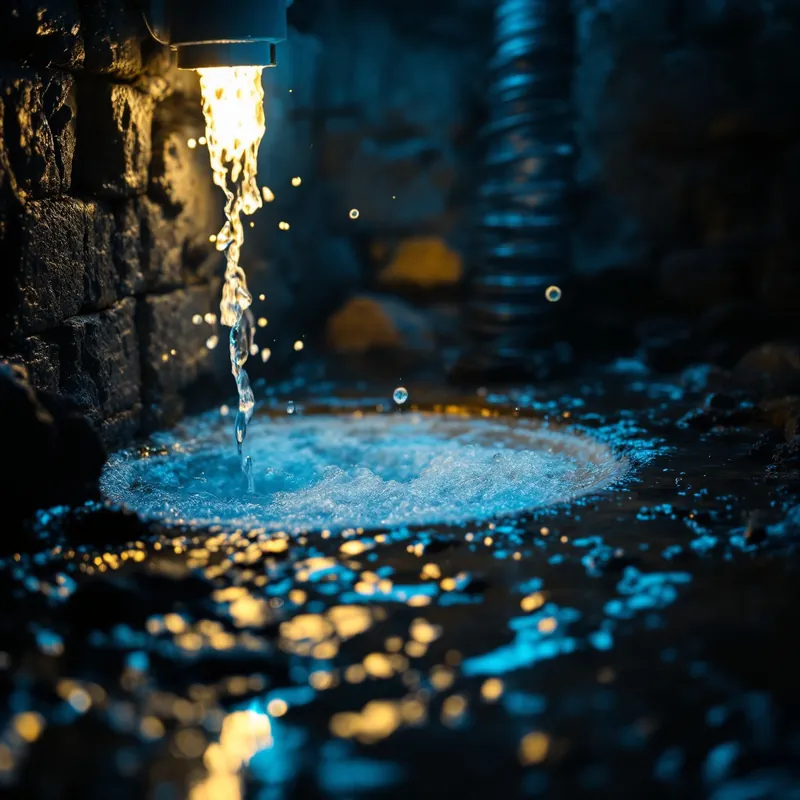
A flooded crawl space, from water to dry
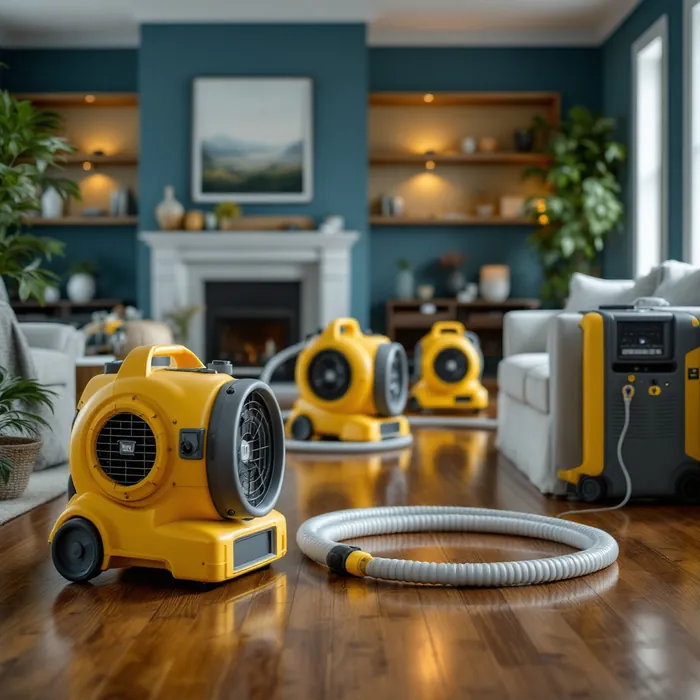
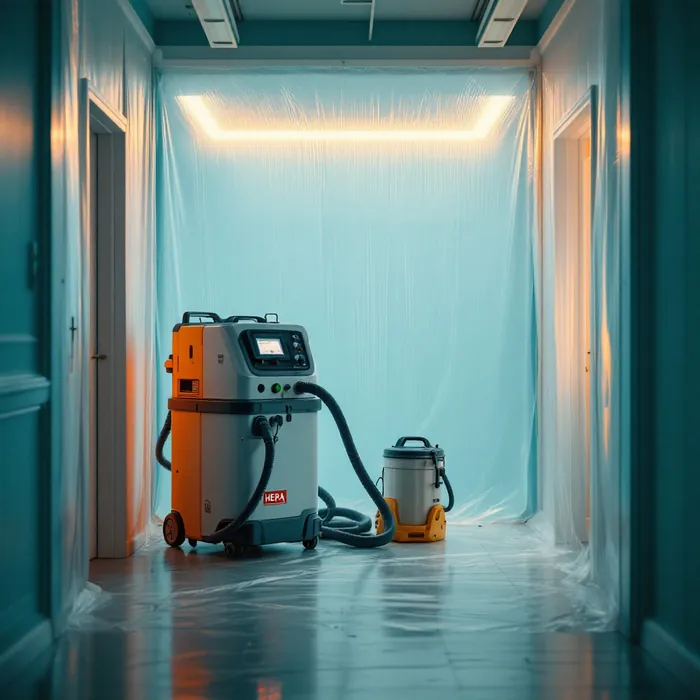
A tight, damp crawl space is hard to dry, it takes pumps to clear the water and commercial drying to pull moisture from soil, wood and insulation. This is the gear a crew brings.

FAQ
Flooded crawl space questions, answered
Why is my crawl space flooded?
The most common causes are groundwater rising after heavy rain, poor exterior drainage and grading, a plumbing leak from pipes running through the crawl space, a failed crawl-space sump pump, and gaps or tears in a vapor barrier. Water can also collect under an encapsulated crawl space if the drainage or sump wasn't set up right.
Is a flooded crawl space a serious problem?
Yes. Standing water and damp air rot the wood floor structure above, rust ductwork and metal, grow mold, and attract pests. Because air rises from the crawl space into the home, that mold and moisture affect the air you breathe, a wet crawl space is a whole-house problem, not just a foundation one.
How do you dry out a flooded crawl space?
Pump out the standing water with a submersible pump, remove any saturated debris and torn vapor barrier, then run air movers and a dehumidifier to dry the soil, wood and insulation. Because crawl spaces stay damp, drying is verified with moisture meters and often paired with better drainage or a sump.
Can water in a crawl space cause mold in the house?
Yes. A damp crawl space grows mold on the wood joists and subfloor, and the stack effect draws that air upward into the living space, carrying spores and musty odor with it. Drying the crawl space and controlling its humidity is often what finally clears mold and smell inside the home.
Should I encapsulate my crawl space after it floods?
Often, yes, once it's dried. Encapsulation seals the crawl space with a heavy vapor barrier and adds a dehumidifier and usually a sump pump, keeping groundwater and humidity out for good. But it must be done on a dried, drained crawl space, or it can trap water underneath instead of keeping it out.
How much does it cost to fix a flooded crawl space?
Pump-out and drying alone is modest; the cost rises if insulation and vapor barrier must be replaced, mold has grown, or you add drainage, a sump pump or full encapsulation to prevent a repeat. An on-site inspection gives an exact figure for your crawl space.
Does insurance cover a flooded crawl space?
As with a basement, it depends on the cause. A sudden burst pipe in the crawl space is usually covered; groundwater and outside flooding are excluded without flood insurance; and sump-pump backups need a specific rider. Documenting the source is what decides coverage.
Sources & Standards
Drying and mold guidance follows the IICRC S500 Standard and references the US EPA and CDC on damp-space mold and health. Flood and drainage safety references Ready.gov floods and NWS flood safety, and flood-insurance rules reflect the FEMA National Flood Insurance Program. See our editorial standards.
Keep Reading
Related water damage help
Flooded basement
The other low point that floods, safety, pump-out and prevention.
Water extraction
The emergency pump-out that clears standing water from below.
Mold remediation
Removing mold from crawl-space joists before it rises into the home.
Burst pipe
A leaking pipe in the crawl space, a common hidden flood source.
Restoration cost guide
What drying, remediation and encapsulation cost in 2026.
Water damage restoration
Our full 24/7 emergency water removal, drying and repair service.
What's wet down there rises into the house above
Get your crawl space dried out
A certified crew pumps out the water, dries the wood and soil, handles any mold and helps you keep it from coming back, on call 24/7 across the US.
Call (888) 217-7423Why the first call matters
The first-hour match — water damage is priced by the hour it sat, not by the hour you called
Standing water stops being the problem within a day. What it leaves behind — saturated drywall, wet insulation, a subfloor that keeps giving moisture back into the room — is what the invoice is actually made of, and it grows while the house looks calm.
That is not a failure of homeowners who waited. It is how the trade is arranged: you call a company, it comes when its schedule allows, and the clock keeps running in between. Our line is open every day of the year, and the call reaches an independent licensed and insured restoration company that covers your area now rather than tomorrow. We do not do the work ourselves — we are paid for the introduction, which is set out in how we make money.
Two things decide what this costs, and both are settled in the first hours. Moisture readings and photographs taken before anything is torn out are what an adjuster later accepts or disputes, and mold needs only a day or two of damp material to start. Neither waits for an appointment. And if the water came from outside — a river, a storm surge, groundwater — say so on the call. That is flood, a separate policy that a homeowners policy does not cover, and you should hear it from us before anyone arrives rather than after.