Insurance Claim Guide
Water Damage Insurance Claim, done right
Whether a water damage claim is approved comes down to two things: what caused it, and how well you document it. Here's what homeowners insurance covers, how to file a claim that gets paid, and why claims get denied, plus how fast, documented restoration protects yours.
No obligation · Insurance-friendly · Independent licensed & insured local companies
 Documentation wins claims
& written estimate
This is general guidance, not a coverage promise, your policy has the final word. But the pattern is consistent across insurers, and the same fast, documented response that limits damage is what protects your claim. Need help now? Call us or see how we work.
The Short Answer
Does homeowners insurance cover water damage?
Usually, but only for the right cause. Standard homeowners policies cover water damage that is sudden and accidental, and exclude damage that builds up slowly or comes from outside flooding. These are the everyday examples:
Covered: burst pipe
A pipe that suddenly bursts, including a frozen pipe, if the home was heated, and the water damage it causes inside.
Covered: appliance failure
A washing-machine hose or water heater that suddenly fails and floods, minus your deductible.
Covered: storm & roof
Rain that enters through a storm-damaged roof or broken window, the sudden, accidental interior damage.
Not covered: gradual leak
A slow leak under a sink or in a wall that dripped for months. Insurers treat this as a maintenance issue you should have caught.
Not covered: flooding
Rising water from outside, storms, rivers, surge. This is excluded from standard policies and needs separate flood insurance.
Not covered: neglect
Damage from deferred maintenance , an aging roof, worn seals, a leak you knew about, is generally denied.
The Line That Decides Everything
Sudden vs. Gradual, why it matters
Almost every water damage claim turns on one question the adjuster asks first: was this sudden and accidental, or slow and preventable? That single distinction decides most approvals and denials.
- Sudden & accidental. A specific event caused it quickly, a pipe bursts, a hose fails, a storm breaches the roof. Generally covered.
- Gradual & preventable. It built up over weeks or months from a condition you could have noticed and fixed. Generally excluded.
- Why speed proves it. Acting fast and documenting the source helps show the damage was sudden, not something that sat and worsened on your watch.
The same leak, two outcomes
A supply line that bursts and floods today is usually covered. The same line dripping unnoticed for six months is usually denied as maintenance. The difference isn't the water, it's the timeline, and how well you can show it.
Get documented helpStep By Step
How to file a water damage insurance claim
A claim that gets approved is a claim that's well documented and filed promptly. Work through these in order.
1. Stop the damage
Shut off the water and take reasonable steps to prevent more damage, your policy requires it. Start professional extraction and drying, and keep receipts.
2. Document everything
Before cleanup, photograph and video the source, the standing water and every damaged item. Make a written inventory of damaged belongings with rough values.
3. Review your policy
Check what's covered, your deductible, and any water-damage or mold sub-limits, so you know what to expect before you file.
4. File promptly
Report the loss to your insurer as soon as you can, prompt reporting is a policy condition. Get your claim number and the adjuster's contact.
5. Meet the adjuster prepared
Walk the adjuster through your photos, inventory, receipts and the restoration company's moisture readings and scope.
6. Get it in writing
Save every email and estimate, and complete any sworn proof of loss the insurer requires. Get the adjuster's scope and settlement in writing and compare it to the restoration estimate before you accept.
Avoid These
Why water damage claims get denied
Most denials come down to a handful of reasons, and nearly all of them are avoidable with fast action and good records. If a fair claim is still underpaid or denied, a public adjuster can document the loss and negotiate on your behalf.
Called "gradual"
The insurer decides the damage built up over time rather than from a sudden event. Documenting the source and acting fast is your best defense.
Flooding excluded
The water came from outside flooding, which a standard policy doesn't cover. Only separate flood insurance would.
Reported too late
Waiting to report , or to stop the damage, lets it worsen and gives the insurer grounds to deny. Report promptly.
Maintenance & neglect
Damage tied to deferred upkeep , an old roof, a known leak, is treated as your responsibility, not a covered loss.
Below the deductible
If the total is under your deductible, there's nothing to pay out. A on-site estimate tells you which side of that line you're on.
Thin documentation
No photos, no inventory, no moisture readings, a claim that can't be proven is easy to reduce or reject. Documentation wins.
Working With The Adjuster
How to work with the insurance adjuster
Be ready
Have your photos, written inventory, receipts and the restoration scope organized before the adjuster arrives.
Show the moisture
The restoration crew's moisture readings prove hidden, structural wetness the eye can't see, and support a fuller scope.
Walk the whole loss
Point out every affected area, including hidden damage in walls, subfloor and the attic, not just the obvious stains.
Compare the scope
Check the adjuster's estimate against the restoration estimate. If it misses damage, ask for a re-inspection with evidence.
Get it in writing
Keep the scope, settlement and every communication in writing so nothing is disputed later.
Free Instant Tool
Is my water damage insurance claim covered?
Tell us what caused the damage and how fast you acted, and get an instant read on whether a standard homeowners policy is likely to cover it, why, and what you'll need to back it up. It's a fast orientation while you call, not a quote or a coverage promise. Your policy and situation decide.
The Two Big Exceptions
Does insurance cover mold and flooding?
These two come up on almost every water claim, and both have their own rules that trip homeowners up.
Mold, sometimes
If mold results directly from a sudden, covered event and you acted promptly, remediation is often covered, frequently with a policy sub-limit. Mold from long-term humidity or a neglected leak is usually excluded.
Flooding, separate policy
Rising water from outside is never covered by a standard homeowners policy. It requires a separate flood insurance policy, often through the federal NFIP.
Sub-limits & caps
Even when mold or certain water damage is covered, policies often cap the payout. Read your sub-limits so a big loss doesn't come with a small check.
The Payout
How much does insurance pay for water damage?
Once a claim is approved, the check is rarely the full repair bill. Three things decide what you actually receive, and knowing them before you file keeps you from being underpaid.
ACV vs. Replacement cost
An actual cash value (ACV) policy pays the depreciated value of what was damaged; a replacement cost value (RCV) policy pays what it costs to replace it new. RCV pays more, check which you have before you assume a number.
Dwelling vs. Belongings
Damage to the structure is paid under your dwelling coverage (Coverage A); ruined furniture and belongings come from personal property (Coverage C), often at a lower limit and its own deductible.
Sub-limits & deductible
Your deductible comes off the top, and any water-damage or mold sub-limit caps that portion, so a large loss can still come with a smaller check. Read both before you file.
Because the payout hinges on documented value, a written inventory and a professional restoration estimate, not a rough guess, are what secure the full covered amount instead of a lowball offer.
Our Part
How fast restoration protects your claim
The same response that saves your home also saves your claim. A certified crew does three things insurers want to see.
Limits further damage
Your policy requires you to prevent further damage. Fast extraction and drying meet that duty, and keep a small loss from becoming a denied "you let it sit" argument.
Documents the loss
Crews photograph the damage, log moisture readings and write an adjuster-ready scope, the evidence that carries a claim.
Prices it properly
A detailed restoration estimate gives you something concrete to compare the adjuster's offer against, so you're not underpaid.
The Evidence
What documents a claim, start to finish
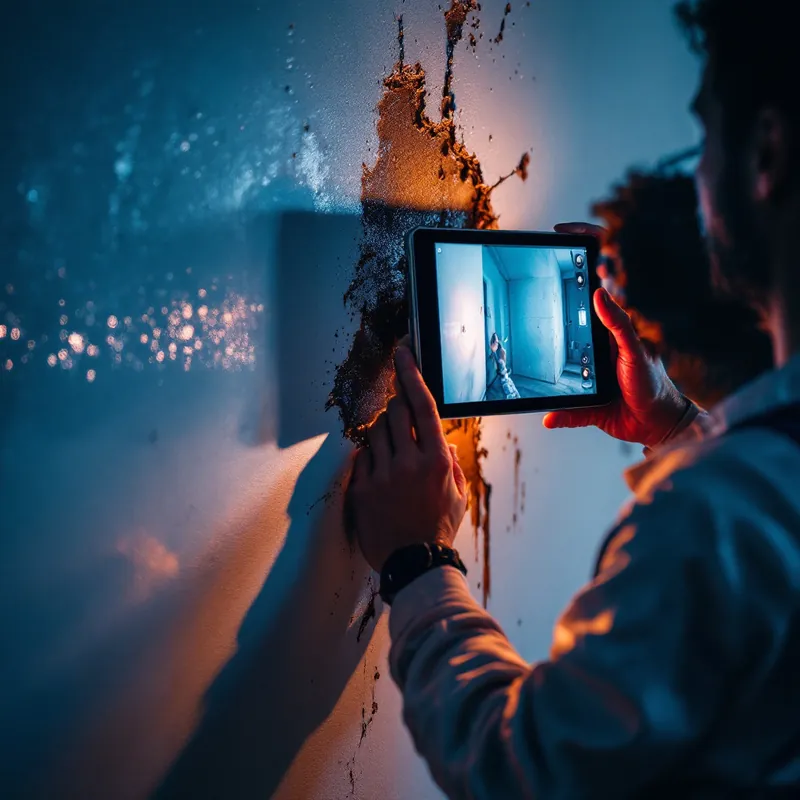
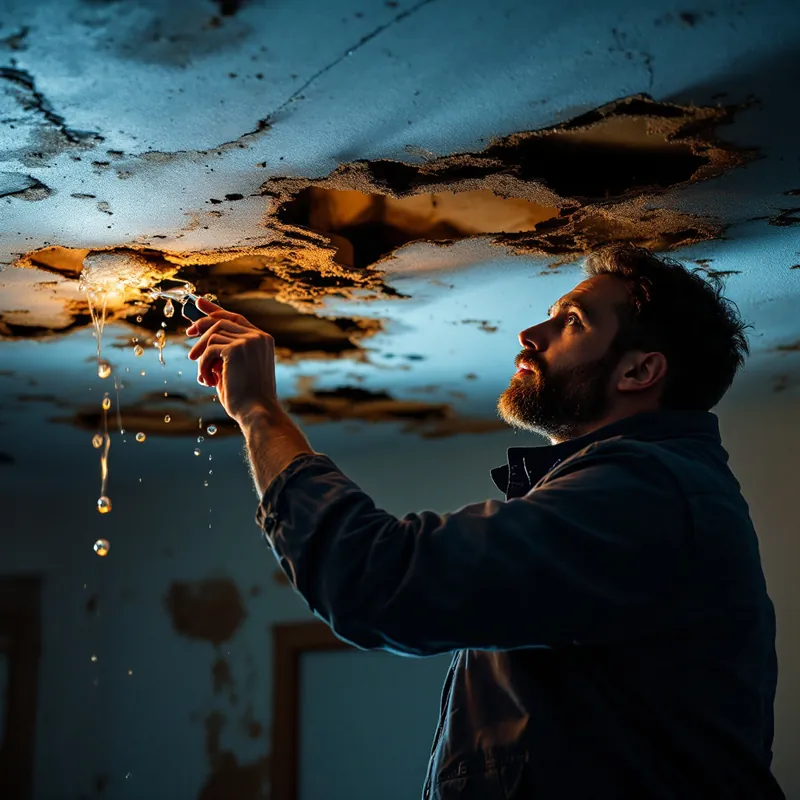
A strong claim isn't just photos of a stain, it's proof of hidden, structural moisture and a professional scope. This is the gear that produces that evidence.









FAQ
Water damage claim questions, answered
Does homeowners insurance cover water damage?
Usually, when the damage is sudden and accidental , a burst pipe, a failed appliance, or storm water entering through a damaged roof, minus your deductible. Damage from gradual leaks, lack of maintenance, or natural flooding is typically excluded; flooding needs separate flood insurance.
How do I file a water damage insurance claim?
Stop the water and prevent further damage, document everything with photos and a written inventory before cleanup, review your policy, then report the loss to your insurer promptly. Meet the adjuster with your documentation and the restoration company's moisture readings, and get the scope and settlement in writing.
Why do water damage claims get denied?
The most common reasons are damage classed as gradual or maintenance-related rather than sudden, flooding excluded from a standard policy, a delay in reporting or preventing further damage, a cause specifically excluded in the policy, or the total falling below the deductible. Good documentation and fast action prevent most of these.
What is the difference between sudden and gradual water damage?
Sudden and accidental damage happens quickly from a specific event , a pipe bursts, a hose fails, a storm breaches the roof, and is generally covered. Gradual damage builds slowly from a leak or condition you could have noticed and fixed, and is generally treated as a maintenance issue and excluded.
Does insurance cover mold from water damage?
If the mold results directly from a sudden, covered water event and you acted promptly, remediation is often covered, sometimes with a policy sub-limit. Mold from long-term humidity or a neglected leak is usually excluded. Documenting the water source and acting fast is what protects mold coverage.
How much does homeowners insurance pay for water damage?
After your deductible, a covered claim pays to repair the damage up to your policy limits, but how much depends on whether you have replacement-cost (RCV) or actual-cash-value (ACV) coverage, and on any water or mold sub-limits. Structural damage is paid under dwelling coverage and belongings under personal-property coverage. A written inventory and a professional restoration estimate are what secure the full covered amount.
Will filing a water damage claim raise my premium?
It can. Insurers factor claim history into pricing, and several claims within a few years can raise your premium or affect renewal. For a loss close to your deductible, paying out of pocket may be cheaper over time, get an on-site estimate and compare it to your deductible before you file.
Should I file a claim or pay out of pocket?
If the restoration cost is close to or below your deductible, paying out of pocket may make more sense than filing, since claims can affect future premiums. Get an on-site inspection and a written estimate first so you can compare the cost to your deductible before you decide.
How long do I have to file a water damage claim?
Policies require prompt reporting, and waiting can be grounds for denial because it lets damage worsen. Report the loss as soon as you reasonably can , ideally within a day or two, even while you focus on stopping the water and getting it dried.
Sources & Standards
Flood-coverage rules reflect the FEMA National Flood Insurance Program, with homeowner flood-safety guidance from Ready.gov floods and the National Weather Service. Mold-coverage and cleanup thresholds reference the US EPA and CDC. Restoration and moisture documentation follow the IICRC S500 Standard. This page is general information, not legal or insurance advice, your own policy governs your coverage. See our editorial standards.
Keep Reading
Related water damage help
Restoration cost guide
What water damage restoration costs, and how it compares to your deductible.
Burst pipe
The classic covered claim, what to do and how to document it.
Appliance leaks
Sudden appliance failures, and the maintenance trap that gets them denied.
Flood damage
Why flooding needs its own policy, and what NFIP covers.
Mold remediation
When mold is covered, and the sub-limits to watch for.
Water damage restoration
Our 24/7 crews document every job adjuster-ready.
A documented loss is a paid claim
Get an adjuster-ready inspection
A certified crew documents the damage, logs moisture readings and writes a scope your adjuster can work from, on call 24/7 across the US.
Call (888) 217-7423Why the first call matters
The first-hour match — water damage is priced by the hour it sat, not by the hour you called
Standing water stops being the problem within a day. What it leaves behind — saturated drywall, wet insulation, a subfloor that keeps giving moisture back into the room — is what the invoice is actually made of, and it grows while the house looks calm.
That is not a failure of homeowners who waited. It is how the trade is arranged: you call a company, it comes when its schedule allows, and the clock keeps running in between. Our line is open every day of the year, and the call reaches an independent licensed and insured restoration company that covers your area now rather than tomorrow. We do not do the work ourselves — we are paid for the introduction, which is set out in how we make money.
Two things decide what this costs, and both are settled in the first hours. Moisture readings and photographs taken before anything is torn out are what an adjuster later accepts or disputes, and mold needs only a day or two of damp material to start. Neither waits for an appointment. And if the water came from outside — a river, a storm surge, groundwater — say so on the call. That is flood, a separate policy that a homeowners policy does not cover, and you should hear it from us before anyone arrives rather than after.