Roof Leak & Water Damage
Roof Leak? Here's what to do
A roof leak looks like a stain on the ceiling, but the real damage is above it, in the attic, insulation and walls where water hides and mold starts. Contain the drip, dry it fast, and get the roof fixed. We connect you with restoration crews 24/7 across the US, and the inspection is free.
No obligation · Insurance-friendly · Independent licensed & insured local companies
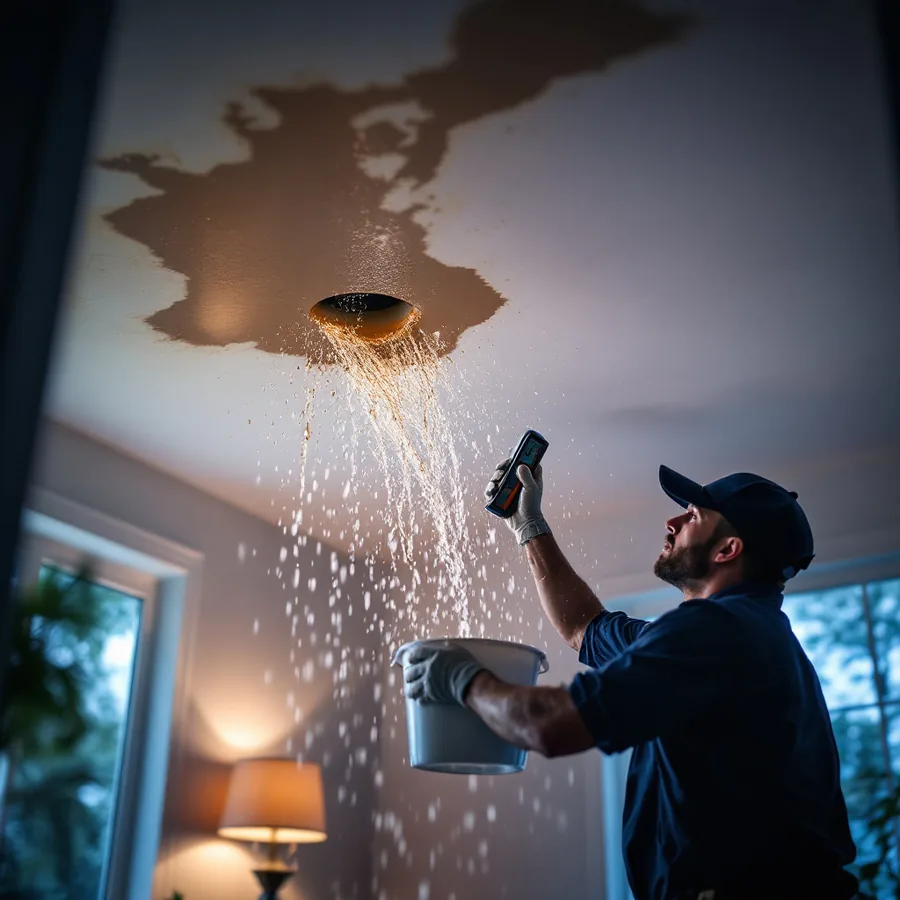 The stain is the small part
every day of the year
Fixing the roof stops the water; drying the inside saves the house. If a ceiling is bulging or water is pouring in now, call us first. New to us? See how we work.
Do These First
What to do when your roof is leaking
You can't fix the roof in the rain, but you can stop the leak from wrecking the inside. Work in order.
1. Contain the water
Put a bucket or bin under the drip and lay towels or a tarp. Catching the water keeps it off floors and out of the rooms below.
2. Move valuables clear
Slide furniture, electronics and rugs out from under the leak, and cover what you can't move with plastic sheeting.
3. Drain a bulging ceiling
If the ceiling is sagging with trapped water, put a bucket under it and pierce the center with a screwdriver to drain it in a controlled way, better than a sudden collapse.
4. Cut power if needed
If water is near light fixtures, outlets or the panel, shut off electricity to that area at the breaker and stay clear until it's safe.
5. Document everything
Photograph and video the drip, the ceiling stain and any damaged belongings before cleanup, it's the backbone of your insurance claim.
6. Call for drying + a roofer
Call a 24/7 restoration crew to dry the ceiling, attic and walls, and a roofer to fix the roof once the weather allows.
A saturated ceiling can collapse, don't stand under it
Call (888) 217-7423Why It Happened
Common causes of roof leaks
Knowing the source helps a roofer fix it right, and matters to your insurance, since storm damage is treated very differently from wear and age.
Damaged or missing shingles
Wind, hail and age crack, curl or tear off shingles, leaving the decking underneath exposed to every rain.
Failed flashing
The metal flashing that seals around chimneys, vents and skylights is the most common leak point when it lifts, rusts or pulls away.
Clogged gutters
When gutters overflow, water backs up under the roof edge and into the fascia and attic instead of draining away.
Ice dams
In winter, snow that melts and refreezes at the eaves forms a dam that forces water back up under the shingles, the same cold snap that freezes pipes.
Cracked vent boots
The rubber boots sealing plumbing vents dry out and crack after years of sun, letting water run straight down the pipe into the ceiling.
Storm damage & age
A storm exposes every weak point at once, and an old roof past its life simply gives up in enough places to leak.
Where The Water Goes
The water damage a roof leak causes
The stain you see is the last stop. On the way there, the water soaks through everything above, which is why drying a roof leak is about the parts you can't see.
Attic & insulation
Water hits the attic first, soaking insulation until it clumps and loses its R-value, and wetting stored belongings and framing.
Roof decking & framing
Left leaking, water rots the wood decking and rafters, structural damage that turns a simple dry-out into a rebuild.
The ceiling
Drywall stains, sags and eventually fails. See ceiling water damage for the signs and repair path once the leak is stopped.
Walls & lower floors
Water travels along framing and runs down inside walls to lower floors, showing up as stains and bubbling paint far from the actual leak.
Hidden mold
The damp, dark attic is ideal for mold, which can begin within 24–48 hours and spread before you ever see it.
Electrical hazards
Water reaching ceiling fixtures and wiring is a shock and fire risk, one more reason to kill power and get it dried fast.
The Restoration Side
How roof-leak water damage is repaired
Inspect & trace
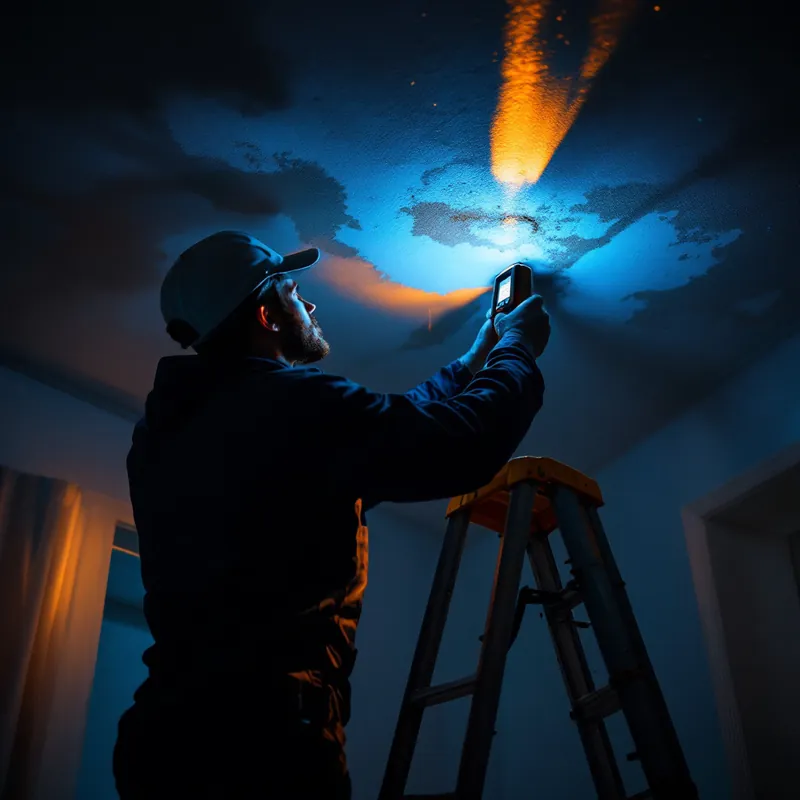
Meters and cameras find how far the water spread , through the attic, insulation, ceiling and walls, beyond the visible stain.
Contain & extract
Standing water is removed and the area is protected while the roof is temporarily covered against more rain.
Dry the structure
Air movers and dehumidifiers dry the attic, framing, ceiling and walls over several days until moisture readings are normal.
Remove & treat
Ruined insulation and saturated drywall are removed, and antimicrobial treatment stops mold in the damp aftermath.
Rebuild
New insulation, drywall, paint and trim return the space to normal, once the roofer has stopped the leak for good.
Free Instant Tool
Roof leak: covered & how urgent
Tell us the likely cause and whether it's leaking right now, and get an instant read on whether homeowners insurance tends to cover it, how urgent it is, and your best next step. It's a fast orientation while you call, not a quote or a coverage promise. Your policy and situation decide.
What It Costs
Roof leak repair cost
A roof leak leaves you with two bills: fixing the roof, and repairing the water damage it caused inside. The interior side is the bigger variable, and it's driven by how long the water sat.
The roof repair
A roofer handles the roof itself, from a few hundred dollars for a small patch or flashing fix to far more for a section or full replacement.
The interior restoration
Drying the attic and ceiling, replacing insulation and drywall, repainting. This scales with how far the water spread and how long it leaked.
Speed is the lever
Caught early, it's a dry-out and a patch. Ignored, it becomes rotted decking, ruined insulation and mold, see the full cost guide.
Who Pays
Does insurance cover a roof leak?
Often the interior damage is covered, but it turns on why the roof leaked. Insurers separate sudden storm damage from slow wear and tear.
- Usually covered. Interior water damage from a sudden event, a storm, wind or a fallen branch that breaches the roof, is typically covered, minus your deductible.
- Usually not covered. Leaks blamed on age, wear or deferred maintenance, and often the roof repair itself, are commonly excluded as a homeowner's responsibility.
- Documentation decides. Photos of the storm damage and the interior harm, and evidence you acted fast, are what carry a borderline claim.
Act fast, document everything
Because coverage hinges on you preventing further damage, tarping the roof, drying the inside and photographing it all directly protect both your home and your claim.
Get documented helpNever Again
How to prevent roof leaks
Most roof leaks give warning signs long before the ceiling stains. A little upkeep catches them while they're cheap.
Clean the gutters
Clear gutters and downspouts twice a year so water drains away instead of backing up under the roof edge and into the fascia.
Inspect after storms
After high wind or hail, look for missing, cracked or lifted shingles and displaced flashing, from the ground with binoculars is fine.
Check the flashing & boots
The seals around chimneys, vents, skylights and plumbing boots fail first. Have them checked and resealed before they leak.
Watch the attic
Look in the attic a few times a year for water stains, damp insulation or daylight through the decking, the earliest warning of a leak.
Prevent ice dams
Good attic insulation and ventilation keep the roof cold and even, so snow doesn't melt, refreeze at the eaves and force water back up under the shingles.
Replace an aging roof
A roof past its service life leaks in more places every season. Planning the replacement beats paying for repeat water damage inside.
How It's Dried
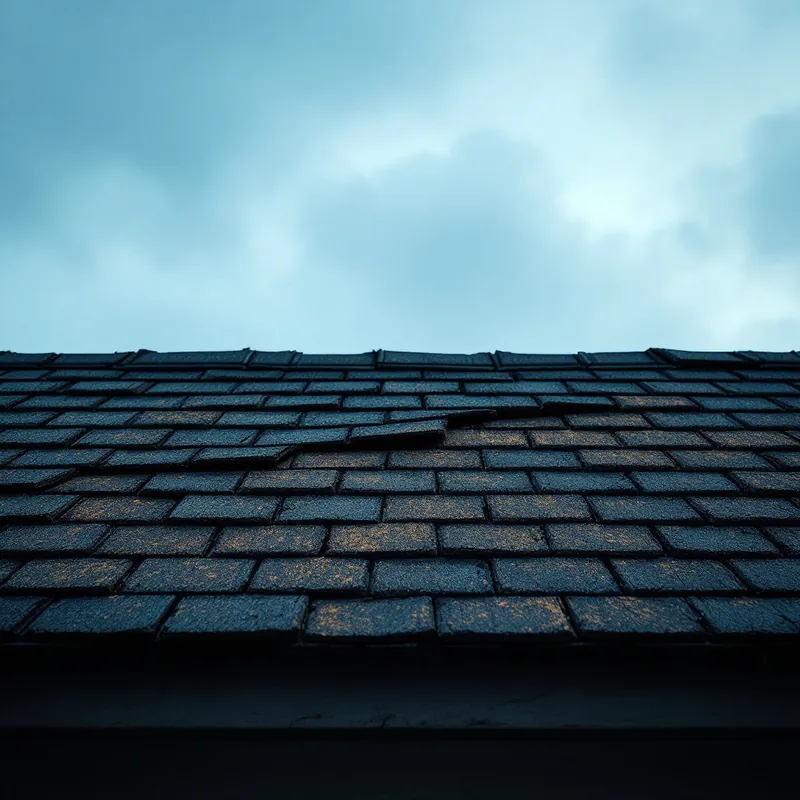
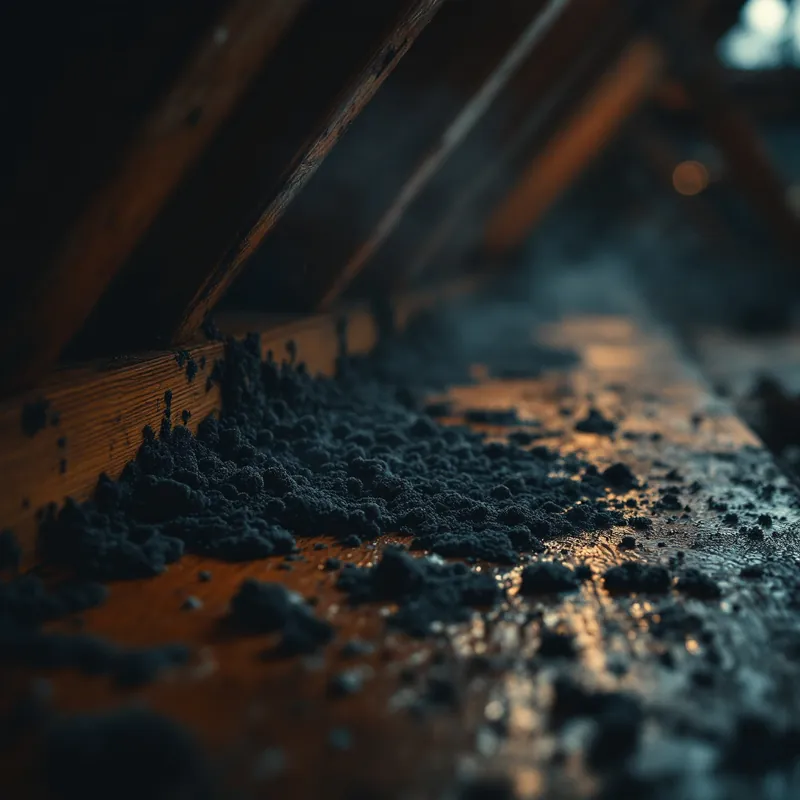
A roof leak, from the shingle to the stain
Because a roof leak soaks the attic and insulation you can't see, drying it properly takes more than a bucket and a fan. This is the gear a crew uses to find and remove the hidden moisture.







FAQ
Roof leak questions, answered
What should I do first when my roof is leaking?
Contain the drip with a bucket and towels, move valuables clear, and if the ceiling is bulging with trapped water, pierce the center over a bucket to drain it safely. Cut power if water is near fixtures, photograph everything for insurance, then call a restoration crew to dry it out and a roofer to fix the roof.
Is a roof leak an emergency?
An active leak during a storm is urgent, water spreads into the ceiling, insulation and walls fast, and a saturated ceiling can collapse. Even a small stain means water is getting in and should be dried and traced quickly, because the longer it sits the more it costs and the more likely mold becomes.
Why is my roof leaking?
The most common causes are damaged, cracked or missing shingles, failed flashing around chimneys, vents and skylights, clogged gutters that back water up under the edge, ice dams in winter, cracked vent boots, and simple age. Storms and wind expose all of these fast.
Does homeowners insurance cover roof leak water damage?
Usually the interior water damage is covered when the leak is from a sudden, accidental event like a storm, minus your deductible. Damage from a leak blamed on age, wear or deferred maintenance , and often the roof repair itself, is commonly excluded. Fast action and documentation protect the claim.
Can a roof leak cause mold?
Yes, quickly. A roof leak keeps the attic, insulation and ceiling damp, ideal conditions for mold, which can begin within 24 to 48 hours. Because the moisture hides above the ceiling and in insulation, roof leaks are a leading cause of hidden mold. Professional drying is what prevents it.
Should I fix a small roof leak or wait?
Don't wait. A small leak never gets smaller, it rots decking, ruins insulation and grows mold while you decide. Trace and dry it now and have the roof fixed; the repair is far cheaper than the structural and mold damage a slow leak causes over months.
Sources & Standards
Drying and restoration follow the IICRC S500 Standard for Professional Water Damage Restoration. Storm and roof-damage safety reflects Ready.gov thunderstorm guidance, and winter ice-dam risk reflects Ready.gov winter weather and National Weather Service safety information. Where a leak threatens mold, cleanup thresholds and health information reference the US EPA and CDC. Insurance notes reflect standard homeowners-policy practice; confirm specifics with your own policy. See our editorial standards.
Keep Reading
Related water damage help
Ceiling water damage
The stain a roof leak leaves, signs, repair and when it's structural.
Storm damage restoration
When wind and hail breach the roof and the water follows.
Mold remediation
What to do when a slow roof leak has already grown mold in the attic.
Water mitigation
The fast first steps that stop a roof leak's damage from spreading.
Restoration cost guide
What drying and rebuilding after a roof leak costs in 2026.
Water damage restoration
Our full 24/7 emergency water removal, drying and repair service.
The leak stains the ceiling, but soaks the attic
Get the inside dried now
Contain the drip, then call. A certified crew dries the ceiling, attic and walls and documents the damage, on call 24/7 across the US.
Call (888) 217-7423Why the first call matters
The first-hour match — water damage is priced by the hour it sat, not by the hour you called
Standing water stops being the problem within a day. What it leaves behind — saturated drywall, wet insulation, a subfloor that keeps giving moisture back into the room — is what the invoice is actually made of, and it grows while the house looks calm.
That is not a failure of homeowners who waited. It is how the trade is arranged: you call a company, it comes when its schedule allows, and the clock keeps running in between. Our line is open every day of the year, and the call reaches an independent licensed and insured restoration company that covers your area now rather than tomorrow. We do not do the work ourselves — we are paid for the introduction, which is set out in how we make money.
Two things decide what this costs, and both are settled in the first hours. Moisture readings and photographs taken before anything is torn out are what an adjuster later accepts or disputes, and mold needs only a day or two of damp material to start. Neither waits for an appointment. And if the water came from outside — a river, a storm surge, groundwater — say so on the call. That is flood, a separate policy that a homeowners policy does not cover, and you should hear it from us before anyone arrives rather than after.