Appliance Leak & Water Damage
Appliance Leak, now what?
A water heater, washing machine or dishwasher that lets go can flood a room in minutes and soak the subfloor for weeks unseen. Shut off its water, stay safe, and get the structure dried before hidden moisture turns into mold. We connect you with crews 24/7 across the US, and the inspection is free.
No obligation · Insurance-friendly · Independent licensed & insured local companies
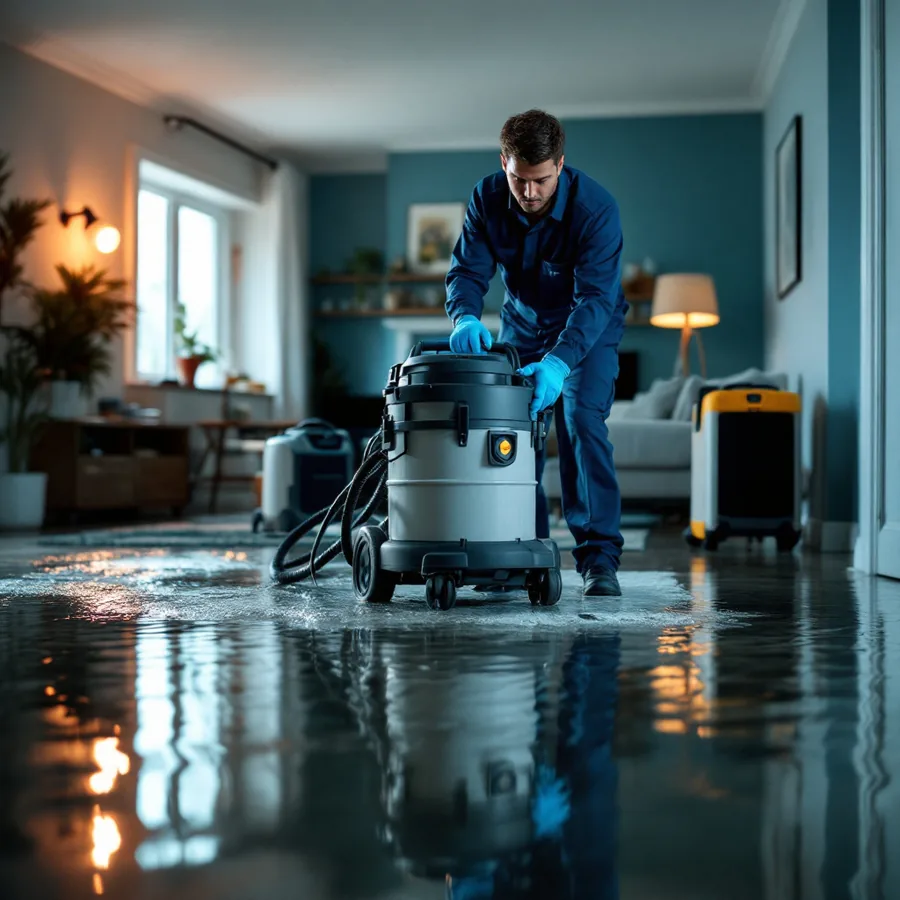 Hidden moisture is the real damage
every day of the year
Water heater, washer, dishwasher or fridge line, the appliance differs, but the danger is the same: the water you see is a fraction of the water soaking into subfloor and cabinets. If it's flooding now, call us and shut the water off. See how we work first if you'd rather.
Do These First
What to do when an appliance is leaking
Work in order. Stop the water, cut the power, and limit what gets wet, then deal with the appliance and the drying.
1. Shut off its water
Close the shutoff valve on the supply line behind or beneath the appliance. No valve, or can't reach it? Shut off your home's main water valve instead.
2. Cut the power
Unplug it or flip its breaker. For a leaking water heater, turn off the electricity or gas too, so it doesn't run dry or spark near water.
3. Contain the water
Soak up standing water and lift boxes and valuables off the floor, especially in a garage, closet or basement where appliances hide.
4. Document everything
Photograph and video the leak and wet materials before cleanup. It's the backbone of your insurance claim and costs nothing.
5. Call for extraction
Call a 24/7 water mitigation crew, appliance leaks soak subfloor and drywall out of sight, and that's what becomes mold.
6. Fix the appliance
Repair or replace the appliance so it's safe to turn the water back on, while the restoration crew dries what got wet.
Water is soaking in by the minute, don't wait to call
Call (888) 217-7423The Big One
Water heater leaking? Start here
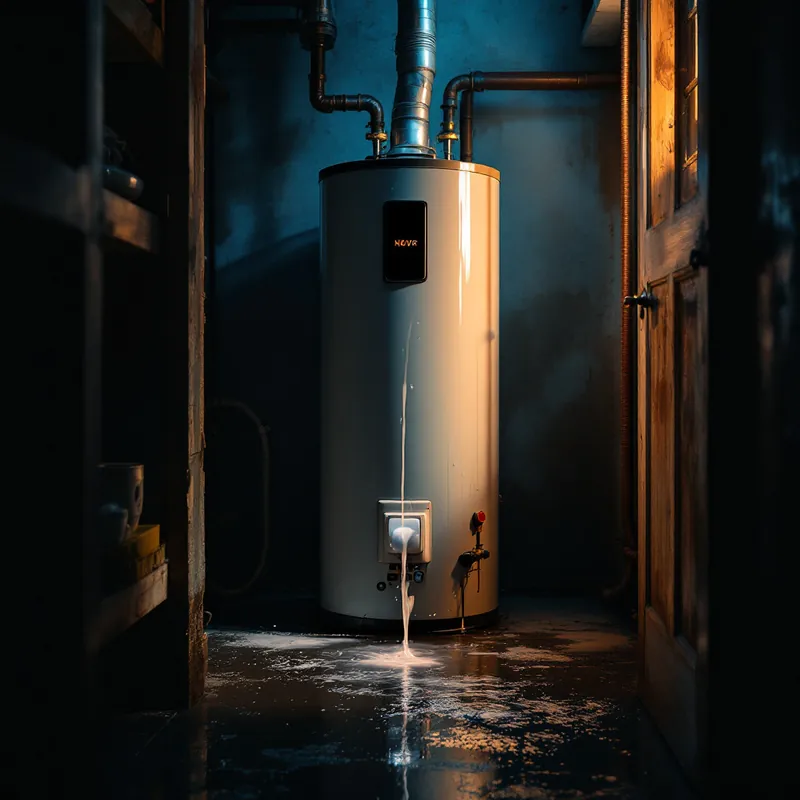
A water heater is the appliance most likely to cause a serious flood, it holds 40 to 50 gallons under pressure, and once the tank corrodes through it can let go all at once. Where it's leaking from tells you how urgent it is.
Leaking from the bottom
Usually the tank has corroded through internally and is failing, that heater typically needs replacing, not repairing. Shut off the water and power and get it inspected before it fails all at once.
Leaking from the top
Often a loose fitting, the cold-water inlet, or the temperature-and-pressure relief valve, sometimes repairable, but still worth a fast look before it worsens.
Pooling at the base
Water around the base or a discharging relief valve is a warning sign. A tank near the end of its 8–12 year life is on borrowed time, plan the replacement before it becomes a flood.
Wherever it's leaking from, the water heater usually sits in a garage, closet or basement where a leak runs unseen into subfloor and walls. Fixing the heater is a plumber's job; drying what it soaked is restoration, and the sooner that starts, the less it costs.
Track It Down
Which appliance is leaking?
Each appliance leaks in its own way, and most of them hide the damage behind or beneath, where you won't see it until the floor or cabinet is already soaked.
Water heater
The biggest single-event flooder, 40–50 gallons when a corroded tank fails. Sits where leaks run unseen.
See details →Washing machine
Burst rubber supply hoses are a top cause, they can release hundreds of gallons an hour behind the machine.
Get help →Dishwasher
Door seals, drain hoses and supply lines leak slowly under the counter, soaking cabinets and subfloor for weeks.
Get help →Refrigerator & ice maker
The small plastic ice-maker line is a classic slow leak, a pinhole behind the fridge drips onto the floor for months.
Get help →AC & HVAC condensate
A clogged condensate line or overflowing drain pan drips inside walls and ceilings, often mistaken for a roof leak.
Get help →Not sure which?
If you can see water but not the source, a crew traces it with moisture meters and cameras before it spreads further.
Call 24/7 →Why It's Worse Than It Looks
Why appliance leaks cause so much damage
Appliance leaks are sneaky in a way a burst pipe isn't. They happen where you don't look, and the slow ones do their worst work invisibly.
- They hide. Appliances sit against walls and in closets and garages, so the water runs behind and beneath , into subfloor, cabinets and drywall, before anyone notices.
- The slow ones breed mold. A dishwasher or fridge line dripping for weeks keeps materials damp exactly long enough for mold to take hold.
- The fast ones flood. A burst washer hose or a failed water heater releases hundreds of gallons quickly, and the water spreads to lower levels and basements within minutes.
Seen water vs. Hidden water
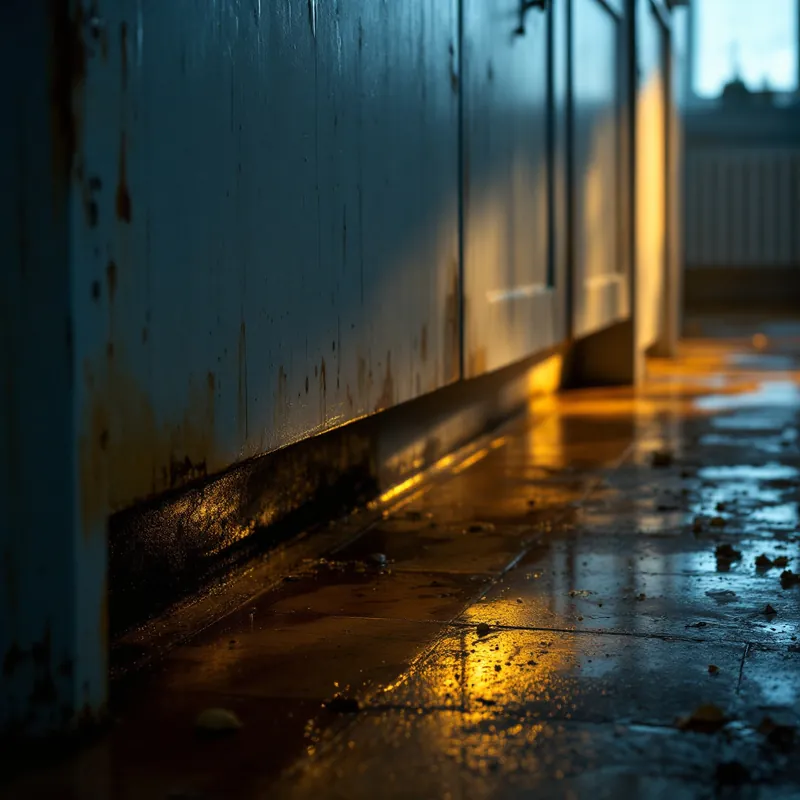
The puddle on the floor is the part you can mop. The part that matters is the moisture wicked into subfloor, wall cavities and cabinet bases, invisible, and the reason a "small" appliance leak still needs professional drying.
Start a on-site inspectionThe Restoration Side
How appliance-leak water damage is repaired
Find the moisture
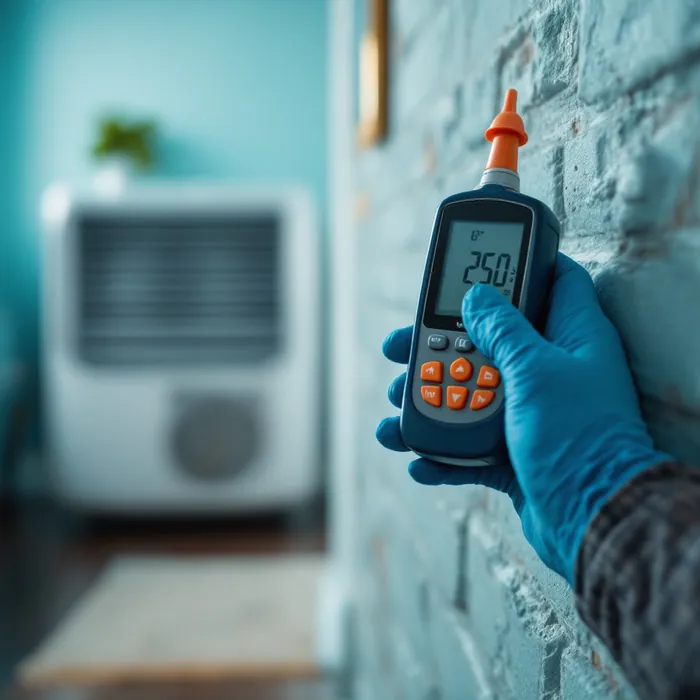
Meters and cameras trace the water behind and under the appliance, including the hidden wet that a mop never reaches.
Extract standing water
Portable extractors pull the water fast, the first hours that decide how much of the floor and cabinetry is saved.
Dry the structure
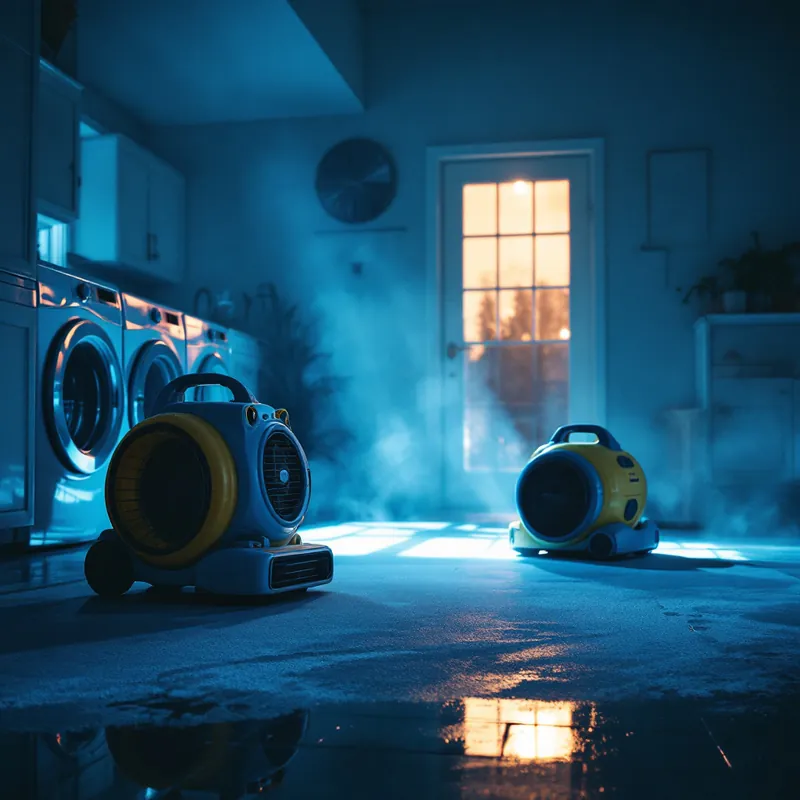
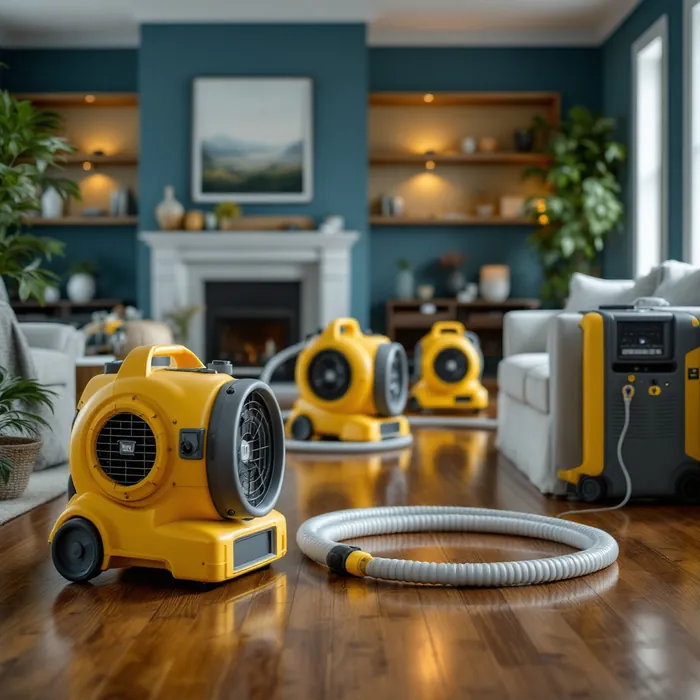
Air movers and dehumidifiers run for days to dry subfloor, wall cavities and cabinet bases back to normal.
Clean & treat
Antimicrobial treatment where water sat, so the damp aftermath of a slow leak doesn't become a mold problem.
Repair & rebuild
Replacing unsalvageable flooring, cabinets and drywall to put the kitchen, laundry or garage back to normal.
Free Instant Tool
Appliance leak: urgency & coverage checker
Tell us which appliance is leaking and whether it let go suddenly or has been dripping over time, and get an instant read on the likely water type, whether homeowners insurance tends to cover it, how urgent it is, and your best next step. It's a fast orientation while you call, not a quote or a coverage promise. Your policy and situation decide.
Who Pays
Does insurance cover appliance leak damage?
Often, yes, but as with any water claim, it turns on whether the failure was sudden and accidental or a slow leak you could have caught.
- Usually covered. A sudden failure , a burst washing-machine hose or a water heater that lets go, is covered by most policies, minus your deductible.
- Often not covered. The appliance itself, and damage from a slow drip that went ignored, are commonly treated as maintenance and excluded.
- Documentation decides. Photos of the failure and the damage, and evidence you acted fast, are what move a borderline claim your way.
The maintenance trap
Slow appliance leaks are the classic claim denial: an adjuster can argue you should have noticed. That's another reason to dry it professionally and document everything, and to see the full cost and coverage guide.
Get documented helpNever Again
How to prevent appliance leaks
Most appliance floods come from one old hose or one aging tank. A little upkeep is far cheaper than drying a soaked floor.
Swap rubber hoses
Replace rubber washing-machine and dishwasher supply hoses with braided stainless steel, and change them every few years, a burst hose is a top cause of laundry floods.
Use drain pans
Put water heaters and washers in a drain pan plumbed to a drain, so a slow leak is caught and carried away instead of soaking the floor.
Flush the water heater
Draining sediment yearly helps the tank last its full 8–12 years and delays the corrosion that eventually leaks it out.
Check the hidden lines
Periodically look behind the fridge and under sinks for the small ice-maker and supply lines that drip unseen for months.
Clear condensate lines
Keep the AC condensate drain clear and the pan draining, so summer humidity doesn't overflow into your walls and ceilings.
Add a leak-shutoff
A smart leak detector or automatic water-shutoff valve can stop a burst hose the moment it starts, cheap insurance for an unattended home.
How It's Dried
An appliance leak, from the drip to the fix
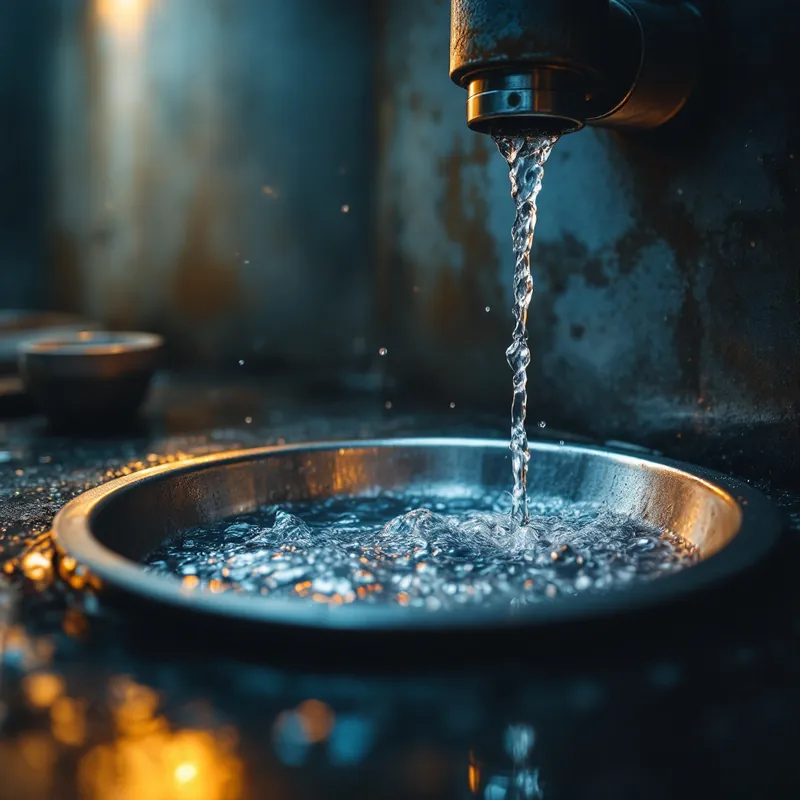
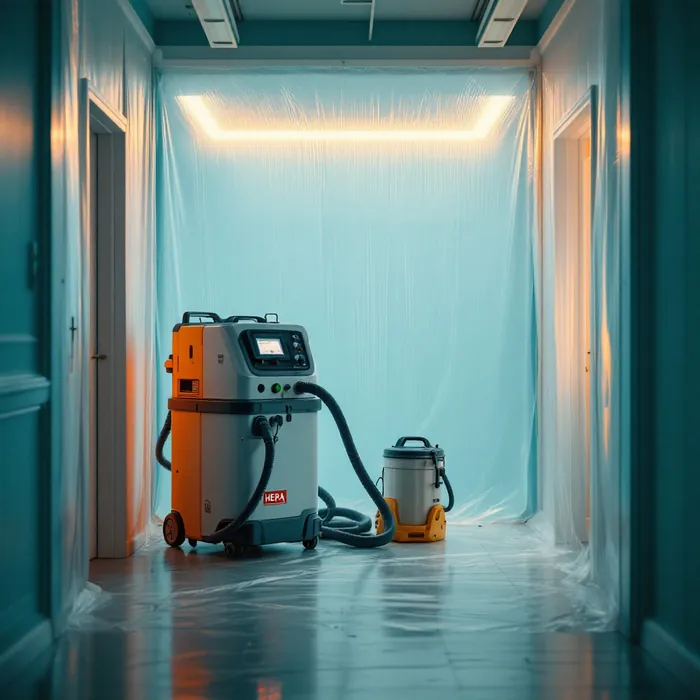
Because appliance leaks soak the parts you can't see, drying them properly takes more than a towel. This is the gear a crew uses to find and remove the hidden moisture.


FAQ
Appliance leak questions, answered
Is a leaking water heater an emergency?
A slow drip isn't an emergency, but it will get worse and can fail suddenly, releasing 40 to 50 gallons at once. A steady leak, water pooling around the base, or a leak from the tank itself should be handled promptly, shut off the water and power to it and get it inspected. Any electrical or gas hazard is an emergency.
Why is my water heater leaking from the bottom?
A leak from the bottom usually means the tank has corroded through internally and is failing, that water heater typically needs replacing, not repairing. It can also be a faulty drain valve or the temperature-and-pressure relief valve discharging. Either way, shut off the water and power and have it checked.
What do I do if my washing machine or dishwasher floods?
Shut off the appliance's water supply valve or your main water valve, unplug it, and soak up the water. Check behind and under it, since supply-hose and drain leaks run into the wall and subfloor. Then get professional drying, because hidden moisture under kitchen and laundry floors becomes mold.
Does homeowners insurance cover appliance leak damage?
Usually the water damage from a sudden appliance failure , a burst washer hose or a water heater that lets go, is covered, minus your deductible. The appliance itself and damage from a slow leak you should have noticed are typically excluded. Fast action and documentation protect the claim.
How much water damage can an appliance leak cause?
More than people expect. A burst washing-machine hose can release hundreds of gallons an hour, and a failed water heater dumps its whole tank. Even a slow dishwasher or fridge-line leak soaks subfloor and cabinets for weeks unseen, which is why appliance leaks are a leading cause of hidden mold.
How do I prevent appliance leaks?
Replace rubber washing-machine hoses with braided stainless steel every few years, put water heaters and washers in a drain pan, check under-sink and fridge lines periodically, flush your water heater yearly, and consider a leak-detection shutoff. Most appliance floods come from an old hose or an aging tank.
How long does a water heater last before it leaks?
Most tank water heaters last about 8 to 12 years. Once one starts leaking from the tank, it's usually near the end of its life and should be replaced rather than repaired, before it fails all at once and floods the space around it.
Sources & Standards
Drying and restoration follow the IICRC S500 Standard for Professional Water Damage Restoration. Where a slow appliance leak threatens mold, cleanup thresholds and health guidance reference the US EPA and CDC mold guidance; broader water-damage safety follows Ready.gov and CDC flood-water safety. Coverage notes reflect standard homeowners-policy practice and the FEMA National Flood Insurance Program for the flood-water case; confirm specifics with your own policy. Water heater lifespan and appliance-maintenance figures reflect widely published manufacturer and industry guidance. See our editorial standards.
Keep Reading
Related water damage help
Burst pipe
When it's a pipe, not the appliance, what to do the moment it bursts.
Water mitigation
The fast first steps that stop an appliance leak from spreading.
Restoration cost guide
What drying and rebuilding after an appliance leak costs in 2026.
Mold remediation
What to do when a slow appliance leak has already grown mold.
Ceiling water damage
When an upstairs appliance or AC line leaks down through the ceiling.
Water damage restoration
Our full 24/7 emergency water removal, drying and repair service.
The hidden water is the damage, dry it fast
Get a crew on the way now
Shut off the appliance's water, then call. A certified crew finds the hidden moisture, dries it and documents the damage, 24/7 across the US.
Call (888) 217-7423Why the first call matters
The first-hour match — water damage is priced by the hour it sat, not by the hour you called
Standing water stops being the problem within a day. What it leaves behind — saturated drywall, wet insulation, a subfloor that keeps giving moisture back into the room — is what the invoice is actually made of, and it grows while the house looks calm.
That is not a failure of homeowners who waited. It is how the trade is arranged: you call a company, it comes when its schedule allows, and the clock keeps running in between. Our line is open every day of the year, and the call reaches an independent licensed and insured restoration company that covers your area now rather than tomorrow. We do not do the work ourselves — we are paid for the introduction, which is set out in how we make money.
Two things decide what this costs, and both are settled in the first hours. Moisture readings and photographs taken before anything is torn out are what an adjuster later accepts or disputes, and mold needs only a day or two of damp material to start. Neither waits for an appointment. And if the water came from outside — a river, a storm surge, groundwater — say so on the call. That is flood, a separate policy that a homeowners policy does not cover, and you should hear it from us before anyone arrives rather than after.