24/7 Biohazard Response
Sewage Cleanup & Backup Removal, done safely
A sewage backup isn't just dirty water, it's a Category 3 biohazard. We connect you with crews who extract it, remove the contaminated materials, and fully disinfect the space with the right protective equipment, so your home is genuinely safe again.
No obligation · Insurance-friendly · Independent licensed & insured local companies
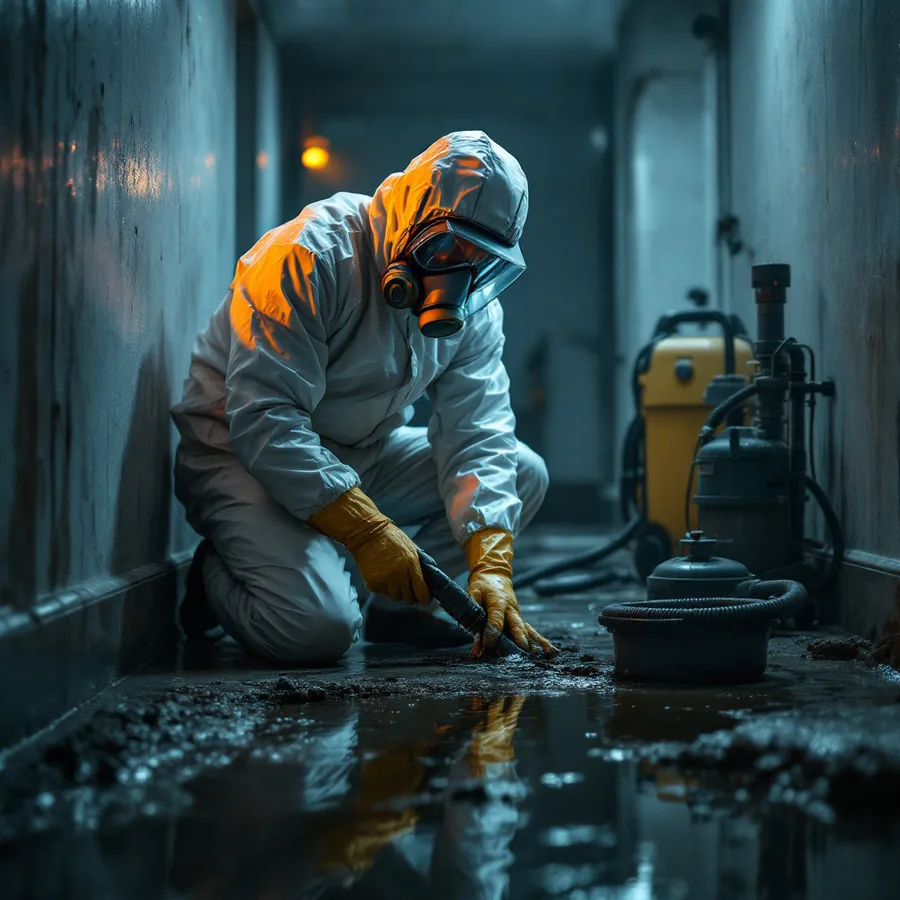 Biohazard extraction & disinfection
every day of the year
Before You Touch It
What to do after a sewage backup
The instinct is to grab a mop, but raw sewage carries pathogens that make contact genuinely risky. Here's what to do, and what not to do, until a crew arrives.
Keep everyone away
Move people and pets out of the affected area. Treat it as a biohazard, not just a mess.
Stop using water
Don't flush toilets or run any water draining to that line until the backup is cleared.
Cut power if needed
If sewage reached outlets or appliances, shut off electricity to the area at the breaker.
Don't DIY, call
Avoid contact, photograph the damage for insurance, and call a biohazard crew to extract and disinfect.
Why It Happens
The common causes of a sewage backup
Sewage backs up when the path out of your home is blocked or overwhelmed. Knowing the source guides both the cleanup and preventing a repeat.
Main sewer line blockage
Grease, debris or tree roots invade and clog the main line, sending everything back up through the lowest drains, usually the basement.
Municipal backups
During heavy rain the city sewer can surcharge and push water and sewage back into homes through floor drains and toilets.
Septic system failure
An overfull, failing or flooded septic tank has nowhere to send waste, forcing it back into the house.
Clogged drains & toilets
A badly blocked toilet or drain line overflows contaminated water onto floors and into adjacent rooms.
Tree root intrusion
Roots seeking moisture crack and fill older sewer pipes, a slow-building blockage that ends in a sudden backup.
Flooding
Storm and flood water often carries sewage with it, turning a wet basement into a Category 3 contamination job.
What We Handle
Every kind of sewage & black-water job
One call covers safe removal, disinfection and drying, then the rebuild of anything that had to come out.
Sewage backup cleanup
Fast, safe extraction of raw sewage from basements and floors, with full disinfection of everything that can be saved.
Call 24/7 →Basement sewage cleanup
The most common, the lowest drains flood first. Crews pump out, remove contaminated materials and sanitize the slab.
Get help →Toilet overflow cleanup
An overflow that crossed the trap is Category 3. Crews remove the contamination and disinfect floors, walls and cabinetry.
Get help →Septic overflow cleanup
Failed or flooded septic backups handled with full PPE, safe disposal and disinfection of the affected area.
Get help →Black-water extraction & drying
Extraction, structural drying and antimicrobial treatment to Category 3 standards, so the space is safe, not just dry.
Get help →Post-sewage mold remediation
Contaminated damp materials grow mold fast, if it's already started, see our mold remediation service.
Learn more →How It Works
The sewage cleanup process
Assess & contain
Identify the contamination zone and seal it off so pathogens don't spread through the home.
Extract
Pumps and extractors remove the sewage and standing water safely, in full protective equipment.
Remove & dispose
Contaminated porous materials , drywall, carpet, insulation, are removed and disposed of properly.
Disinfect & deodorize
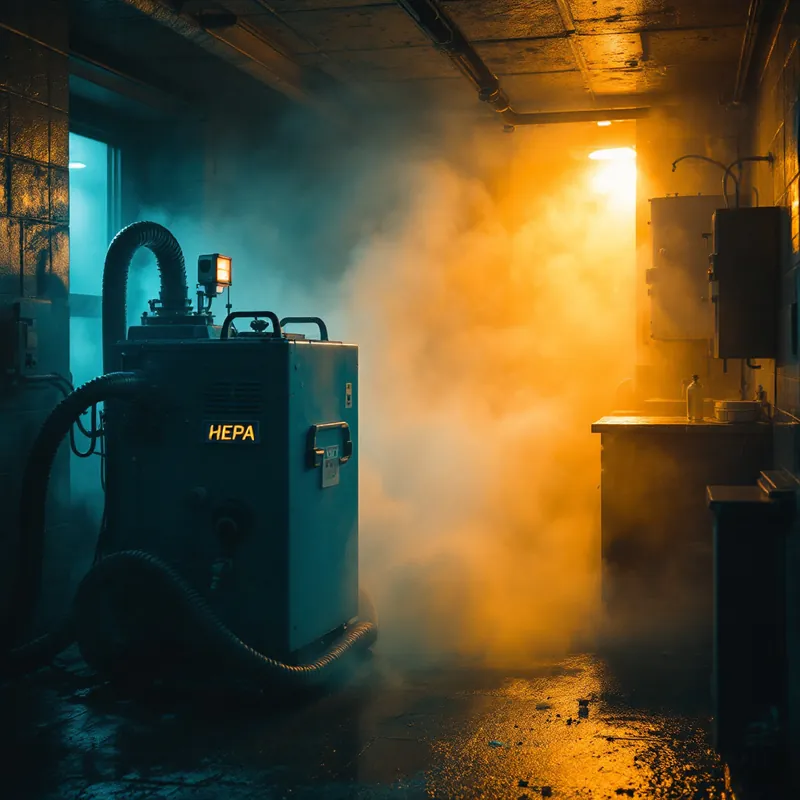
Antimicrobial treatment, HEPA air scrubbing and odor control on every surface that stays.
Dry & restore
Structural drying, then rebuild of what was removed, back to a safe, pre-loss condition.
Free Instant Tool
Sewage backup: what to do right now
Tell us where the sewage is and whether anyone has come into contact with it, and get an instant read on the hazard level, whether it's ever safe to handle yourself, and your best first step. This is a fast orientation while you call for sewage cleanup, not a quote or a coverage promise, and your policy and situation decide.
Why It's Dangerous
The health risks of raw sewage
Sewage is classified as Category 3 "black water" because of what it carries. Exposure through contact, ingestion or breathing contaminated air can cause real illness, which is why it's treated as a biohazard rather than a cleaning job.
- Pathogens. Bacteria, viruses and parasites in sewage can cause gastrointestinal illness, infections and other serious conditions.
- Higher-risk people. Children, the elderly, pregnant women and anyone immune-compromised are especially vulnerable.
- Lingering hazard. Contaminants survive on damp surfaces for days, so drying alone doesn't make an area safe, it must be disinfected.
Why not clean it yourself
Household cleaners and a mop spread contamination and expose you to pathogens without removing them from porous materials. Safe remediation means protective equipment, removal and disposal of what's contaminated, and hospital-grade disinfection of what remains.
Get it handled safelyInsurance
Does insurance cover sewage cleanup?
Here's the catch most homeowners don't know until it happens: standard homeowners policies usually exclude sewer and drain backups unless you added a specific endorsement.
- Sewer backup endorsement. This optional rider is what actually covers a backup, it's inexpensive and worth having if you have a basement.
- Sudden covered events. If the sewage results from another covered peril, cleanup may fall under that claim.
- Crews document for the claim. Photos, contamination category and an itemized scope in the format adjusters expect.
Is it covered?
| Sewer / drain backup | Needs endorsement |
| With backup endorsement | Usually yes |
| Backup from covered peril | Often yes |
| Flood-borne sewage | Flood policy |
| Neglected maintenance | Often no |
Coverage depends on your specific policy, check your declarations page.
Sewage Cleanup Cost
What affects your sewage cleanup cost
A contained toilet overflow and a basement of raw sewage are very different jobs, so the inspection that prices yours is free and carries no obligation. These are the factors that move the number:
- How far it spread. A small contained overflow costs far less than sewage that soaked a whole basement and adjacent rooms.
- Depth & volume. More standing sewage means more extraction, more contaminated material and more disposal.
- Materials removed. Contaminated carpet, drywall, insulation and cabinetry usually can't be saved and must be removed and rebuilt.
- Disinfection & disposal. Category 3 work requires hospital-grade disinfectants, HEPA scrubbing and proper biohazard disposal.
- The source & rebuild. Clearing the blockage or fixing the septic issue, and the rebuild phase, are separate from the emergency cleanup.
Pro-Grade Equipment
A sewage backup, handled safely
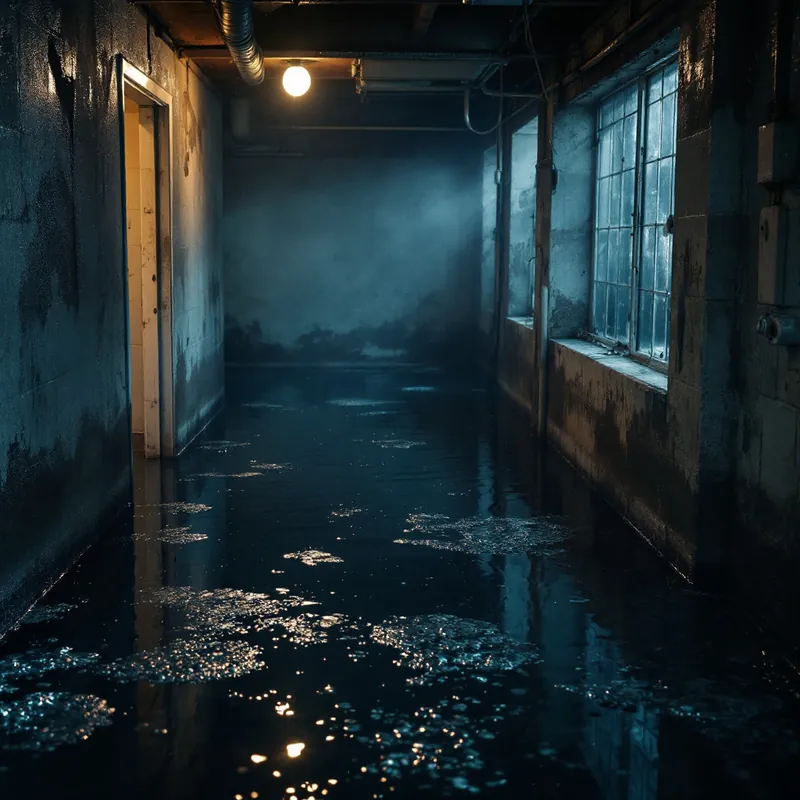
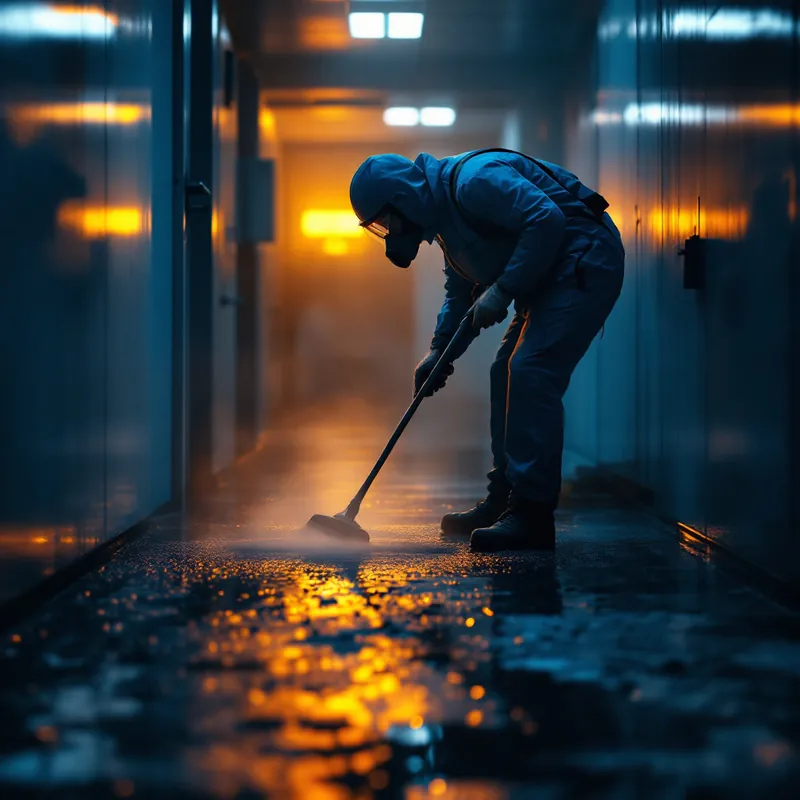
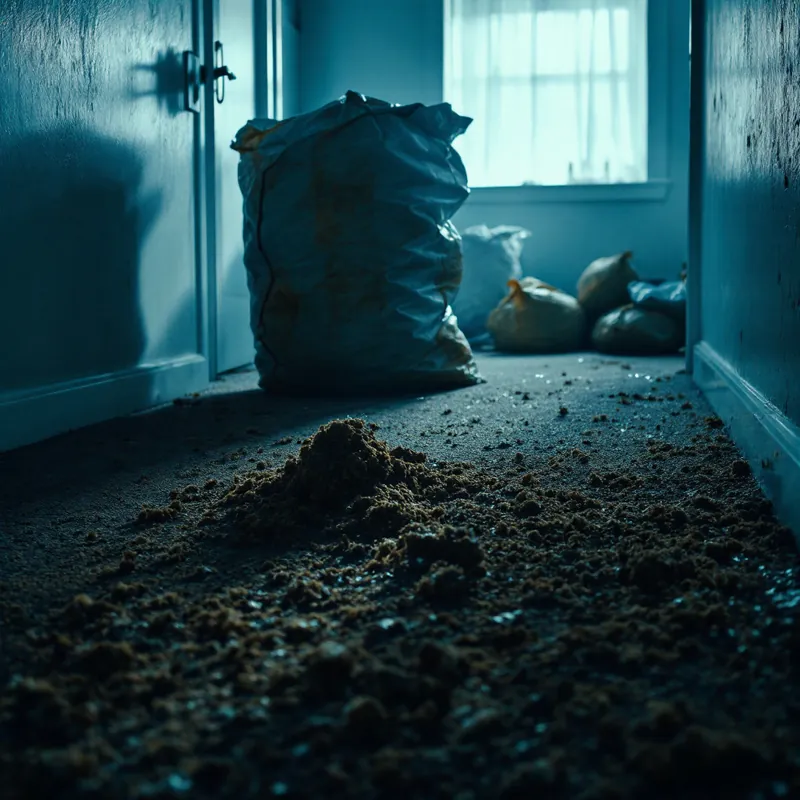
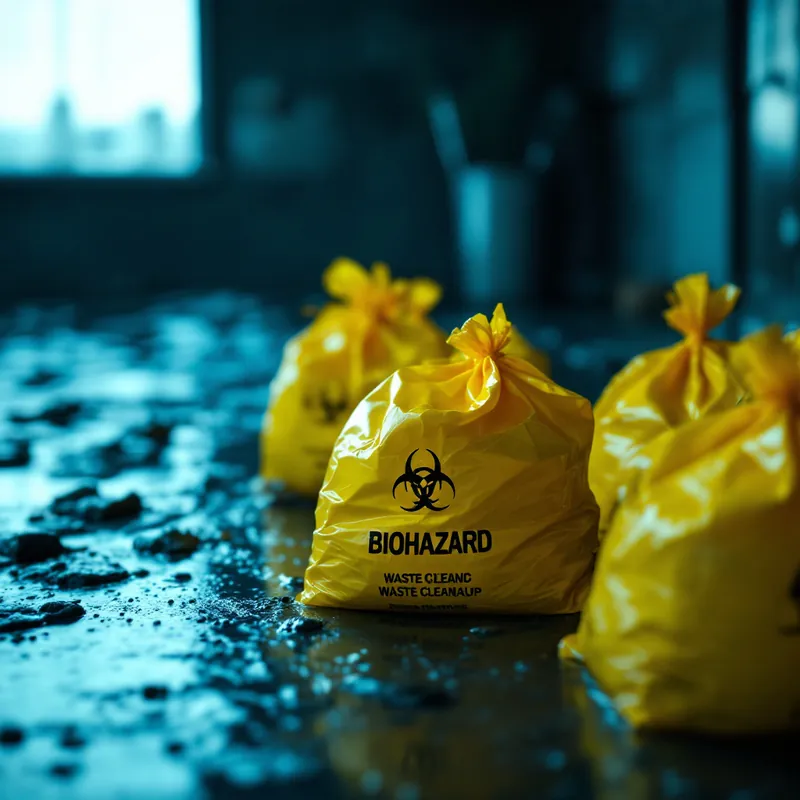
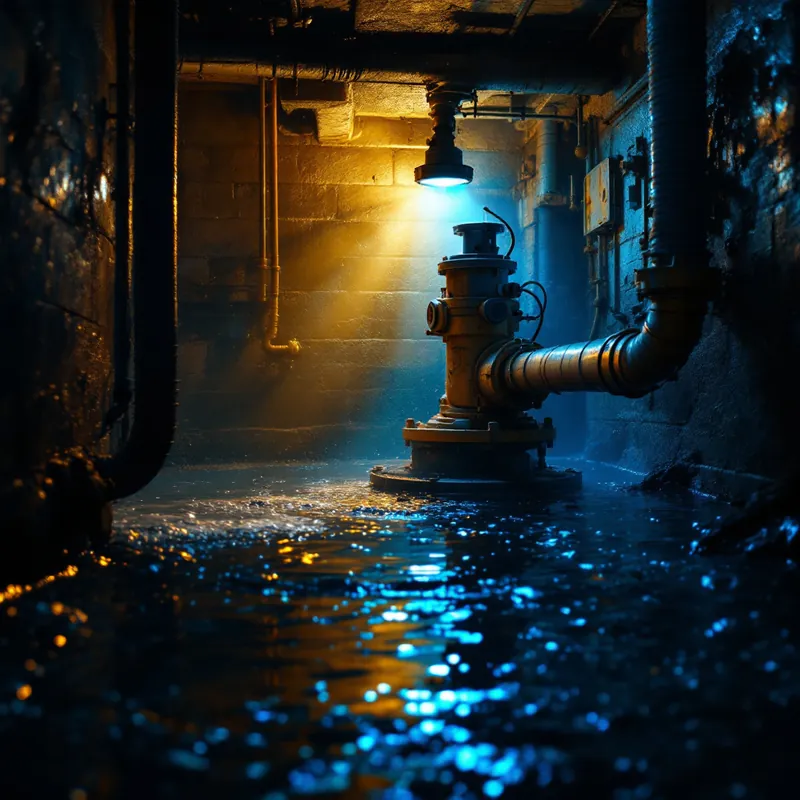
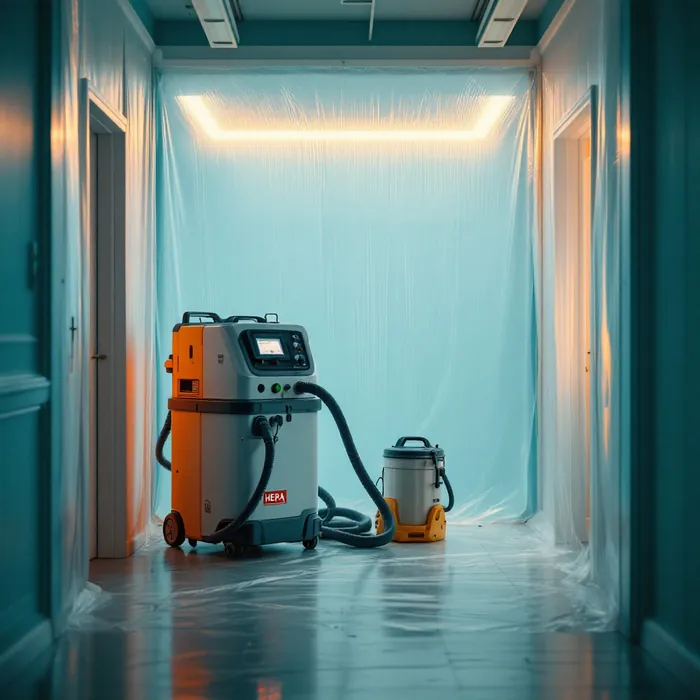
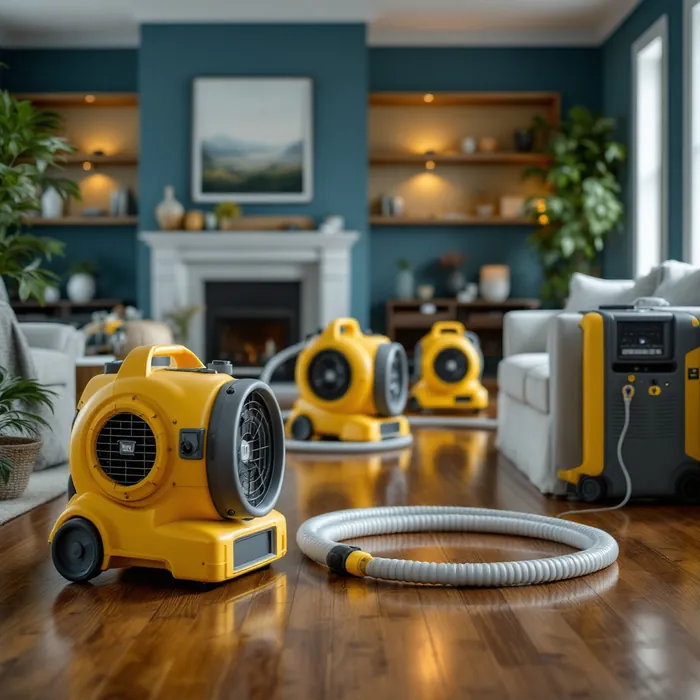
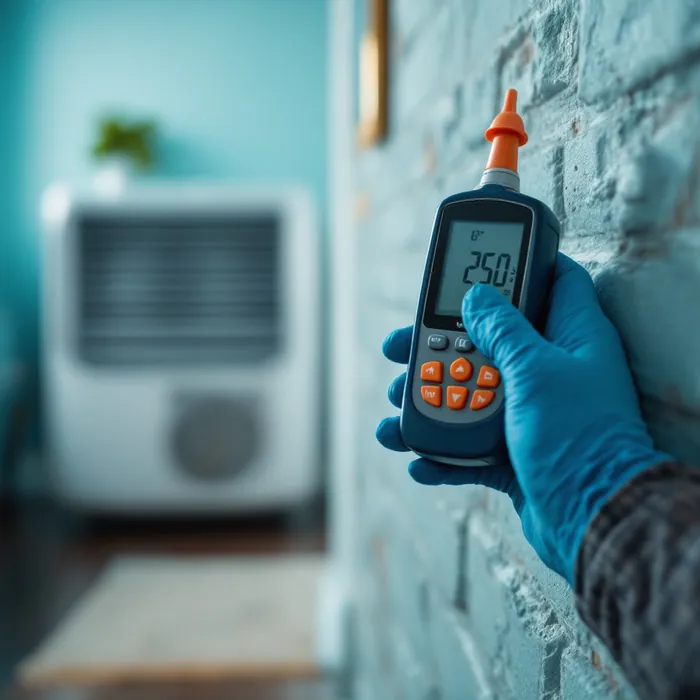
Category 3 cleanup is about removing contamination and killing what's left, with extraction, disinfection and air-quality equipment, not a mop and bucket.

FAQ
Sewage cleanup questions, answered
How much does sewage cleanup cost?
It depends on how far the sewage spread, how deep it is, how much contaminated porous material must be removed, and the level of disinfection needed. A contained toilet overflow is a small job; a flooded basement of raw sewage is far larger. An on-site inspection gives an exact figure.
What is the best thing to clean up sewage with?
Raw sewage should not be handled with household cleaners. Professionals extract it with pumps, remove and dispose of contaminated porous materials, then use hospital-grade antimicrobial disinfectants and HEPA air scrubbing. Protective equipment is essential because of the pathogens involved.
Does homeowners insurance cover sewage cleanup?
Standard homeowners policies usually exclude sewer and drain backups unless you added a sewer backup endorsement (rider). If a covered sudden event caused it, or you carry the endorsement, cleanup is often covered, check your policy. Crews document everything for the claim.
How long do sewer bacteria live on surfaces?
Many sewage-borne bacteria and viruses can survive on surfaces for days to weeks in damp conditions, which is why simply drying an area is not enough. Contaminated porous materials are removed and hard surfaces are disinfected to make the space safe again.
Is sewage water dangerous?
Yes. Sewage is Category 3 "black water" carrying bacteria, viruses and parasites that can cause serious illness through contact, ingestion or inhalation. It is treated as a biohazard, with protective equipment, safe removal and full disinfection.
Can I stay in my house during sewage cleanup?
Keep out of the affected area entirely. Depending on how far the contamination spread and the ventilation, crews may set up containment so the rest of the home stays usable while the affected zone is cleaned.
Sources & Standards
Health and safety guidance follows the CDC , Flood & Sewage Water, CDC, Floods and US EPA, Flood & Sewage Cleanup. Water categories and Category 3 remediation follow the IICRC S500 standard. Insurance terms reflect Ready.gov, Floods and the FEMA National Flood Insurance Program.
Why the first call matters
The first-hour match — water damage is priced by the hour it sat, not by the hour you called
Standing water stops being the problem within a day. What it leaves behind — saturated drywall, wet insulation, a subfloor that keeps giving moisture back into the room — is what the invoice is actually made of, and it grows while the house looks calm.
That is not a failure of homeowners who waited. It is how the trade is arranged: you call a company, it comes when its schedule allows, and the clock keeps running in between. Our line is open every day of the year, and the call reaches an independent licensed and insured restoration company that covers your area now rather than tomorrow. We do not do the work ourselves — we are paid for the introduction, which is set out in how we make money.
Two things decide what this costs, and both are settled in the first hours. Moisture readings and photographs taken before anything is torn out are what an adjuster later accepts or disputes, and mold needs only a day or two of damp material to start. Neither waits for an appointment. And if the water came from outside — a river, a storm surge, groundwater — say so on the call. That is flood, a separate policy that a homeowners policy does not cover, and you should hear it from us before anyone arrives rather than after.