2026 Cost Guide
Water Damage Restoration Cost: what to really expect in 2026
Straight answers on what restoration costs in 2026, broken down by water category, drying class and room, plus what insurance covers and how to keep the bill down. The one number that matters most is from a free on-site inspection.
No obligation · Insurance-friendly · Independent licensed & insured local companies
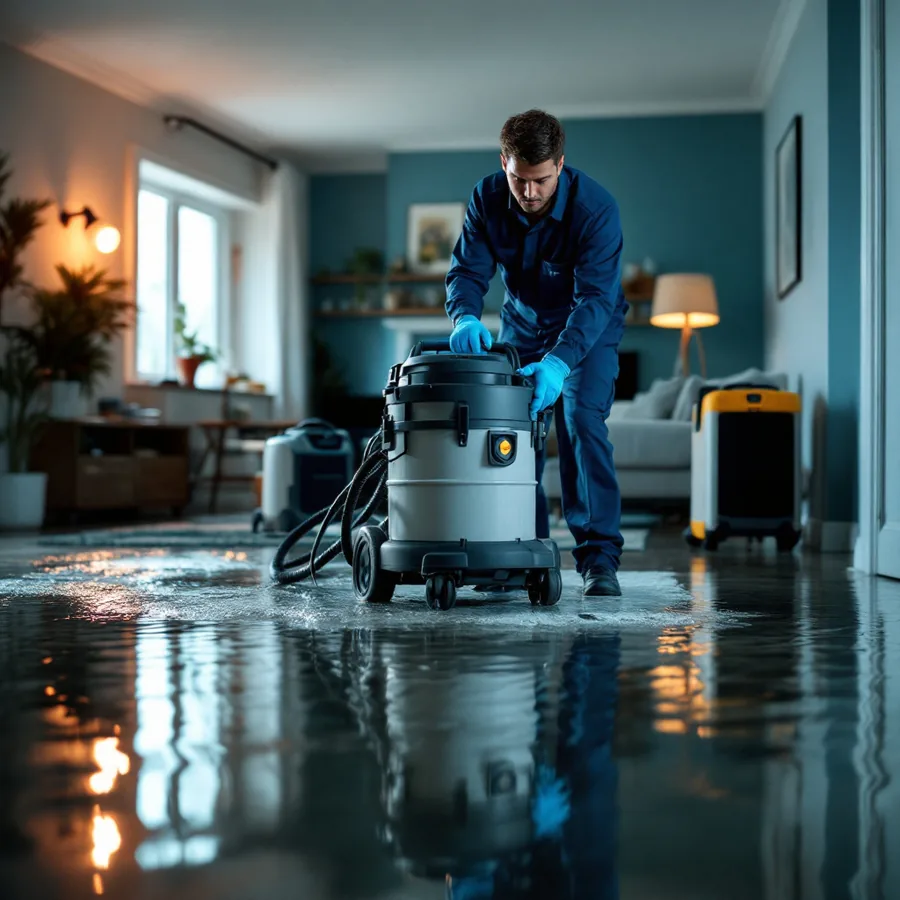 Fast extraction keeps the cost down
& written estimate
Figures on this page are typical ranges from widely published US cost guides, shared to set expectations. They are not a quote, the honest number for your home comes from a free on-site assessment, because two jobs the same size can differ by thousands depending on the water and the damage. Learn how we work or contact us to get started.
The Short Answer
What water damage restoration costs in 2026
Most homeowners searching for a price want one number. The honest version is a range: industry cost guides commonly put a full water damage restoration between about $1,300 and $5,600, with many single-room jobs landing near $3,000–$4,000. On a per-area basis that works out to roughly $3 to $7.50 per square foot.
Small, clean-water job
A single room caught early, a supply-line leak or overflowing sink, water extracted and dried before it spread. These sit at the low end of the range.
Typical mid-size job
A room or two with wet drywall, baseboards and flooring that need several days of structural drying and some replacement. This is where most homes land.
Large or contaminated job
A finished basement, multiple rooms, or Category 3 black water, heavy extraction, disposal, disinfection and rebuild push well past the top of the range.
Where you land inside that range comes down to four things: how dirty the water is, how much area is wet, how long it sat, and what has to be removed and rebuilt. The rest of this guide breaks each one down, or, if water is spreading right now, talk to a specialist and start the on-site inspection.
Cost Driver #1. The Water
Cost by water category (Cat 1, 2 & 3)
The single biggest factor is how contaminated the water is. The IICRC S500 standard that restoration crews follow sorts water into three categories, and each one changes what's safe to save, what must be thrown out, and therefore the price.
Category 1, Clean water
From a broken supply line, a faucet or the tank of a toilet. If it's dried quickly, most materials are saved, so this is the least expensive, commonly around $3–4 per square foot.
Category 2, Grey water
Slightly contaminated water from a dishwasher, washing machine or a toilet overflow with urine. More materials are removed and the area is sanitized, commonly $4–6.50 per square foot.
Category 3 , Black water
Grossly contaminated, sewage, river or flood water, or clean water left long enough to turn. Porous materials are removed and the space disinfected, commonly $7–7.50+ per square foot.
A clean-water leak that sits for days can degrade into a higher category as bacteria grow, one more reason the cost clock starts the moment water appears. Fast water mitigation often keeps a job in Category 1.
Cost Driver #2, How Wet, How Deep
Cost by drying class (Class 1–4)
Alongside category, S500 rates each job by drying class, how much material is wet and how deeply the water soaked in. A higher class means more air movers, more dehumidifiers and more days on site, all of which add labor and equipment cost.
Class 1, Least water
A small part of one room, with materials that hold little moisture. Fast to dry and the cheapest to restore.
Class 2. A whole room
An entire room where water has wicked up walls less than two feet and soaked carpet and cushion. More equipment and time.
Class 3 , Water from above
The fastest-drying-need class, water that came from overhead, saturating ceilings, walls, insulation and everything below. High equipment load.
Class 4, Deep saturation
Water trapped in low-porosity materials like hardwood, plaster and concrete, needing specialty drying over a longer period, the most involved and costly.
This is why a ceiling leak that soaks insulation can cost more than a larger puddle on a tile floor: it's not just the square footage, it's how deep the water hides and how hard it is to pull back out.
Cost Driver #3. Where It Happened
Cost by area of your home
The room the water hit changes both the materials at risk and how hard they are to reach and dry. These are the areas homeowners ask about most.
Basement
The widest range of all, from a few hundred dollars for a damp, unfinished floor to tens of thousands for a fully finished basement with drywall, flooring and belongings, commonly $3,000–$10,000 for a mid-size finished space.
Ceiling
A localized water-damaged ceiling repair commonly runs a few hundred dollars to about $1,250, depending on the stain size and whether drywall is replaced, after the leak above is fixed.
Walls & drywall
Wet drywall wicks moisture upward and often has to be cut back to dry the cavity behind it. Cost tracks how many linear feet are affected and whether insulation is soaked.
Flooring & subfloor
Carpet and pad are often saved if dried fast; hardwood and a wet subfloor may need specialty Class 4 drying or replacement, which is the pricier path.
Whole floor / multi-room
When water spreads across a level , common with storm and appliance failures, the job scales with every additional room's extraction, drying and rebuild.
Kitchen & bath
Cabinets, tile and hidden plumbing runs make these labor-intensive to dry properly, even when the wet area looks small.
Cost Driver #4. The Details
What moves your price up or down
Two jobs the same size can differ by thousands. These are the details a crew looks at during the inspection to build your estimate, and the ones you can influence.
How fast you acted
The single biggest lever. Water dried within 24–48 hours usually stays a drying job; water left longer becomes a removal-and-rebuild job, and can grow mold.
Amount of material removed
Salvageable surfaces are dried and saved. Saturated drywall, carpet pad, insulation and cabinetry are removed and rebuilt, which adds both demolition and reconstruction cost.
Mold growth
If mold has already started, containment and remediation are added to the drying work. Speed is what keeps this line off your bill.
Structural & hidden damage
Water behind walls, under floors or in framing needs specialty detection and drying, invisible at first glance but real on the estimate.
Rebuild scope
Restoration is drying and cleaning; reconstruction is putting the room back, new drywall, paint, flooring and trim. The more that's rebuilt, the higher the total.
Testing & documentation
Optional moisture logs and air or lab testing add a little cost but create the paper trail an insurance adjuster wants to see.
Where The Money Goes
What's included in a restoration bill
Inspection & moisture mapping
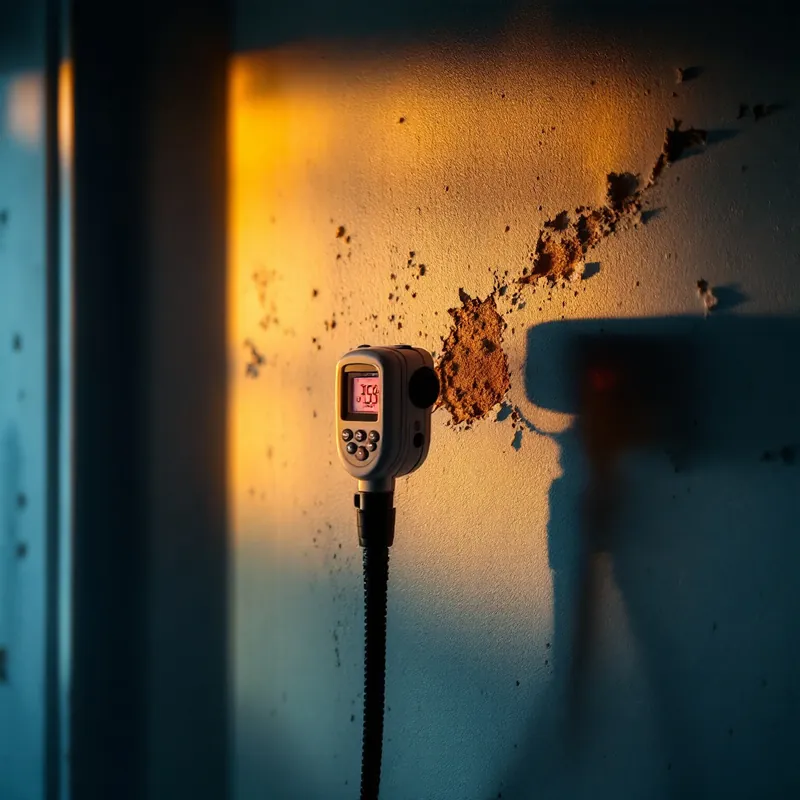
Finding every wet spot with meters and cameras, often free, and the basis for the whole estimate.
Water extraction
Pumping and vacuuming standing water fast, the labor-heavy first hours that limit total damage.
Structural drying
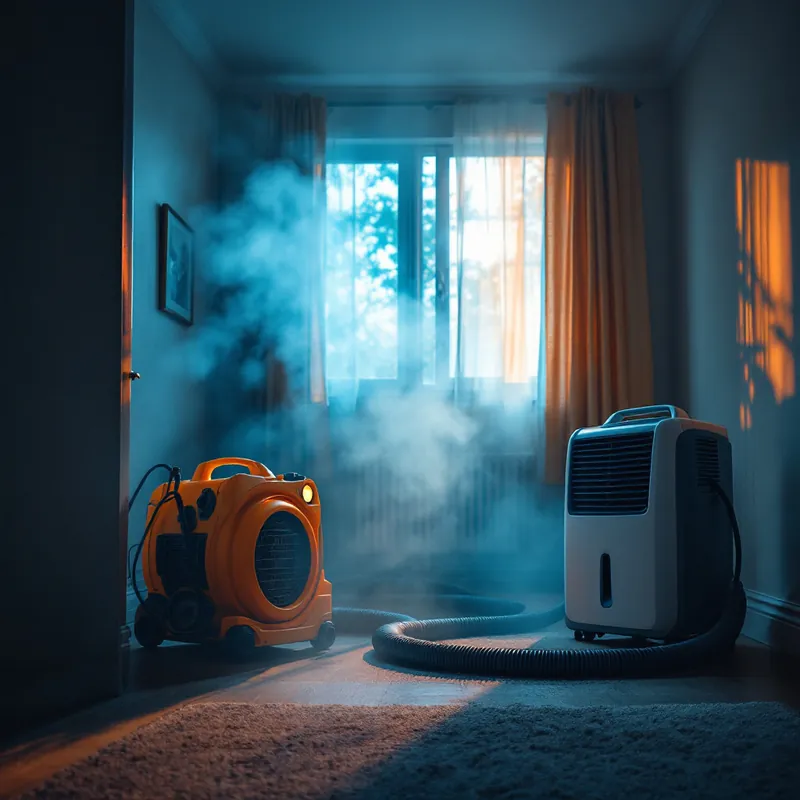
Days of air movers and dehumidifiers running around the clock, equipment rental is a real line item.
Cleanup & disinfection
Antimicrobial treatment and disposal, heavier for grey and black water than for clean water.
Repairs & rebuild
Replacing what couldn't be saved , drywall, flooring, paint and trim, to return the room to normal.
Free Instant Tool
Instant water damage restoration cost estimator
Pick the water category and how much of your home is affected, and get an instant read on the typical per-square-foot band, a rough dollar range and the biggest driver behind the price. It's a fast orientation using published industry ranges, not a quote or a coverage promise. Your policy and the actual damage decide the real number.
Your estimate at a glance
,
Call (888) 217-7423Who Pays
Does insurance cover water damage?
Often, yes, but coverage turns on one question insurers ask first: was the damage sudden and accidental, or slow and preventable?
- Usually covered. Sudden, accidental events, a burst pipe, a failed water heater or washing-machine hose, are covered by most homeowners policies, minus your deductible.
- Usually not covered. Gradual leaks, seepage, and damage blamed on deferred maintenance are typically excluded as a homeowner's responsibility.
- Needs separate coverage. Natural flooding from storms or rising water is excluded from standard policies and requires a separate flood policy.
Deductible math
You pay your deductible; insurance covers the rest of a covered loss. If the restoration cost is close to or below your deductible, paying out of pocket can make more sense than filing, an on-site estimate tells you which side of that line you're on.
Because payout depends on you limiting further damage, fast action and good documentation directly protect what you're paid.
Get a documented estimateKeep The Bill Down
How to keep restoration costs down
You can't control that a pipe burst, but the hours right after decide how big the job gets. These are the moves that genuinely lower the final number.
Stop the water & call fast
Shut off the supply and get crews extracting within hours. Every hour of standing water pulls more material from "dry and save" into "remove and rebuild."
Document before you touch
Photograph and video the damage before cleanup. It costs nothing and protects both your insurance claim and your leverage on scope.
Dry, don't just mop
Surface water you can see is a fraction of the problem; professional structural drying prevents the hidden moisture that later becomes costly mold and rot.
Repair Or Replace?
Restoration vs. Replacement
Restoration means drying and salvaging what you have; replacement means tearing out and rebuilding. Which one you pay for is decided mostly by time.
Dried fast = restored
Materials dried within 24–48 hours are usually saved. Restoration is almost always cheaper than replacement, so fast response is the biggest saver there is.
Left wet = replaced
The longer water sits, the more drywall, flooring and cabinetry cross the point of no return, and the more the job shifts from drying to rebuilding.
The hidden cost of waiting
Delay doesn't just risk materials; it invites mold and structural rot, which add whole categories of work that a quick dry-out would have avoided.
What You're Paying For
Where the restoration budget goes
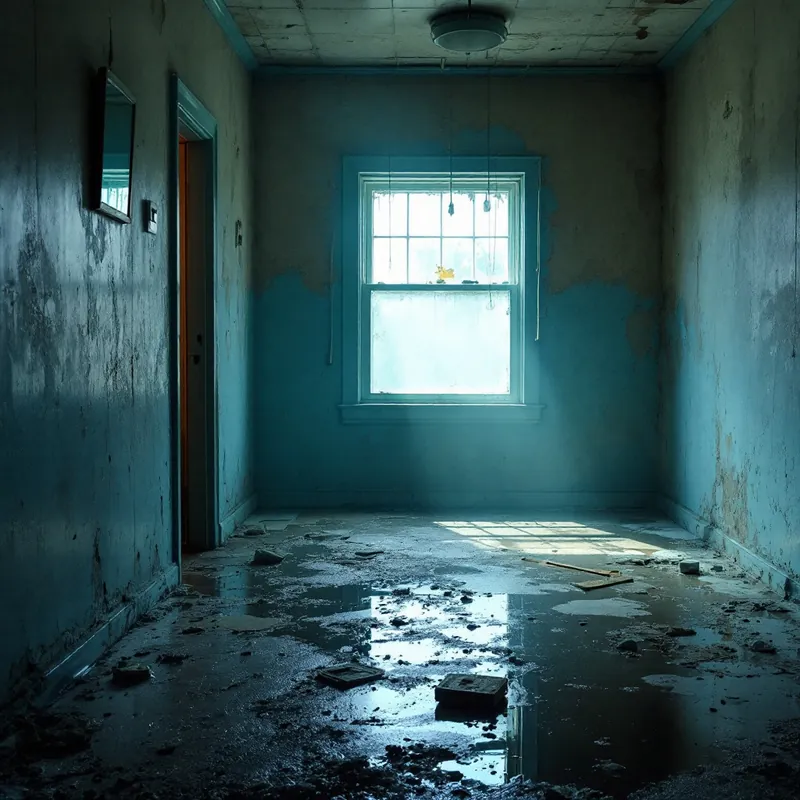
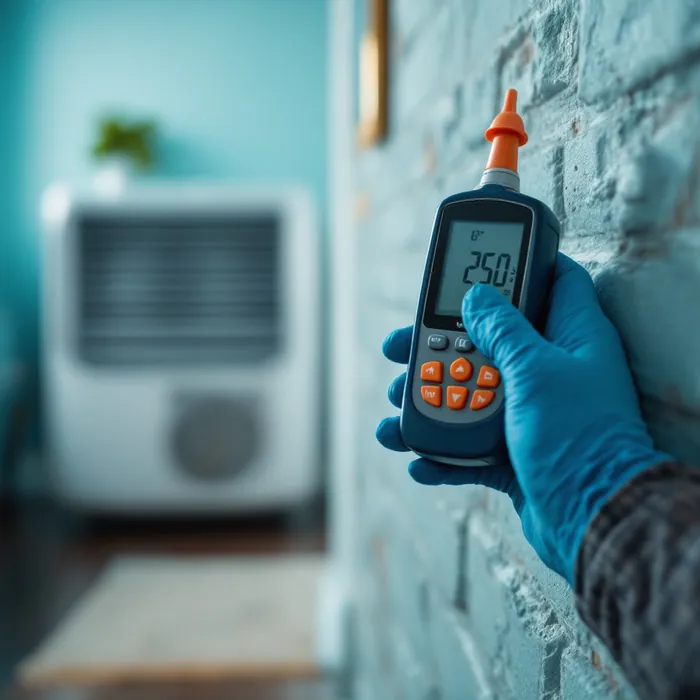
A restoration bill isn't just labor, it's days of professional drying equipment doing what a mop and fan can't. This is the gear that dries a home properly and keeps small losses from becoming big ones.






FAQ
Water damage cost questions, answered
How much does water damage restoration cost on average?
Industry cost guides commonly cite a national range of roughly $1,300 to $5,600, with many single-room jobs near $3,000–$4,000. Your figure depends on the water category, how much area is wet, how long it sat, and what has to be removed and rebuilt. An on-site inspection gives you an exact number for your home.
How much does water damage cost per square foot?
Published guides commonly put restoration at about $3 to $7.50 per square foot. Clean-water (Category 1) jobs sit at the low end; contaminated grey and black water (Category 2 and 3) push toward and past the high end because of extra safety, disposal and rebuilding.
Does homeowners insurance cover water damage restoration?
Most policies cover water damage that is sudden and accidental, a burst pipe or failed appliance, minus your deductible. Damage from gradual leaks, poor maintenance, or natural flooding is usually excluded; flooding needs separate flood insurance. Acting fast and documenting everything protects the claim.
Why is Category 3 (black water) restoration so expensive?
Category 3 water , from sewage, a river or long-standing flooding, is contaminated. Crews must remove and dispose of porous materials it touched, disinfect the structure, use protective equipment, and rebuild more of the space, so it costs far more than a clean-water job of the same size.
Is it cheaper to repair or replace after water damage?
When materials are dried within 24–48 hours, restoration is almost always cheaper than replacement. The longer water sits, the more materials are lost and the more the job shifts from drying to rebuilding, which is why fast response is the biggest cost saver.
How much does it cost to fix a water-damaged ceiling?
A localized water-damaged ceiling repair commonly runs a few hundred dollars to about $1,250, depending on the stain size, whether drywall must be replaced, and whether the leak above has been fixed. Widespread or structural ceiling damage costs more. See our ceiling water damage guide.
Does a bigger deductible mean I should skip a claim?
Sometimes. If the total restoration cost is close to or below your deductible, paying out of pocket may make more sense than filing. An on-site inspection gives you a scope and estimate first, so you can decide before you file.
Sources & Standards
Water categories and drying classes follow the IICRC S500 Standard for Professional Water Damage Restoration. Insurance guidance reflects standard homeowners-policy practice and the flood exclusion covered by the FEMA National Flood Insurance Program; mold thresholds reference the US EPA and CDC mold guidance, and flood-water safety reflects Ready.gov floods. Dollar figures are typical ranges compiled from widely published US restoration cost guides and are shared to set expectations, not as a quote, see our editorial standards for how we research and review.
Keep Reading
Related water damage help
Water mitigation
The fast first steps that stop damage spreading, and keep your cost in the low range.
Mold remediation
What it costs to remove mold when water sat too long, and how insurance treats it.
Ceiling water damage
Causes, repair cost and how to tell a cosmetic stain from a structural problem.
Flood damage restoration
Why flood water is Category 3, and why it needs separate flood insurance.
Sewage cleanup
The most contaminated and costly category, and how it's handled safely.
Storm damage restoration
Multi-room water losses after a storm and how the estimate scales.
The fastest way to lower the cost is to start now
Get a free, no-obligation estimate
A certified crew inspects the damage, explains the scope, and puts a real number in writing, on call 24/7 across the US.
Call (888) 217-7423Why the first call matters
The first-hour match — water damage is priced by the hour it sat, not by the hour you called
Standing water stops being the problem within a day. What it leaves behind — saturated drywall, wet insulation, a subfloor that keeps giving moisture back into the room — is what the invoice is actually made of, and it grows while the house looks calm.
That is not a failure of homeowners who waited. It is how the trade is arranged: you call a company, it comes when its schedule allows, and the clock keeps running in between. Our line is open every day of the year, and the call reaches an independent licensed and insured restoration company that covers your area now rather than tomorrow. We do not do the work ourselves — we are paid for the introduction, which is set out in how we make money.
Two things decide what this costs, and both are settled in the first hours. Moisture readings and photographs taken before anything is torn out are what an adjuster later accepts or disputes, and mold needs only a day or two of damp material to start. Neither waits for an appointment. And if the water came from outside — a river, a storm surge, groundwater — say so on the call. That is flood, a separate policy that a homeowners policy does not cover, and you should hear it from us before anyone arrives rather than after.